



AD
4-Nitro-1H-indole(CAS: 4769-97-5)
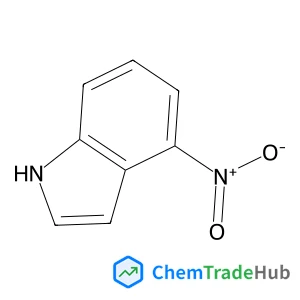
CAS Number
Related Products
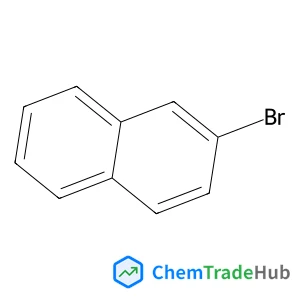
2-Bromonaphthalene
CAS Number: 580-13-2
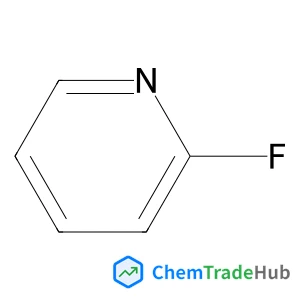
2-Fluoropyridine
CAS Number: 372-48-5
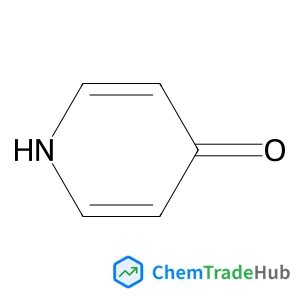
pyridin-4-ol
CAS Number: 626-64-2
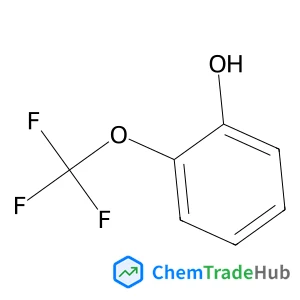
2-(Trifluoromethoxy)phenol
CAS Number: 32858-93-8
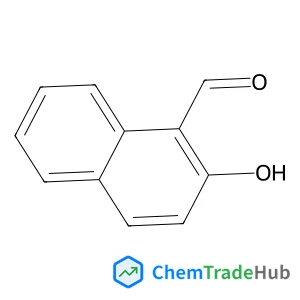
2-Hydroxy-1-naphthaldehyde
CAS Number: 708-06-5
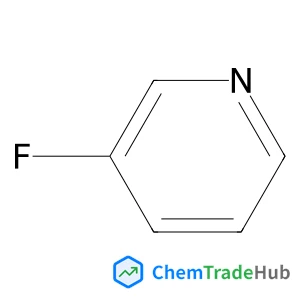
3-Fluoropyridine
CAS Number: 372-47-4
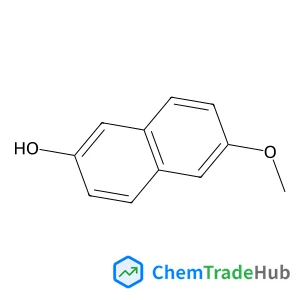
6-Methoxy-2-naphthol
CAS Number: 5111-66-0
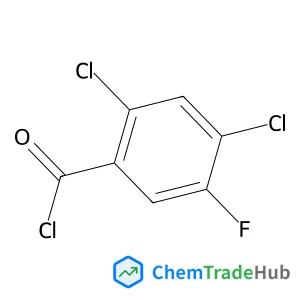
2,4-Dichloro-5-fluorobenzoyl chloride
CAS Number: 86393-34-2
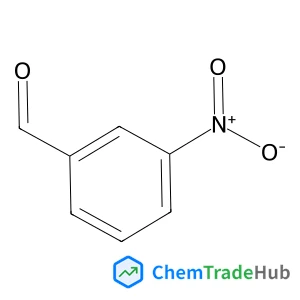
3-Nitrobenzaldehyde
CAS Number: 99-61-6
Other Suppliers for 4-Nitro-1H-indole




Basic Information
Molecular Formula
C8H6N2O2
Molecular Weight
162.15 g/mol
Physical State
Pale-yellow to Yellow-brown Solid
Physical Properties
Melting Point
203.0 to 208.0 deg-C
Boiling Point
362.6°C at 760 mmHg
Flash Point
173.1℃
Chemical Identifiers
SMILES
C1=CC2=C(C=CN2)C(=C1)[N+](=O)[O-]
InChIKey
LAVZKLJDKGRZJG-UHFFFAOYSA-N
Database References
MDL Number
MFCD00010056
Beilstein Registry Number
136022
FAQ
4-Nitro-1H-indole (CAS: 4769-97-5) is a yellow crystalline solid with a molecular weight of 177.08 g/mol. It is slightly soluble in water but soluble in organic solvents like ethanol. It is moderately reactive and can undergo nitration and reduction reactions. The compound is stable under normal conditions but should be stored away from heat and reducing agents.
4-Nitro-1H-indole (CAS: 4769-97-5) is typically synthesized by the nitration of indole. A mixture of indole and sulfuric acid is treated with a nitric acid solution. The process is carried out in a water bath to maintain the temperature and ensure a high yield. The product is then purified by recrystallization.
4-Nitro-1H-indole (CAS: 4769-97-5) is used in the pharmaceutical industry for the synthesis of certain drugs. It also finds applications in the production of dyes and pigments. Additionally, it is used in the development of sensors and as a precursor in the synthesis of semiconductors.
When handling 4-Nitro-1H-indole (CAS: 4769-97-5), it is crucial to wear appropriate personal protective equipment (PPE), including gloves, goggles, and a lab coat. Work should be conducted in a fume hood to minimize inhalation risks. Spills should be cleaned up using appropriate absorbent materials, and the area should be well-ventilated. Always consult the Safety Data Sheet (SDS) for detailed handling instructions.
Safety Notice
Please verify product specifications and safety data before use. Contact the supplier for detailed safety information.
Always follow proper handling procedures
Contact Information
Contact Person
Manager Tian