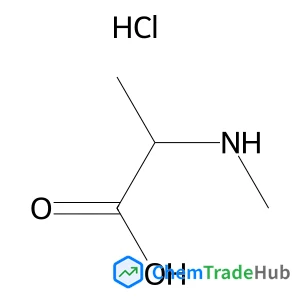
![Benzyl spiro[indole-3,4'-piperidine]-1(2H)-carboxylate hydrochloride (1:1) structure](https://static.chemtradehub.com/structs/159/159635-46-8-8de0.webp "Benzyl spiro[indole-3,4'-piperidine]-1(2H)-carboxylate hydrochloride (1:1) structure")
Benzyl spiro[indole-3,4'-piperidine]-1(2H)-carboxylate hydrochloride (1:1)
CAS Number:
159635-46-8
Molecular Formula:
C20H23ClN2O2
Zhenghua Li, Fulin Wei, Satoru Yoshimura, Guoqing Li, Hidefumi Asano, Hitoshi Saito
The nanoscale magnetic domain structure of the polycrystalline La0.7Sr0.3MnO3 granular thin films was imaged with a developed magnetic force microscopy technique by simultaneously detecting both the perpendicular and in-plane components of magnetic field gradients during the same scan of the tip oscillation. The characteristics of both the perpendicular and in-plane magnetic field gradient at the grain edges or the nonmagnetic grain boundary phase for LSMO films were demonstrated and can be used to evaluate the magnetic domain structure and magnetic isolation between neighboring grains. A two dimensional signal transformation algorithm to reconstruct the in-plane magnetization distribution of the polycrystalline LSMO thin films from the measured raw MFM images with the aid of the deconvolution technique was presented. The comparison between the experimental and simulated MFM images indicates that the magnetic grains or clusters are in the single domain (SD) or multi-domain (MD) state with the magnetic moments parallel or anti-parallel to the effective magnetic field of each grain, possibly due to the need for minimizing the total energy. The quantitative interpretation of the magnetic domain structure indicates that the large magnetoresistance in the studied LSMO films is mainly due to tunnel effect and scattering of conducted electrons at the nonmagnetic grain boundary phase related to the different configurations of magnetic domain states between neighboring grains.
Ruixuan Meng, Yuan Li, Chong Li, Kun Gao, Sun Yin, Luxia Wang
DOI: 10.1039/C7CP02626A
Srashti Gupta, Sanjeev K. Srivastava, Sankarakumar Amrithapandian, Tripurari S. Tripathi, Surya K. Tripathi, Chung-Li Dong, Chi-Liang Chen, Devesh K. Avasthi, Kandasami Asokan
DOI: 10.1039/C7CP03527F
Sarah D. Hann, Daeyeon Lee, Kathleen J. Stebe
DOI: 10.1039/C7CP02809A
Artur Schneider, Torsten Brezesinski
DOI: 10.1039/C6CP08865A
Wenjun Xiang, Shuangliang Zhao, Xianyu Song, Shenwen Fang, Fen Wang, Cheng Zhong, Zhaoyang Luo
DOI: 10.1039/C6CP08654C
Arkamita Bandyopadhyay, Dibyajyoti Ghosh
DOI: 10.1039/C7CP04980C
Lauri Hautala, Kari Jänkälä, Mikko-Heikki Mikkelä, Paavo Turunen, Nønne L. Prisle, Minna Patanen, Maxim Tchaplyguine, Marko Huttula
DOI: 10.1039/C7CP04398H
Christopher Copeland, Omkaran Menon, D. Majumdar, Szczepan Roszak, Jerzy Leszczynski
DOI: 10.1039/C7CP04224H
6-(3-Fluorophenyl)picolinic acid is generally considered safe for laboratory use...
(3R)-3-Pyrrolidinol is used in the pharmaceutical industry as a precursor for dr...
When handling (4R,5R)-4,5-Diethoxycarbonyl-2,2-dimethyldioxolane (CAS: 59779-75-...
1-(6-Chloroimidazo[1,2-b]pyridazin-3-yl)ethanone is often synthesized via a mult...
The market for N-Ethyl-3,4-dimethylbenzylamine (CAS: 39180-83-1) remains steady,...
Tert-butyl 3-(pyrrolidin-1-yl)azetidine-1-carboxylate is a chemical compound wit...
1-Bromo-3-chloro-2,4-dimethoxybenzene (CAS: 1228956-93-1) falls under the classi...
The safety of 8-Bromo-2-methyl-3,4-dihydroisoquinolin-1(2H)-one (CAS: 1368622-07...
Benzyl [(3S)-2,6-dioxo-3-piperidinyl]carbamate is generally safe when handled wi...
1-{[4-(4,4,5,5-Tetramethyl-1,3,2-dioxaborolan-2-yl)phenyl]sulfonyl}pyrrolidine s...

Physical Chemistry Chemical Physics (PCCP) is an international journal co-owned by 19 physical chemistry and physics societies from around the world. This journal publishes original, cutting-edge research in physical chemistry, chemical physics and biophysical chemistry. To be suitable for publication in PCCP, articles must include significant innovation and/or insight into physical chemistry; this is the most important criterion that reviewers and Editors will judge against when evaluating submissions. The journal has a broad scope and welcomes contributions spanning experiment, theory, computation and data science. Topical coverage includes spectroscopy, dynamics, kinetics, statistical mechanics, thermodynamics, electrochemistry, catalysis, surface science, quantum mechanics, quantum computing and machine learning. Interdisciplinary research areas such as polymers and soft matter, materials, nanoscience, energy, surfaces/interfaces, and biophysical chemistry are welcomed if they demonstrate significant innovation and/or insight into physical chemistry. Joined experimental/theoretical studies are particularly appreciated when complementary and based on up-to-date approaches.