



AD
Mesitylacetyl chloride(CAS: 52629-46-6)
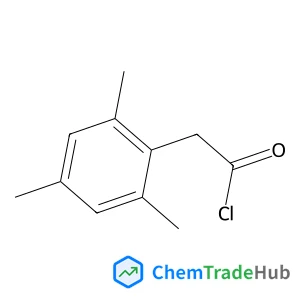
CAS Number
Related Products
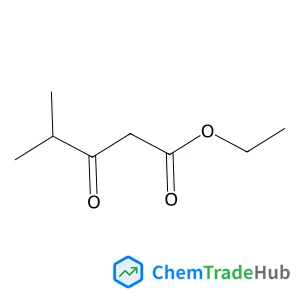
Ethyl 4-methyl-3-oxopentanoate
CAS Number: 7152-15-0
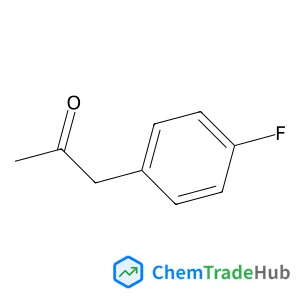
1-(4-Fluorophenyl)acetone
CAS Number: 459-03-0
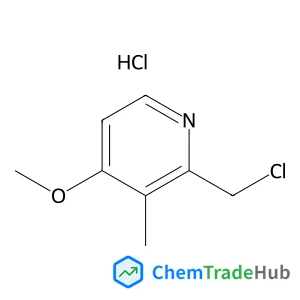
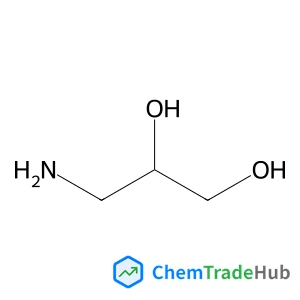
3-Amino-1,2-propanediol
CAS Number: 616-30-8
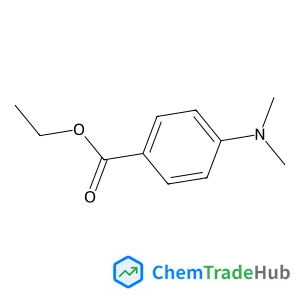
Ethyl 4-(dimethylamino)benzoate
CAS Number: 10287-53-3
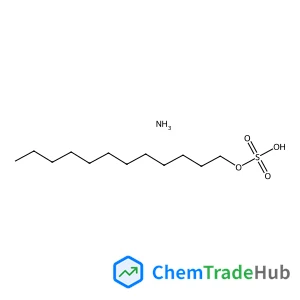
Ammonium dodecyl sulfate
CAS Number: 2235-54-3
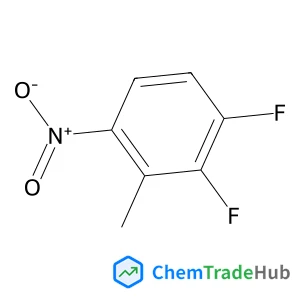
1,2-Difluoro-3-methyl-4-nitrobenzene
CAS Number: 914348-35-9
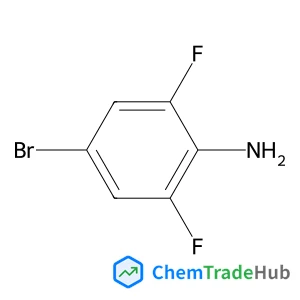
Abemaciclib Impurity 6
CAS Number: 67567-26-4
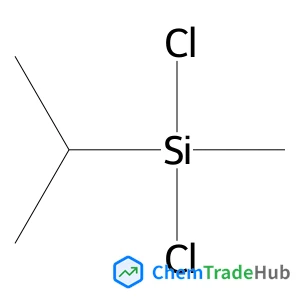
Dichloro(isopropyl)methylsilane
CAS Number: 18236-89-0
Other Suppliers for Mesitylacetyl chloride



Basic Information
Molecular Formula
C11H13ClO
Molecular Weight
196.68 g/mol
Physical Properties
Melting Point
167-168 ºC
Density
1.095
Chemical Identifiers
SMILES
CC1=CC(=C(C(=C1)C)CC(=O)Cl)C
InChIKey
NXCYVLQDRHQRHC-UHFFFAOYSA-N
Database References
MDL Number
MFCD00014368
FAQ
Mesitylacetyl chloride (CAS: 52629-46-6) is a colorless to light yellow liquid with a molecular weight of approximately 224.24 g/mol. It has a boiling point of 128.5°C and a melting point of -19°C. This compound is soluble in organic solvents like ethanol and acetone. It is reactive, particularly in the presence of water, leading to hydrolysis and the formation of mesitylacetic acid.
Mesitylacetyl chloride (CAS: 52629-46-6) is typically synthesized by the reaction of mesitylacetic acid with thionyl chloride. The process involves refluxing the mixture under anhydrous conditions to ensure high selectivity and yield. Catalysts such as aluminum chloride can be used to improve the reaction rate and yield.
Mesitylacetyl chloride (CAS: 52629-46-6) is used in various industries, including pharmaceuticals, where it serves as an intermediate in drug synthesis. It is also used in the polymer industry for the modification of polymers, in the production of sensors, and in semiconductor manufacturing for certain purification processes.
When handling mesitylacetyl chloride (CAS: 52629-46-6), it is important to use personal protective equipment (PPE) such as gloves, goggles, and a lab coat. It should be stored in a cool, dry place away from heat sources. Fume hoods should be used during handling to avoid inhalation. Spills should be cleaned up using appropriate absorbent materials, and the area should be well-ventilated. Always refer to the Safety Data Sheet (SDS) for detailed handling instructions and emergency procedures.
Safety Notice
Please verify product specifications and safety data before use. Contact the supplier for detailed safety information.
Always follow proper handling procedures
Contact Information
Contact Person
Yang Qin
1462312301@qq.com