![1-(1-Benzyl-1,2,3,6-tetrahydropyridin-4-yl)-1H-benzo[d]imidazol-2(3H)-one structure](https://static.chemtradehub.com/structs/603/60373-71-9-7dfb.webp "1-(1-Benzyl-1,2,3,6-tetrahydropyridin-4-yl)-1H-benzo[d]imidazol-2(3H)-one structure")
1-(1-Benzyl-1,2,3,6-tetrahydropyridin-4-yl)-1H-benzo[d]imidazol-2(3H)-one
CAS Number:
60373-71-9
Molecular Formula:
C19H19N3O
Timothy D. Vaden, Tjalling S. J. A. de Boer, Neil A. MacLeod, Elaine M. Marzluff, John P. Simons, Lavina C. Snoek
A novel photochemical technique combined with mass spectrometry and resonant infrared multiphoton dissociation spectroscopy (R-IRMPD) has been used to record infrared vibrational spectra of the free protonated noradrenaline analogue, 2-amino-1-phenylethanol (APE–H+), the amino acid, lysine (Lys–H+), and the dipeptide, alanyl alanine (Ala–Ala–H+) in the gas phase. Coupling their spectra, obtained in the OH, NH and CH stretch regions, with ab initio calculations has allowed assignment of their preferred protonation sites and conformations. This simple technique will have wide applicability in future investigations of protonated biomolecular structure and conformation.

Crystallography Reports

Chemistry Education Research and Practice

Russian Chemical Bulletin

Chemical Communications

Nature Medicine

Russian Journal of Applied Chemistry

Current Opinion in Colloid & Interface Science

Journal of Natural Medicines

Russian Journal of General Chemistry

Journal of Saudi Chemical Society
Jens C. Markwart, Alexander Battig, Tobias Urbaniak, Katharina Haag, Katharina Koschek, Bernhard Schartel, Frederik R. Wurm
DOI: 10.1039/D0PY00275E
Lijie Yin, Huimin Duan, Tao Chen, Dongming Qi, Jianping Deng
DOI: 10.1039/D1PY01067K
Ru Dong, Qi Chen, Xuediao Cai, Qi Zhang, Zhike Liu
DOI: 10.1039/D0PY00680G
Prantik Mondal, Gourhari Jana, Tuhin Subhra Pal, Nikhil K. Singha
DOI: 10.1039/D1PY00910A
Chuandong Dou
DOI: 10.1039/D0PY00868K
Hiroki Nishiyama, Feng Zheng, Shinsuke Inagi, Hiroyuki Fueno, Ikuyoshi Tomita
DOI: 10.1039/D0PY00724B
Bassil M. El-Zaatari, Jacob S. A. Ishibashi, Julia A. Kalow
DOI: 10.1039/D0PY00233J
DOI: 10.1039/D1PY01301G
Shunichiro Ito, Masayuki Gon, Kazuo Tanaka, Yoshiki Chujo
DOI: 10.1039/D1PY01170G
Xiaoyan Yang, Haibao Jin, Xinfeng Tao, Binbin Xu, Shaoliang Lin
DOI: 10.1039/D1PY00984B
N-(4-Methoxybenzyl)-2-pyridinamine (CAS: 52818-63-0) is increasingly being used ...
When handling Ethyl 4-(2-chlorophenyl)-1,3-thiazole-2-carboxylate, appropriate p...
Diethyldiselane (CAS: 628-39-7) is classified under the Globally Harmonized Syst...
The market for oxocopper (CAS: 12053-18-8) is primarily driven by its use in cat...
The market for 5-{[(2-Methyl-2-propanyl)oxy]carbonyl}-5-azaspiro[2.4]heptane-7-c...
2-(1-Pyrrolidinyl)-4-pyridinamine is a chemical compound with the CAS number 359...
2-(3-Pyridinyl)-1-azabicyclo[2.2.2]octane (CAS: 91556-75-1) is a crystalline sol...
(S)-Alpha-allyl-proline hydrochloride is usually synthesized via a Wittig reacti...
3-Methyl-1,2-oxazole-5-carboxylic acid (CAS: 4857-42-5) is an organic compound w...
Lys-SMCC-DM1 is synthesized via a multi-step process involving the coupling of S...

Physical Chemistry Chemical Physics (PCCP) is an international journal co-owned by 19 physical chemistry and physics societies from around the world. This journal publishes original, cutting-edge research in physical chemistry, chemical physics and biophysical chemistry. To be suitable for publication in PCCP, articles must include significant innovation and/or insight into physical chemistry; this is the most important criterion that reviewers and Editors will judge against when evaluating submissions. The journal has a broad scope and welcomes contributions spanning experiment, theory, computation and data science. Topical coverage includes spectroscopy, dynamics, kinetics, statistical mechanics, thermodynamics, electrochemistry, catalysis, surface science, quantum mechanics, quantum computing and machine learning. Interdisciplinary research areas such as polymers and soft matter, materials, nanoscience, energy, surfaces/interfaces, and biophysical chemistry are welcomed if they demonstrate significant innovation and/or insight into physical chemistry. Joined experimental/theoretical studies are particularly appreciated when complementary and based on up-to-date approaches.
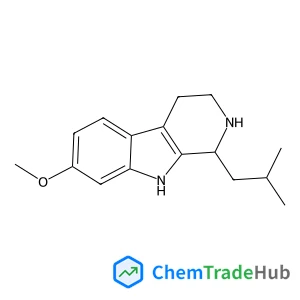
![1,10-bis(3,5-dimethylphenyl)-12-hydroxy-4,5,6,7-tetrahydroiindeno[7,1-de:1',7'-fg][1,3,2]dioxaphosphocine 12-oxide structure](https://static.chemtradehub.com/structs/141/1412439-82-7-b9a9.webp "1,10-bis(3,5-dimethylphenyl)-12-hydroxy-4,5,6,7-tetrahydroiindeno[7,1-de:1',7'-fg][1,3,2]dioxaphosphocine 12-oxide structure")