



AD
methyl methanesulfonate(CAS: 66-27-3)
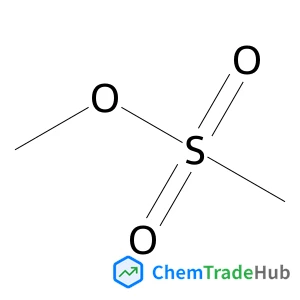
CAS Number
Related Products
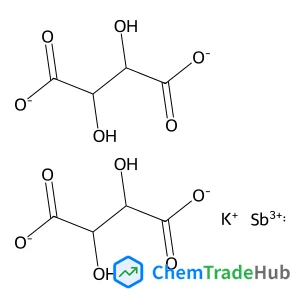
Potassium Antimony Tartrate
CAS Number: 16039-64-8
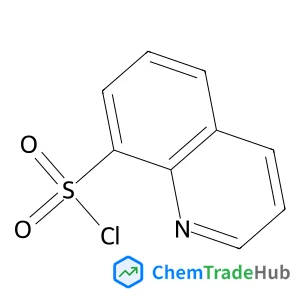
8-Quinolinesulfonyl chloride
CAS Number: 18704-37-5
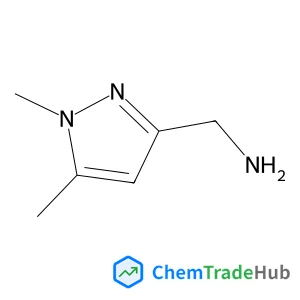
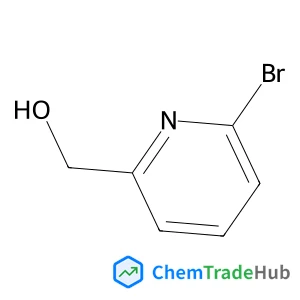
(6-Bromo-2-pyridinyl)methanol
CAS Number: 33674-96-3
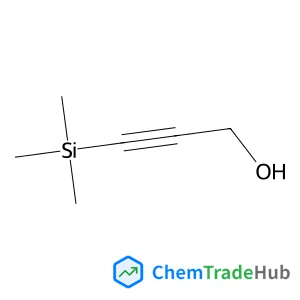
Trimethylsilylpropargyl Alcohol
CAS Number: 5272-36-6
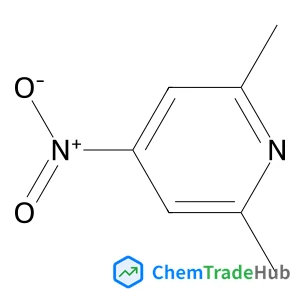
2,6-Dimethyl-4-nitropyridine
CAS Number: 4913-57-9
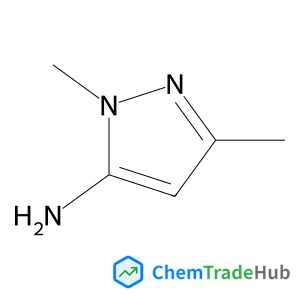
1,3-Dimethyl-1H-pyrazol-5-amine
CAS Number: 3524-32-1
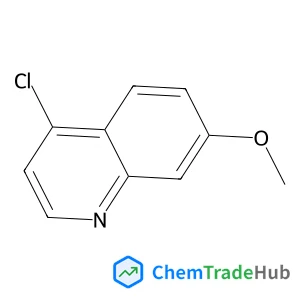
4-Chloro-7-methoxyquinoline
CAS Number: 68500-37-8
Other Suppliers for methyl methanesulfonate




Basic Information
Molecular Formula
C2H6O3S
Molecular Weight
110.13 g/mol
Physical Properties
Melting Point
20°C
Boiling Point
202-203 °C(lit.)
Density
1.3 g/mL at 25 °C(lit.)
Water Solubility
200 g/L (20 ºC)
Chemical Identifiers
SMILES
COS(=O)(=O)C
InChIKey
MBABOKRGFJTBAE-UHFFFAOYSA-N
Database References
MDL Number
MFCD00007557
FAQ
Methyl methanesulfonate (MMs, CAS: 66-27-3) is a colorless to yellow liquid with a slight odor. It has a molecular weight of approximately 120.11 g/mol and a density of about 1.16 g/cm³. It is soluble in water and ethanol. Chemically, it is a strong methylating agent and can react with nucleophilic centers, particularly in DNA. It is primarily used in organic synthesis and mutagenesis studies.
Methyl methanesulfonate (MMs, CAS: 66-27-3) can be synthesized by the reaction of methyl bromide with sodium methanesulfonate. The process involves the substitution of a bromine atom on the methyl group of methyl bromide, yielding MMs. This reaction is typically carried out in the presence of an alkaline catalyst and yields a high purity product.
Methyl methanesulfonate (MMs, CAS: 66-27-3) is primarily used in the pharmaceutical, polymer, and semiconductor industries. It is used as a methylating agent in organic synthesis, as a mutagen in genetic research, and as a crosslinking agent in polymers. Additionally, it is used in the preparation of certain reagents and in the synthesis of other compounds.
When handling methyl methanesulfonate (MMs, CAS: 66-27-3), it is crucial to use appropriate personal protective equipment (PPE) such as gloves, goggles, and a lab coat. Work should be conducted in a well-ventilated area or fume hood to avoid inhalation. Spills should be cleaned up immediately using appropriate absorbents. Safety data sheets (SDS) should be consulted for detailed information on handling, storage, and emergency procedures.
Safety Notice
Please verify product specifications and safety data before use. Contact the supplier for detailed safety information.
Always follow proper handling procedures

Contact Information
Contact Person
Zha Wanying
sales@habotech.com
Mobile
13376090521
Telephone
025-85760892
Visit Website
https://www.habotech.comAddress
Xigoxi District