



AD
3-Quinolinylboronic acid(CAS: 191162-39-7)
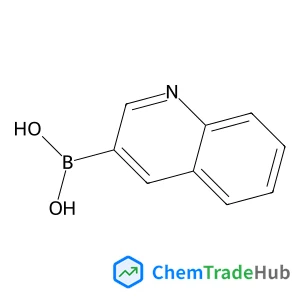
CAS Number
Related Products
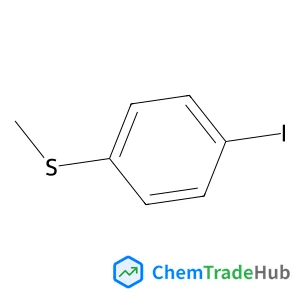
1-Iodo-4-(methylsulfanyl)benzene
CAS Number: 35371-03-0
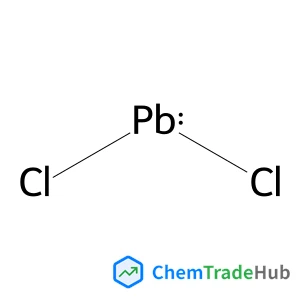
Dichloro-lambda~2~-plumbane
CAS Number: 7758-95-4
PUMICE STONE
CAS Number: 1332-09-8
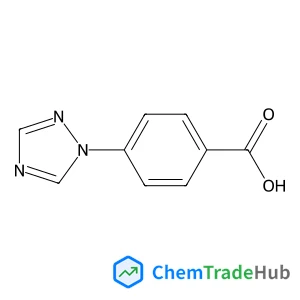
4-(1H-1,2,4-Triazol-1-yl)benzoic acid
CAS Number: 162848-16-0
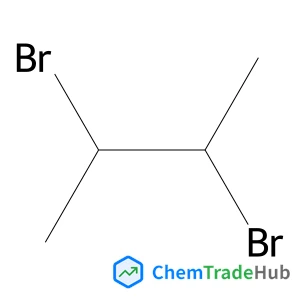
2,3-Dibromobutane
CAS Number: 5408-86-6
SOYBEAN MEAL
CAS Number: 68308-36-1
![2-Chloro-N-[2-(2,6-dioxo-3-piperidinyl)-1,3-dioxo-2,3-dihydro-1H-isoindol-4-yl]acetamide](https://static.chemtradehub.com/structs/444/444287-84-7-fa4b.webp)
Other Suppliers for 3-Quinolinylboronic acid



Basic Information
Molecular Formula
C9H8BNO2
Molecular Weight
172.98 g/mol
Physical Properties
Melting Point
191-196 °C
Boiling Point
400.3°C at 760 mmHg
Flash Point
195.9℃
Chemical Identifiers
SMILES
B(C1=CC2=CC=CC=C2N=C1)(O)O
InChIKey
YGDICLRMNDWZAK-UHFFFAOYSA-N
Database References
MDL Number
MFCD02183527
Beilstein Registry Number
8764547
FAQ
3-Quinolinylboronic acid is a white crystalline solid with a molecular weight of approximately 267.3 g/mol. It is moderately soluble in water and ethanol. The compound exhibits good reactivity in boronate ester formation and undergoes electrophilic aromatic substitution reactions. It is commonly used in organic synthesis and as a chelating agent.
3-Quinolinylboronic acid is typically synthesized via the reaction of 3-quinolineboronic acid and bromine in the presence of a base such as potassium hydroxide. The reaction conditions are optimized for high yield and selectivity, often employing microwave-assisted techniques to enhance reaction rates and conversion.
3-Quinolinylboronic acid is used in the pharmaceutical industry for the synthesis of complex molecules and compounds with bioactive properties. It is also utilized in the polymer industry for the modification of polymers and in the semiconductor industry for its use in electronic device manufacturing. Additionally, it finds applications in the development of sensors and as a chelating agent in analytical chemistry.
When handling 3-Quinolinylboronic acid, it is important to wear appropriate personal protective equipment (PPE) such as gloves, goggles, and a lab coat. Ensure that the work is conducted in a well-ventilated area or under a fume hood to minimize inhalation risks. Spills should be cleaned up immediately using appropriate absorbent materials. Always consult the Safety Data Sheet (SDS) for detailed handling and disposal instructions.
Safety Notice
Please verify product specifications and safety data before use. Contact the supplier for detailed safety information.
Always follow proper handling procedures
Contact Information
Contact Person
Ludu
order@canspecsci.com