



AD
(1,3-Dioxo-1,3-dihydro-2H-isoindol-2-yl)acetic acid(CAS: 4702-13-0)
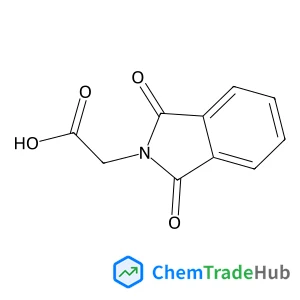
CAS Number
Related Products
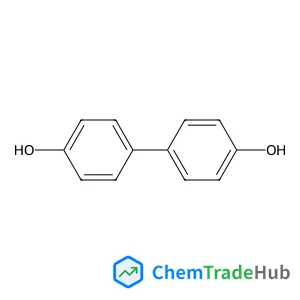
4,4'-Biphenyldiol
CAS Number: 92-88-6
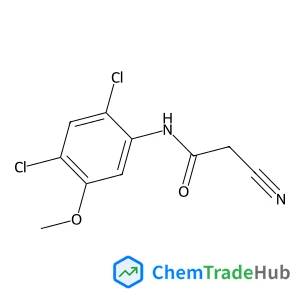
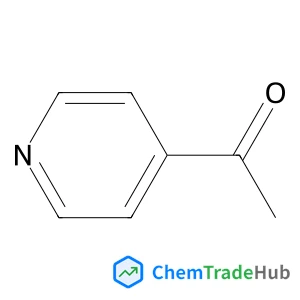
1-(4-Pyridinyl)ethanone
CAS Number: 1122-54-9
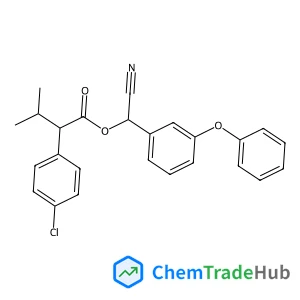
Iodophor
CAS Number: 39392-86-4
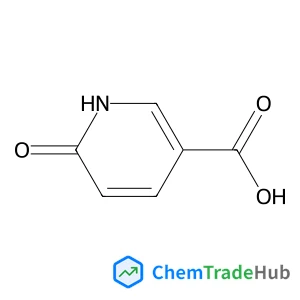
6-Hydroxynicotinic acid
CAS Number: 5006-66-6
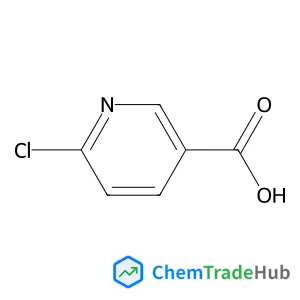
6-Chloronicotinic acid
CAS Number: 5326-23-8
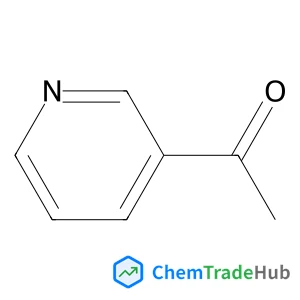
1-(3-Pyridinyl)ethanone
CAS Number: 350-03-8
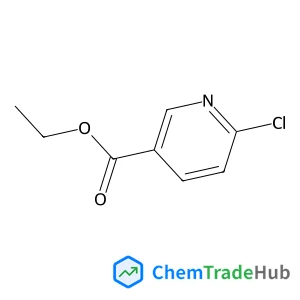
Ethyl 6-chloronicotinate
CAS Number: 49608-01-7
Other Suppliers for (1,3-Dioxo-1,3-dihydro-2H-isoindol-2-yl)acetic acid






Basic Information
Molecular Formula
C10H7NO4
Molecular Weight
205.17 g/mol
Physical Properties
Melting Point
194.0 to 198.0 deg-C
Boiling Point
412.6°C at 760 mmHg
Flash Point
203.3℃
Chemical Identifiers
SMILES
OC(=O)CN1C(=O)c2ccccc2C1=O
InChIKey
WQINSVOOIJDOLJ-UHFFFAOYSA-N
Database References
MDL Number
MFCD00005900
Beilstein Registry Number
0184174
FAQ
(1,3-Dioxo-1,3-dihydro-2H-isoindol-2-yl)acetic acid is a crystalline solid with a molecular weight of approximately 236.25 g/mol. It has a melting point of around 165-168°C and is slightly soluble in water. The compound is reactive under certain conditions, particularly in the presence of strong acids or bases. It displays good stability in air and is not particularly volatile.
(1,3-Dioxo-1,3-dihydro-2H-isoindol-2-yl)acetic acid is often synthesized via the condensation of 1,3-dioxo-1,3-dihydro-2H-isoindole-2-carboxaldehyde with acetic anhydride. The reaction is typically conducted in the presence of a catalyst to ensure high selectivity and yield. Commonly used solvents include dichloromethane or acetonitrile.
(1,3-Dioxo-1,3-dihydro-2H-isoindol-2-yl)acetic acid finds applications in pharmaceuticals, where it serves as a precursor in the synthesis of certain drugs. It is also used in the development of sensors for detecting specific compounds and in the production of certain polymers. Due to its unique chemical properties, it is explored in semiconductor applications for its potential role in material science.
When handling (1,3-Dioxo-1,3-dihydro-2H-isoindol-2-yl)acetic acid, it is essential to wear appropriate personal protective equipment (PPE) such as gloves, goggles, and a lab coat. The compound should be stored in a well-ventilated area and handled in a fume hood to minimize exposure. Spills should be cleaned up using appropriate safety protocols, and the site should be decontaminated. Always refer to the safety data sheet (SDS) for detailed information on handling and storage.
Safety Notice
Please verify product specifications and safety data before use. Contact the supplier for detailed safety information.
Always follow proper handling procedures
Contact Information
Contact Person
Tang Yuanjun