



AD
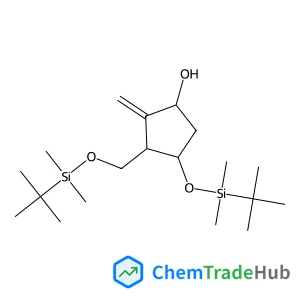
(1R,3R,4S)-4-((tert-Butyldimethylsilyl)oxy)-3-(((tert-butyldimethylsilyl)-oxy)methyl)-2-methylenecyclopentanol(CAS: 701278-56-0)
CAS Number
Related Products
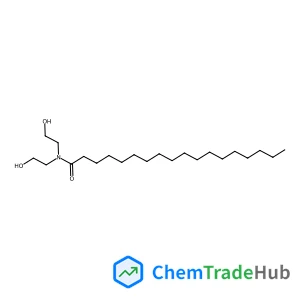
N,N-Bis(2-hydroxyethyl)stearamide
CAS Number: 93-82-3
![5-Heptenoic acid,7-[3,5-dihydroxy-2-[3-hydroxy-4-(3-thienyloxy)-1-butenyl]cyclopentyl]-](https://static.chemtradehub.com/structs/711/71116-82-0-6726.webp)
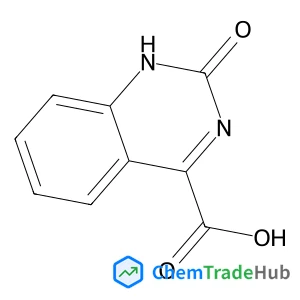
![2,7-Dimethylimidazo[1,2-a]pyridine-3-carbaldehyde](https://static.chemtradehub.com/structs/820/820245-84-9-5249.webp)
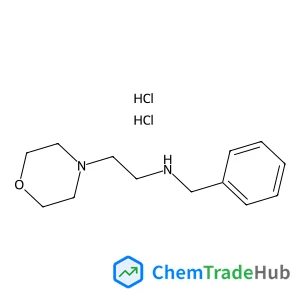
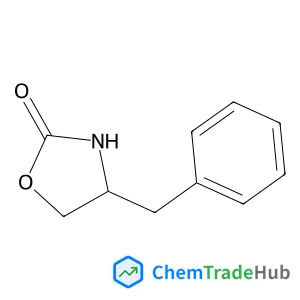
(S)-4-Benzyl-2-oxazolidinone
CAS Number: 90719-32-7
![Methyl 7-{(1R,2R,3R)-3-hydroxy-2-[(1E,3S,5S)-3-hydroxy-5-methyl-1-nonen-1-yl]-5-oxocyclopentyl}-6-oxoheptanoate (non-preferred name)](https://static.chemtradehub.com/structs/706/70667-26-4-5889.webp)
![({(1R,2R,3aS,9aS)-2-Hydroxy-1-[(3S)-3-hydroxyoctyl]-2,3,3a,4,9,9a-hexahydro-1H-cyclopenta[b]naphthalen-5-yl}oxy)acetic acid - 2,2'-iminodiethanol (1:1)](https://static.chemtradehub.com/structs/830/830354-48-8-968c.webp)
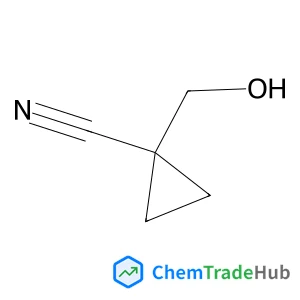
Other Suppliers for (1R,3R,4S)-4-((tert-Butyldimethylsilyl)oxy)-3-(((tert-butyldimethylsilyl)-oxy)methyl)-2-methylenecyclopentanol




Basic Information
Molecular Formula
C19H40O3Si2
Molecular Weight
372.7 g/mol
Chemical Identifiers
SMILES
CC(C)(C)[Si](C)(C)OCC1C(CC(C1=C)O)O[Si](C)(C)C(C)(C)C
InChIKey
ITBIDWSGCHAPLY-BBWFWOEESA-N
Database References
MDL Number
MFCD23135403
FAQ
The compound is a cyclic alcohol with a high molecular weight, around 482.5 g/mol. Its solubility is low in water but increases in organic solvents like methanol and ethanol. It is known for its reactivity with nucleophiles and its stability under acidic and basic conditions. The compound forms a crystalline solid at room temperature, with a melting point of approximately 120-130°C. It is not flammable but should be handled under a fume hood to prevent inhalation or skin contact.
The compound is synthesized through a multi-step process involving silylation and methylenation reactions. A common method involves the use of tert-butyldimethylsilyl chloride and tert-butyldimethylsilyl triflate as the silylating agents. The reaction is typically performed under anhydrous conditions to prevent side reactions. The yield is usually around 70-80%, with good selectivity towards the desired stereochemistry.
This compound is primarily used in the pharmaceutical and polymer industries due to its unique chemical structure. It serves as a valuable intermediate in the synthesis of complex organic molecules and polymers with specific functionalities. Additionally, it can be utilized in the development of sensors and semiconductors for its reactivity and stability.
When handling this compound, it is essential to use personal protective equipment (PPE) such as gloves, goggles, and a lab coat. The compound should be handled under a fume hood to prevent inhalation and to minimize the risk of skin contact. Spills should be cleaned up immediately using appropriate spill kits, and disposal should follow local regulations. Always refer to the safety data sheet (SDS) for detailed handling and disposal instructions.
Safety Notice
Please verify product specifications and safety data before use. Contact the supplier for detailed safety information.
Always follow proper handling procedures
Contact Information
account@cdsocmed.com