



AD
N,N'-Diphenylimidoformamide(CAS: 622-15-1)
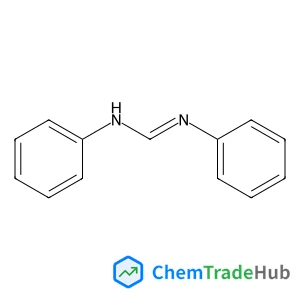
CAS Number
Related Products
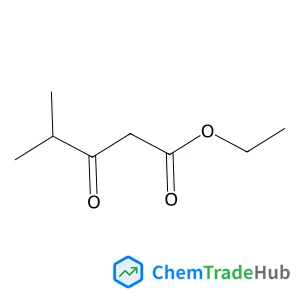
Ethyl 4-methyl-3-oxopentanoate
CAS Number: 7152-15-0
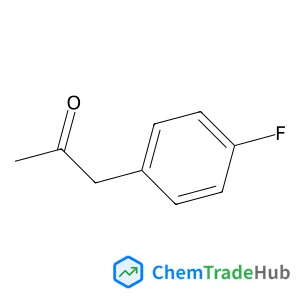
1-(4-Fluorophenyl)acetone
CAS Number: 459-03-0
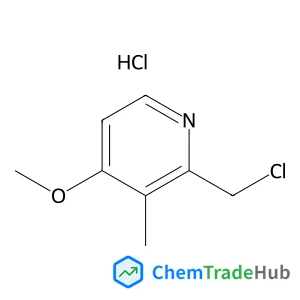
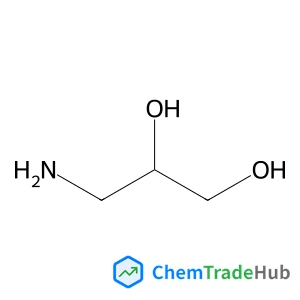
3-Amino-1,2-propanediol
CAS Number: 616-30-8
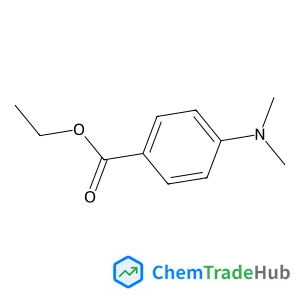
Ethyl 4-(dimethylamino)benzoate
CAS Number: 10287-53-3
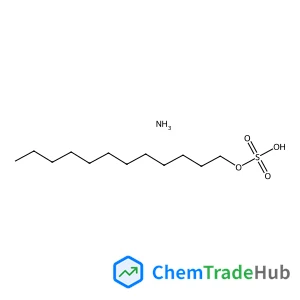
Ammonium dodecyl sulfate
CAS Number: 2235-54-3

1,2-Difluoro-3-methyl-4-nitrobenzene
CAS Number: 914348-35-9

Abemaciclib Impurity 6
CAS Number: 67567-26-4

Dichloro(isopropyl)methylsilane
CAS Number: 18236-89-0
Other Suppliers for N,N'-Diphenylimidoformamide









Basic Information
Molecular Formula
C13H12N2
Molecular Weight
196.25 g/mol
EINECS
210-720-9
Physical Properties
Melting Point
136-139 °C (lit.)
Boiling Point
323.14°C (rough estimate)
Density
1.1265 (rough estimate)
Flash Point
148.1 °C
Chemical Identifiers
SMILES
C1=CC=C(C=C1)NC=NC2=CC=CC=C2
InChIKey
ZQUVDXMUKIVNOW-UHFFFAOYSA-N
Database References
MDL Number
MFCD00003026
Beilstein Registry Number
511953
FAQ
N,N'-Diphenylimidoformamide (CAS: 622-15-1) is a crystalline compound with a molecular weight of approximately 239.21 g/mol. It has a high solubility in organic solvents such as acetone and chloroform but is poorly soluble in water. The compound is highly reactive, particularly towards nucleophiles, making it useful in organic synthesis. It is a white or light yellow crystalline solid, with a melting point around 130°C to 132°C. It decomposes on heating above 300°C.
N,N'-Diphenylimidoformamide is typically synthesized by the reaction of phthalimide with anhydrous ammonia followed by formylation using a formamide-formamide mixed solvent. This process involves a multi-step transformation where the phthalimide reacts with ammonia to form phthalimide amidinium chloride, which then undergoes formylation to produce the final product. The yield is around 70-80%, and the method is selective and efficient.
N,N'-Diphenylimidoformamide (CAS: 622-15-1) is primarily used in the pharmaceutical industry for the synthesis of various medicinal compounds. It is also utilized in the production of polymers, particularly in the preparation of certain polyurethanes. Additionally, it has applications in the development of sensors and in the synthesis of semiconductors due to its unique chemical properties.
When handling N,N'-Diphenylimidoformamide (CAS: 622-15-1), it is essential to wear appropriate personal protective equipment (PPE) such as gloves, safety glasses, and a lab coat to prevent skin and eye contact. The compound should be handled in a well-ventilated fume hood to minimize inhalation risks. In case of a spill, it should be immediately cleaned up using appropriate absorbents, and the area should be flushed with water. Always refer to the Safety Data Sheet (SDS) for specific handling instructions and emergency procedures.
Safety Notice
Please verify product specifications and safety data before use. Contact the supplier for detailed safety information.
Always follow proper handling procedures
Contact Information
Contact Person
Yang Qin
1462312301@qq.com