



AD
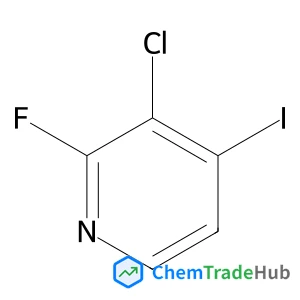
3-Chloro-2-fluoro-4-iodopyridine(CAS: 796851-05-3)
CAS Number
Related Products
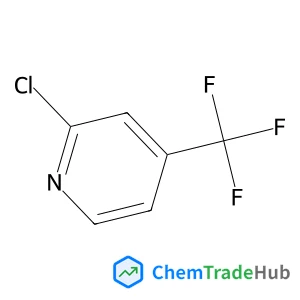
2-Chloro-4-(trifluoromethyl)pyridine
CAS Number: 81565-18-6

(4-Hydroxyphenyl)boronic acid
CAS Number: 71597-85-8
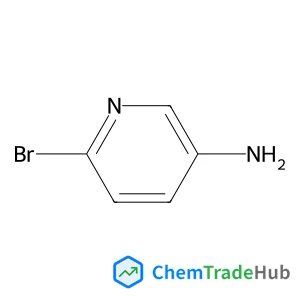
6-Bromo-3-pyridinamine
CAS Number: 13534-97-9

2-Hydroxynicotinic acid
CAS Number: 609-71-2
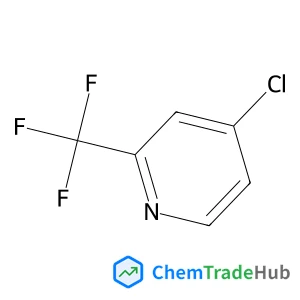
4-Chloro-2-(trifluoromethyl)pyridine
CAS Number: 131748-14-6
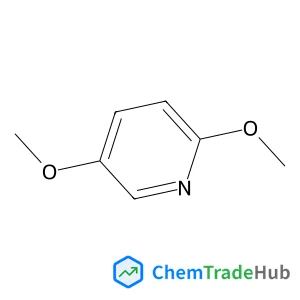
2,5-Dimethoxypyridine
CAS Number: 867267-24-1

5-Bromo-2-fluoro-1,3-dimethylbenzene
CAS Number: 99725-44-7
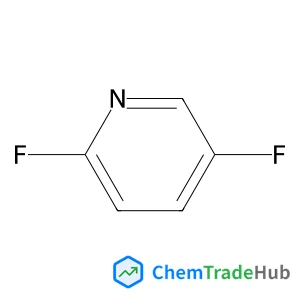
2,5-Difluoropyridine
CAS Number: 84476-99-3
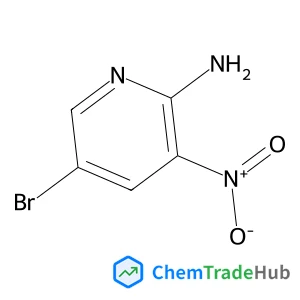
5-bromo-3-nitro-pyridin-2-amine
CAS Number: 6945-68-2
Other Suppliers for 3-Chloro-2-fluoro-4-iodopyridine




Basic Information
Molecular Formula
C5H2ClFIN
Molecular Weight
257.43 g/mol
Physical Properties
Boiling Point
254.8±35.0℃/760mmHg
Chemical Identifiers
SMILES
c1cnc(c(c1I)Cl)F
InChIKey
NPDICENVXROWJV-UHFFFAOYSA-N
Database References
MDL Number
MFCD16610366
FAQ
3-Chloro-2-fluoro-4-iodopyridine is a crystalline solid with a molecular weight of approximately 319.91 g/mol. It has low water solubility and is moderately soluble in common organic solvents like DMF and DMSO. This compound shows reactivity typical of aromatic compounds, including electrophilic aromatic substitution reactions. It is stable under normal storage conditions but should be protected from moisture and heat.
3-Chloro-2-fluoro-4-iodopyridine is typically synthesized via the Friedel-Crafts alkylation of 2-fluoro-4-chloropyridine with iodine in the presence of aluminum chloride as a catalyst. The reaction proceeds through electrophilic aromatic substitution, yielding the desired product with good selectivity and yield.
3-Chloro-2-fluoro-4-iodopyridine is used in various industries, particularly in pharmaceuticals for the development of certain antiviral compounds. It also has potential applications in the synthesis of sensors and semiconductors due to its unique electronic properties.
When handling 3-Chloro-2-fluoro-4-iodopyridine, it is essential to use appropriate personal protective equipment (PPE) such as gloves, goggles, and a lab coat. The compound should be handled in a well-ventilated area or a fume hood to avoid inhalation of fumes. Spills should be cleaned up using appropriate absorbent materials, and the area should be decontaminated. Always refer to the Material Safety Data Sheet (MSDS) for detailed safety information.
Safety Notice
Please verify product specifications and safety data before use. Contact the supplier for detailed safety information.
Always follow proper handling procedures
Contact Information
Contact Person
Manager Dong
47652055@qq.com