



AD
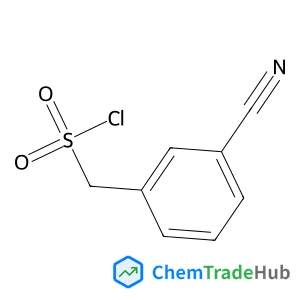
(3-Cyanophenyl)methanesulfonyl chloride(CAS: 56106-01-5)
CAS Number
Related Products
![Diammonium (2Z,2'Z)-2,2'-[(1Z,2Z)-1,2-hydrazinediylidene]bis(3-ethyl-2,3-dihydro-1,3-benzothiazole-6-sulfonate)](https://static.chemtradehub.com/structs/309/30931-67-0-66af.webp)
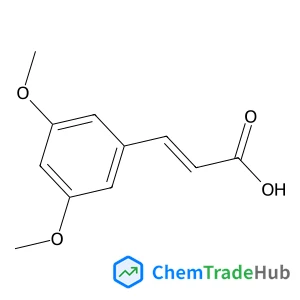
3-(3,5-Dimethoxyphenyl)acrylic acid
CAS Number: 16909-11-8
![[2-(Trifluoromethyl)-4-quinolinyl]methanol](https://static.chemtradehub.com/structs/362/362469-45-2-fd23.webp)
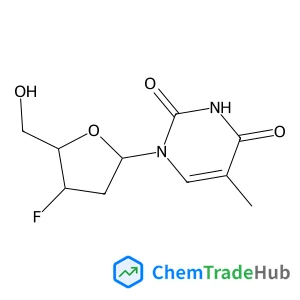
3'-Deoxy-3'-fluorothymidine
CAS Number: 25526-93-6
![Sodium 2-[bis(2-hydroxyethyl)amino]ethanesulfonate](https://static.chemtradehub.com/structs/669/66992-27-6-0c96.webp)
![3,3'-(3,3'-Dimethoxy-4,4'-biphenyldiyl)bis[2,5-bis(4-nitrophenyl)-2H-tetrazol-3-ium] dichloride](https://static.chemtradehub.com/structs/118/1184-43-6-1428.webp)
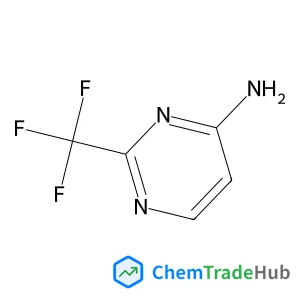
2-(trifluoromethyl)pyrimidin-4-amine
CAS Number: 672-42-4
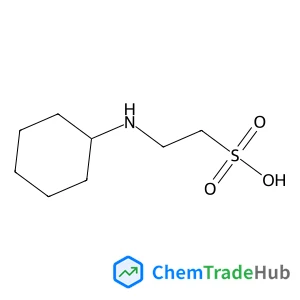
2-(Cyclohexylamino)ethanesulfonic acid
CAS Number: 103-47-9
Other Suppliers for (3-Cyanophenyl)methanesulfonyl chloride






Basic Information
Molecular Formula
C8H6ClNO2S
Molecular Weight
215.66 g/mol
Physical Properties
Melting Point
100 °C
Boiling Point
364.54 °C at 760 mmHg
Density
1.459
Flash Point
174.268 °C
Chemical Identifiers
SMILES
C1=CC(=CC(=C1)C#N)CS(=O)(=O)Cl
InChIKey
YNWYDZBBHOWDAE-UHFFFAOYSA-N
Database References
MDL Number
MFCD09046692
FAQ
(3-Cyanophenyl)methanesulfonyl chloride is a white to off-white crystalline solid with a molecular weight of approximately 248.18 g/mol. It has a low solubility in water but is more soluble in organic solvents like dichloromethane and acetone. Chemically, it is highly reactive, particularly due to the presence of the electrophilic sulfonyl chloride group, which readily undergoes nucleophilic substitution reactions.
(3-Cyanophenyl)methanesulfonyl chloride is usually synthesized by the reaction of 3-cyanophenylmethanesulfonic acid with thionyl chloride. The reaction is typically carried out under anhydrous conditions and requires the use of a drying agent to minimize the presence of water, which can inhibit the reaction. The yield is generally high, and the product is isolated by recrystallization.
(3-Cyanophenyl)methanesulfonyl chloride is used in various industries, particularly in pharmaceuticals and organic synthesis. It serves as a key intermediate in the synthesis of various bioactive compounds and drugs. Additionally, it is used in the preparation of certain polymers and in the development of sensors and semiconductors due to its reactivity and functional groups.
Proper handling of (3-Cyanophenyl)methanesulfonyl chloride requires the use of personal protective equipment (PPE) such as gloves, goggles, and a lab coat. Work should be conducted in a well-ventilated fume hood to minimize exposure to the volatile and potentially toxic fumes. Spills should be carefully cleaned up following standard laboratory procedures, and the material safety data sheet (MSDS) should be consulted for detailed information on safe handling and disposal.
Safety Notice
Please verify product specifications and safety data before use. Contact the supplier for detailed safety information.
Always follow proper handling procedures
Contact Information
sales@changyanchem.com