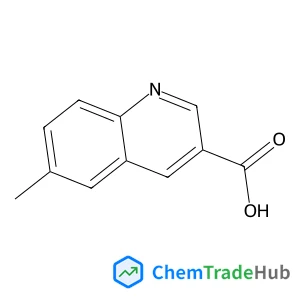
![(1R,6R)-6-({[(2-Methyl-2-propanyl)oxy]carbonyl}amino)-3-cyclohexene-1-carboxylic acid structure](https://static.chemtradehub.com/structs/865/865689-24-3-5fef.webp "(1R,6R)-6-({[(2-Methyl-2-propanyl)oxy]carbonyl}amino)-3-cyclohexene-1-carboxylic acid structure")
(1R,6R)-6-({[(2-Methyl-2-propanyl)oxy]carbonyl}amino)-3-cyclohexene-1-carboxylic acid
CAS Number:
865689-24-3
Molecular Formula:
C12H19NO4
It is shown that the antiprotozoal drugs berenil and pentamidine, conventional minor groove binders of DNA, form non-covalent complexes with polyanionic glycosaminoglycans. Induced circular dichroism (CD) spectra as well as UV hypochromism confirmed drug binding to the asymmetric template of heparin and chondroitin 6-sulfate. The biphasic nature of the CD signals refers to intermolecular chiral exciton coupling between the dicationic guest molecules forming a right- or a left-handed helical array along the GAG chains. Quantitative evaluation of the spectroscopic data measured in pH 7.0 buffer solution (80 mM NaCl) indicated a higher (Ka ∼ 106 M−1 for berenil) and a lower (Ka ∼ 105 M−1 for pentamidine) affinity heparin binding of these agents, similar to that reported for DNA. Drug–chondroitin sulfate complexes (Ka ∼ 104–105 M−1) could be detected only at low ionic strength. These results imply that besides nucleic acids, GAGs may be another pharmacological targets for diarylamidine drugs.

Russian Journal of Coordination Chemistry

Current Opinion in Solid State & Materials Science

Acta Materialia

Nature Medicine

Chemistry Education Research and Practice

Journal of Peptide Science

Russian Chemical Bulletin

Russian Journal of Applied Chemistry

Russian Journal of Bioorganic Chemistry

Organic Process Research & Development
Adriana Alieva, Cinzia Casiraghi
DOI: 10.1039/D0CP00592D
Yuan Zhang, Yi Zhang, Quan Guo, Dongwen Zhang, Shuaizhi Zheng, Ming Feng, Xiangli Zhong, Congbing Tan, Zhihui Lu, Jinbin Wang, Pengfei Hou, Yichun Zhou, Jianmin Yuan
DOI: 10.1039/C9CP04194J
Martin A. Schroer, Verena Markmann, Johannes Möller
DOI: 10.1039/C9CP04658E
DOI: 10.1039/C9CP04364K
DOI: 10.1039/C9CP02450F
Yunxiang Lu, Wenxia Li, Weiwei Yang, Zhengdan Zhu, Zhijian Xu, Honglai Liu
DOI: 10.1039/C9CP04562G
Chaocang Weng, Lei Gao, Guotao Duan
DOI: 10.1039/C9CP05930J
Marta G. González, Luis Rubio-Lago
DOI: 10.1039/C9CP04758A
Lisa Warczinski, Christof Hättig
DOI: 10.1039/C9CP04606B
6-(3-Fluorophenyl)picolinic acid is generally considered safe for laboratory use...
(3R)-3-Pyrrolidinol is used in the pharmaceutical industry as a precursor for dr...
When handling (4R,5R)-4,5-Diethoxycarbonyl-2,2-dimethyldioxolane (CAS: 59779-75-...
1-(6-Chloroimidazo[1,2-b]pyridazin-3-yl)ethanone is often synthesized via a mult...
The market for N-Ethyl-3,4-dimethylbenzylamine (CAS: 39180-83-1) remains steady,...
Tert-butyl 3-(pyrrolidin-1-yl)azetidine-1-carboxylate is a chemical compound wit...
1-Bromo-3-chloro-2,4-dimethoxybenzene (CAS: 1228956-93-1) falls under the classi...
The safety of 8-Bromo-2-methyl-3,4-dihydroisoquinolin-1(2H)-one (CAS: 1368622-07...
Benzyl [(3S)-2,6-dioxo-3-piperidinyl]carbamate is generally safe when handled wi...
1-{[4-(4,4,5,5-Tetramethyl-1,3,2-dioxaborolan-2-yl)phenyl]sulfonyl}pyrrolidine s...

Physical Chemistry Chemical Physics (PCCP) is an international journal co-owned by 19 physical chemistry and physics societies from around the world. This journal publishes original, cutting-edge research in physical chemistry, chemical physics and biophysical chemistry. To be suitable for publication in PCCP, articles must include significant innovation and/or insight into physical chemistry; this is the most important criterion that reviewers and Editors will judge against when evaluating submissions. The journal has a broad scope and welcomes contributions spanning experiment, theory, computation and data science. Topical coverage includes spectroscopy, dynamics, kinetics, statistical mechanics, thermodynamics, electrochemistry, catalysis, surface science, quantum mechanics, quantum computing and machine learning. Interdisciplinary research areas such as polymers and soft matter, materials, nanoscience, energy, surfaces/interfaces, and biophysical chemistry are welcomed if they demonstrate significant innovation and/or insight into physical chemistry. Joined experimental/theoretical studies are particularly appreciated when complementary and based on up-to-date approaches.
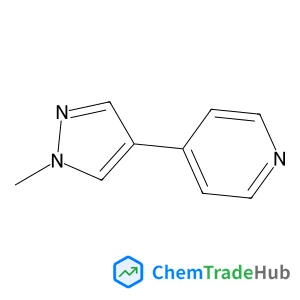
![1H-Imidazo[4,5-c]pyridine-7-carboxylic acid structure](https://static.chemtradehub.com/structs/123/1234616-39-7-1344.webp "1H-Imidazo[4,5-c]pyridine-7-carboxylic acid structure")