![2-[1-(4-Chlorobenzyl)-1H-indol-3-yl]-2-oxo-N-(6-quinolinyl)acetamide structure](https://static.chemtradehub.com/structs/501/501921-61-5-756a.webp "2-[1-(4-Chlorobenzyl)-1H-indol-3-yl]-2-oxo-N-(6-quinolinyl)acetamide structure")
2-[1-(4-Chlorobenzyl)-1H-indol-3-yl]-2-oxo-N-(6-quinolinyl)acetamide
CAS Number:
501921-61-5
Molecular Formula:
C26H18ClN3O2
Vytautas Balevičius, Jr., Arpa Galestian Pour, Janne Savolainen, Craig N. Lincoln, Vladimír Lukeš, Eberhard Riedle, Darius Abramavicius, Jürgen Hauer
Energy relaxation between two electronic states of a molecule is mediated by a set of relevant vibrational states. We describe this fundamental process in a fully quantum mechanical framework based on first principles. This approach explains population transfer rates as well as describes the entire transient absorption signal as vibronic transitions between electronic states. By applying this vibronic energy relaxation approach to carotenoids, we show that β-carotene's transient absorption signal can be understood without invoking the intensely debated S* electronic state. For a carotenoid with longer chain length, we find that vibronic energy relaxation does not suffice to explain all features in the transient absorption spectra, which we relate to an increased ground state structural inhomogeneity. Our modeling approach is generally applicable to photophysical deactivation processes in molecules. As such, it represents a well-founded alternative to data fitting techniques such as global target analysis.
Mariolino Carta, Richard Malpass-Evans, Matthew Croad, Yulia Rogan, Michael Lee, Ian Rose, Neil B. McKeown
DOI: 10.1039/C4PY00609G
Qun Luo, Junkai Wang, Yi Lin, Changquan Tang, Junyan Dou, Hongwei Tan, Qingdong Zheng, Chang-Qi Ma, Zheng Cui
DOI: 10.1039/C6PY02161A
Yilin Zhang, Liguo Xu, Rongrong Hu, Kam Sing Wong, William A. Goddard, III
DOI: 10.1039/C7PY00154A
Ran Yu, Klaus Tauer
DOI: 10.1039/C4PY00458B
Hongjun Yang, Zhongrui Wang, Yulei Zheng, Wenyan Huang, Xiaoqiang Xue, Bibiao Jiang
DOI: 10.1039/C7PY00174F
Manuela Bader, Gabriel Theurkauff, Katty Den Dauw, Christian Lamotte, Olivier Lhost, Evgueni Kirillov, Jean-François Carpentier
DOI: 10.1039/C4PY00612G
Marcos Fernandez-Villamarin, Ana Sousa-Herves, Silvia Porto, Noelia Guldris, José Martínez-Costas, Ricardo Riguera, Eduardo Fernandez-Megia
DOI: 10.1039/C7PY00304H
Chengyuan Zhang, Dayi Pan, Kui Luo, Ning Li, Chunhua Guo, Xiuli Zheng, Zhongwei Gu
DOI: 10.1039/C4PY00601A
Niklas Lucht, Steffen Eggers
DOI: 10.1039/C6PY01751G
Jaipal Gupta, Daniel J. Keddie, Chaoying Wan, David M. Haddleton, Tony McNally
DOI: 10.1039/C6PY00522E
4-Amino-3-bromophenol (CAS: 74440-80-5) falls under the classification of a haza...
(17beta)-3-Oxoestr-4-en-17-yl acetate should be stored in a cool, dry place away...
2-[(2,2-Diethoxyethyl)disulfanyl]-1,1-diethoxyethane (CAS: 76505-71-0) is a colo...
The market and research for 1-(β-D-ribofuranosyl)-1H-imidazo[4,5-c]pyridin-4-ami...
Waste containing Conjugated Estrogen (CAS: 12126-59-9) should be collected and d...
The market for Bis(2,2,2-trifluoroethyl) (methoxycarbonylmethyl)phosphonate (CAS...
There are several alternatives to 3,4'-Di-O-methylellagic acid (CAS: 57499-59-9)...
2-Chloro-N,N-dimethylpyridin-4-amine (CAS: 59047-70-0) is regulated under the Gl...
Cerium(3+);oxygen(2-);vanadium(5+) (CAS: 13597-19-8) is a complex inorganic comp...
7-Chloro-1-iodoisoquinoline (CAS: 1203579-27-4) is generally considered safe whe...

Physical Chemistry Chemical Physics (PCCP) is an international journal co-owned by 19 physical chemistry and physics societies from around the world. This journal publishes original, cutting-edge research in physical chemistry, chemical physics and biophysical chemistry. To be suitable for publication in PCCP, articles must include significant innovation and/or insight into physical chemistry; this is the most important criterion that reviewers and Editors will judge against when evaluating submissions. The journal has a broad scope and welcomes contributions spanning experiment, theory, computation and data science. Topical coverage includes spectroscopy, dynamics, kinetics, statistical mechanics, thermodynamics, electrochemistry, catalysis, surface science, quantum mechanics, quantum computing and machine learning. Interdisciplinary research areas such as polymers and soft matter, materials, nanoscience, energy, surfaces/interfaces, and biophysical chemistry are welcomed if they demonstrate significant innovation and/or insight into physical chemistry. Joined experimental/theoretical studies are particularly appreciated when complementary and based on up-to-date approaches.
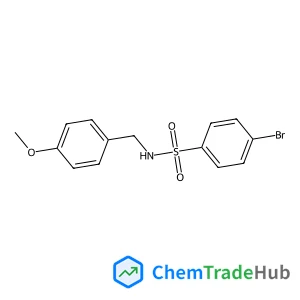
![[3-Formyl-5-(trifluoromethoxy)phenyl]boronic acid structure](https://static.chemtradehub.com/structs/145/1451393-39-7-aebb.webp "[3-Formyl-5-(trifluoromethoxy)phenyl]boronic acid structure")