Ethyl 6-(trifluoromethyl)pyridazine-3-carboxylate
CAS Number:
1192155-06-8
Molecular Formula:
C8H7F3N2O2
Srirama Hariharan, Kuppan Saravanan, Vishwanathan Ramar, Palani Balaya
Identifying dual role electrode materials capable of storing both lithium and sodium are thought to be highly relevant, as these materials could find potential applications simultaneously in lithium and sodium ion batteries. In this regard, the concept of dual alkali storage is demonstrated in Fe3O4 anode material undergoing conversion reaction. To enable improved storage, a rational active material and electrode design is proposed. Accordingly, the following features were simultaneously incorporated into the design: (i) an optimal particle size, (ii) a conducting matrix, (iii) adequately large active material surface area and (iv) strong electrode material-current collector integrity. Electrodes incorporating this rational design exhibit excellent high rate performance and impressive cyclability during lithium storage. For instance, Fe3O4 electrodes deliver a charge capacity of 950 mAh g−1 at 1.2 C (∼2.6 times higher than graphite and 5.4 times higher than Li4Ti5O12). Further, these electrodes show no signs of capacity fade even up to 1100 cycles. Impressively, the cells could also be charged–discharged to 65% of their theoretical capacity in just 5 min or 12 C (11.11 A g−1). The rate performance and cyclability of lithium storage achieved here are amongst the highest reported values in the literature for the conversion reaction in Fe3O4. Besides lithium storage, the dual role of this anode is shown by demonstrating its sodium storage ability by conversion reaction for the first time.
DOI: 10.1039/C3PY00216K
Sujuan Zhai, Xuemei Song, Chun Feng, Xiuyu Jiang, Yongjun Li, Guolin Lu, Xiaoyu Huang
DOI: 10.1039/C3PY00474K
Wenbo Wu, Shaohui Xin, Zhen Xu, Cheng Ye, Jingui Qin, Zhen Li
DOI: 10.1039/C3PY00257H
Wim Van Camp, Filip Du Prez, Laurent Rubatat, Laurent Billon, Maud Save
DOI: 10.1039/C3PY00643C
Jessica J. Cash, Matthew C. Davis, Michael D. Ford, Thomas J. Groshens, Andrew J. Guenthner, Benjamin G. Harvey, Kevin R. Lamison, Joseph M. Mabry, Heather A. Meylemans, Josiah T. Reams, Christopher M. Sahagun
DOI: 10.1039/C3PY00438D
Yunxing Li, Yan Wu, Qingjie Xu, Yan Gao, Guangqun Cao, Zhen Meng, Cheng Yang
DOI: 10.1039/C3PY00281K
Stefan Naumann, Friedrich Georg Schmidt, Roman Schowner, Wolfgang Frey
DOI: 10.1039/C3PY00073G
6-(3-Fluorophenyl)picolinic acid is generally considered safe for laboratory use...
(3R)-3-Pyrrolidinol is used in the pharmaceutical industry as a precursor for dr...
When handling (4R,5R)-4,5-Diethoxycarbonyl-2,2-dimethyldioxolane (CAS: 59779-75-...
1-(6-Chloroimidazo[1,2-b]pyridazin-3-yl)ethanone is often synthesized via a mult...
The market for N-Ethyl-3,4-dimethylbenzylamine (CAS: 39180-83-1) remains steady,...
Tert-butyl 3-(pyrrolidin-1-yl)azetidine-1-carboxylate is a chemical compound wit...
1-Bromo-3-chloro-2,4-dimethoxybenzene (CAS: 1228956-93-1) falls under the classi...
The safety of 8-Bromo-2-methyl-3,4-dihydroisoquinolin-1(2H)-one (CAS: 1368622-07...
Benzyl [(3S)-2,6-dioxo-3-piperidinyl]carbamate is generally safe when handled wi...
1-{[4-(4,4,5,5-Tetramethyl-1,3,2-dioxaborolan-2-yl)phenyl]sulfonyl}pyrrolidine s...

Physical Chemistry Chemical Physics (PCCP) is an international journal co-owned by 19 physical chemistry and physics societies from around the world. This journal publishes original, cutting-edge research in physical chemistry, chemical physics and biophysical chemistry. To be suitable for publication in PCCP, articles must include significant innovation and/or insight into physical chemistry; this is the most important criterion that reviewers and Editors will judge against when evaluating submissions. The journal has a broad scope and welcomes contributions spanning experiment, theory, computation and data science. Topical coverage includes spectroscopy, dynamics, kinetics, statistical mechanics, thermodynamics, electrochemistry, catalysis, surface science, quantum mechanics, quantum computing and machine learning. Interdisciplinary research areas such as polymers and soft matter, materials, nanoscience, energy, surfaces/interfaces, and biophysical chemistry are welcomed if they demonstrate significant innovation and/or insight into physical chemistry. Joined experimental/theoretical studies are particularly appreciated when complementary and based on up-to-date approaches.
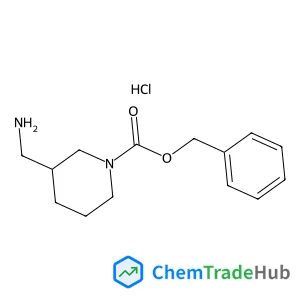
![2-Methyl-2-propanyl [(2S)-1-hydroxy-3-(4-hydroxyphenyl)-2-propanyl]carbamate structure](https://static.chemtradehub.com/structs/833/83345-46-4-eec2.webp "2-Methyl-2-propanyl [(2S)-1-hydroxy-3-(4-hydroxyphenyl)-2-propanyl]carbamate structure")