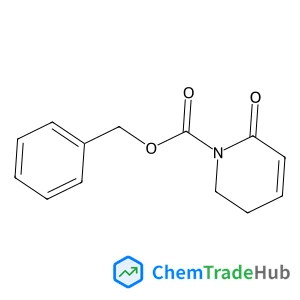
Benzyl 6-oxo-3,6-dihydro-1(2H)-pyridinecarboxylate
CAS Number:
725746-35-0
Molecular Formula:
C13H13NO3
A number of recently developed theoretical methods for the calculation of vibrational energies and wave functions are reviewed. Methods for constructing the appropriate quantum mechanical Hamilton operator are briefly described before reviewing a particular branch of theoretical methods for solving the nuclear Schrödinger equation. The main focus is on wave function methods using the vibrational self-consistent field (VSCF) as starting point, and includes vibrational configuration interaction (VCI), vibrational Møller–Plesset (VMP) theory, and vibrational coupled cluster (VCC) theory. The convergence of the different methods towards the full vibrational configuration interaction (FVCI) result is discussed. Finally, newly developed vibrational response methods for calculation of vibrational contributions to properties, energies, and transition probabilities are discussed.
Yi-Cong Wang, Pei-Yi Cheng, Zhi-Qian Zhang, Ke-Xin Fan, Rui-Qi Lu, Shu Zhang, Yi-Xian Wu
DOI: 10.1039/D1PY01140E
Kostas Parkatzidis, Manon Rolland, Nghia P. Truong, Athina Anastasaki
DOI: 10.1039/D1PY01044A
Bo Fan, Jing Wan, Alasdair McKay, Zhenyuan Qu, San H. Thang
DOI: 10.1039/D0PY00985G
DOI: 10.1039/D1PY01301G
Huiying Wang, Qiang Chen, Zhen Geng, Jingyi Rao, Bijin Xiong, Frédéric Lortie, Julien Bernard, Wolfgang H. Binder, Senbin Chen, Jintao Zhu
DOI: 10.1039/D1PY01061A
Pedro Salas-Ambrosio, Ségolène Antoine, Emmanuel Ibarboure, Olivier Sandre, Mark W. Grinstaff, Sébastien Lecommandoux, Colin Bonduelle
DOI: 10.1039/D1PY00995H
Lei Zhang, Fangyuan Zhou, Zhenjiang Li, Bo Liu, Rui Yan, Jie Li, Yongzhu Hu, Chan Zhang, Zikun Luo, Kai Guo
DOI: 10.1039/D0PY00812E
Filip Du Prez, Julia Kalow
DOI: 10.1039/D0PY90102D
N-(4-Methoxybenzyl)-2-pyridinamine (CAS: 52818-63-0) is increasingly being used ...
When handling Ethyl 4-(2-chlorophenyl)-1,3-thiazole-2-carboxylate, appropriate p...
Diethyldiselane (CAS: 628-39-7) is classified under the Globally Harmonized Syst...
The market for oxocopper (CAS: 12053-18-8) is primarily driven by its use in cat...
The market for 5-{[(2-Methyl-2-propanyl)oxy]carbonyl}-5-azaspiro[2.4]heptane-7-c...
2-(1-Pyrrolidinyl)-4-pyridinamine is a chemical compound with the CAS number 359...
2-(3-Pyridinyl)-1-azabicyclo[2.2.2]octane (CAS: 91556-75-1) is a crystalline sol...
(S)-Alpha-allyl-proline hydrochloride is usually synthesized via a Wittig reacti...
3-Methyl-1,2-oxazole-5-carboxylic acid (CAS: 4857-42-5) is an organic compound w...
Lys-SMCC-DM1 is synthesized via a multi-step process involving the coupling of S...

Physical Chemistry Chemical Physics (PCCP) is an international journal co-owned by 19 physical chemistry and physics societies from around the world. This journal publishes original, cutting-edge research in physical chemistry, chemical physics and biophysical chemistry. To be suitable for publication in PCCP, articles must include significant innovation and/or insight into physical chemistry; this is the most important criterion that reviewers and Editors will judge against when evaluating submissions. The journal has a broad scope and welcomes contributions spanning experiment, theory, computation and data science. Topical coverage includes spectroscopy, dynamics, kinetics, statistical mechanics, thermodynamics, electrochemistry, catalysis, surface science, quantum mechanics, quantum computing and machine learning. Interdisciplinary research areas such as polymers and soft matter, materials, nanoscience, energy, surfaces/interfaces, and biophysical chemistry are welcomed if they demonstrate significant innovation and/or insight into physical chemistry. Joined experimental/theoretical studies are particularly appreciated when complementary and based on up-to-date approaches.
![(2R,6S)-6-[(Benzyloxy)methyl]-4-{[(2-methyl-2-propanyl)oxy]carbonyl}-2-morpholinecarboxylic acid structure](https://static.chemtradehub.com/structs/109/1093085-91-6-3382.webp "(2R,6S)-6-[(Benzyloxy)methyl]-4-{[(2-methyl-2-propanyl)oxy]carbonyl}-2-morpholinecarboxylic acid structure")