Methyl 2-cyano-3,12-dioxooleana-1,9(11)-dien-28-oate
CAS Number:
218600-53-4
Molecular Formula:
C32H43NO4
Janko N. Herak, Krešimir Sanković, Eli O. Hole, Einar Sagstuen
ENDOR spectroscopy was used for the analysis of radiation-induced electron-loss radicals in thiocytosine. The radicals were induced by X-irradiating single crystals of cytosine monohydrate, substitutionally doped with 2-thiocytosine. X-irradiation and measurements were carried out at about 15 K. The electron-loss radicals were found to be associated with the thiocytosine molecules in a proportion much above the thiocytosine/cytosine ratio in the lattice; the concentration enhancement factor was estimated to be more than 45. The significantly elevated spectroscopic splitting factor (g) for the sulfur-centered radicals in the EPR spectra make these radicals easily discriminated from the spectra of other radicals present in the system. The present study is the first detailed ENDOR study of one of the sulfur-centered radicals selectively formed in an appropriately related crystal lattice as a host. Six different intra- and inter-molecular proton couplings were detected. The respective coupling tensors were determined and the couplings were assigned to protons in the thiocytosine N1-deprotonated cation radical (S1) itself and in its environment. The structure of radical S1 is analogous to that of the related cytosine radical in irradiated pure crystals of cytosine monohydrate. However, the two radicals differ in their g values and in the spin density distribution. In the thiocytosine-derived radical gmax(S1) = 2.132, compared with 2.005 for the corresponding radical in cytosine. In radical S1 most of the spin density (∽65–70%) is located at sulfur and little at the ring atoms: 0.21 at C5 and about 0.14 at N1, compared with spin densities of 0.58 at C5 and 0.30 at N1 in the corresponding radical in cytosine. A concentration enhancement of >45 suggests long-range hole transfer through the lattice. Assuming that this takes place mainly by the transfer through vertically overlapping (stacked) bases, preliminary considerations show that the effectie range for the hole transfer is more than 22 base separations, or more than 7 nm.
Arnold Lambert, Pawel Plucinski, Ivan V. Kozhevnikov
DOI: 10.1039/B300494P
Boyapati M. Choudary, Chinta Reddy V. Reddy, Billakanti V. Prakash, Mannepalli L. Kantam, B. Sreedhar
DOI: 10.1039/B212749K
Jonathan P. May, Lynda J. Brown, Ivo Rudloff, Tom Brown
DOI: 10.1039/B300934C
Avelino Corma, Hermenegildo García, Antonio Leyva
DOI: 10.1039/B211742H
Sonia M. Horvat, Sunggak Kim, Carl H. Schiesser
DOI: 10.1039/B302307A
Jyongsik Jang, Hyeonseok Yoon
DOI: 10.1039/B211716A
Artur Krężel, Jacek Wójcik, Maciej Maciejczyk, Wojciech Bal
DOI: 10.1039/B300632H
Hiroshi Mizoguchi, Nattamai S. P. Bhuvanesh, Patrick M. Woodward
DOI: 10.1039/B300635B
Lionel Salmon, Pierre Thuéry, Eric Rivière, Jean-Jacques Girerd, Michel Ephritikhine
DOI: 10.1039/B212635D
Theodora Krasia, Rémi Soula, Hans G. Börner, Helmut Schlaad
DOI: 10.1039/B212634F
When handling 4-(2-Furylmethyl)thiomorpholine 1,1-dioxide (CAS: 79206-94-3), it ...
When handling 4-Chloro-N-[2-(4-morpholinyl)ethyl]benzamide (CAS: 71320-77-9), it...
Waste containing this compound (CAS: 62921-74-8) should be handled according to ...
Waste containing (S)-Methyl 2-amino-3-cyclohexylpropanoate should be collected i...
This compound can be synthesized using a multi-step process involving the conjug...
There are several alternatives to (2E)-3-(3,4-Dichlorophenyl)acrylic acid in syn...
Ethyl 6-(2-nitrophenyl)imidazo[2,1-b][1,3]thiazole-3-carboxylate (CAS: 925437-84...
Waste containing 2-(1,3-Thiazol-2-yl)ethanamine (CAS: 18453-07-1) should be coll...
Methyl 5-iodo-2-methylbenzoate can be synthesized through the iodination of meth...
5-Chloro[1,2,4]triazolo[1,5-a]pyridine is commonly synthesized via the condensat...

Physical Chemistry Chemical Physics (PCCP) is an international journal co-owned by 19 physical chemistry and physics societies from around the world. This journal publishes original, cutting-edge research in physical chemistry, chemical physics and biophysical chemistry. To be suitable for publication in PCCP, articles must include significant innovation and/or insight into physical chemistry; this is the most important criterion that reviewers and Editors will judge against when evaluating submissions. The journal has a broad scope and welcomes contributions spanning experiment, theory, computation and data science. Topical coverage includes spectroscopy, dynamics, kinetics, statistical mechanics, thermodynamics, electrochemistry, catalysis, surface science, quantum mechanics, quantum computing and machine learning. Interdisciplinary research areas such as polymers and soft matter, materials, nanoscience, energy, surfaces/interfaces, and biophysical chemistry are welcomed if they demonstrate significant innovation and/or insight into physical chemistry. Joined experimental/theoretical studies are particularly appreciated when complementary and based on up-to-date approaches.
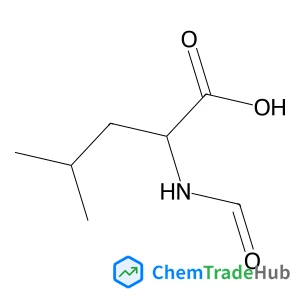
![5-Acetyl-2,3-dihydrobenzo[b]furan structure](https://static.chemtradehub.com/structs/908/90843-31-5-eea4.webp "5-Acetyl-2,3-dihydrobenzo[b]furan structure")