



AD
(R)-(-)-1-BENZYLOXY-3-TOSYLOXY-2-PROPANOL(CAS: 23214-66-6)
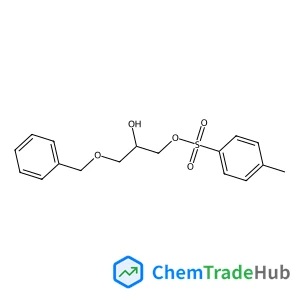
CAS Number
Related Products
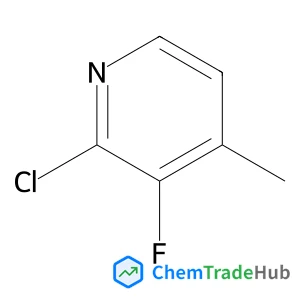
2-Chloro-3-fluoro-4-methylpyridine
CAS Number: 881891-82-3

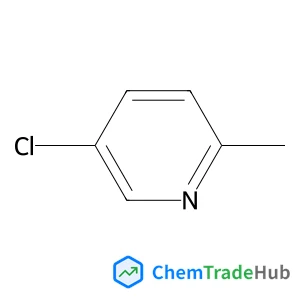
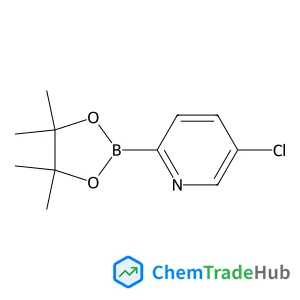
5-Chloro-2-methylpyridine
CAS Number: 72093-07-3
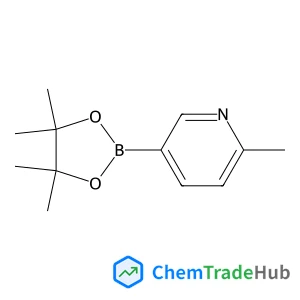
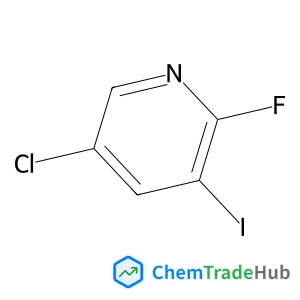
5-Chloro-2-fluoro-3-iodopyridine
CAS Number: 884495-31-2
![(2E)-3-[4-(1H-Imidazol-1-ylmethyl)phenyl]acrylic acid](https://static.chemtradehub.com/structs/825/82571-53-7-3711.webp)
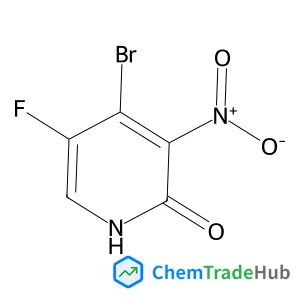
4-Bromo-5-fluoro-3-nitropyridin-2-ol
CAS Number: 884495-02-7
Other Suppliers for (R)-(-)-1-BENZYLOXY-3-TOSYLOXY-2-PROPANOL






Basic Information
Molecular Formula
C17H20O5S
Molecular Weight
336.41 g/mol
Physical Properties
Melting Point
52-55 °C (lit.)
Boiling Point
515.6°Cat760mmHg
Density
1.253
Chemical Identifiers
SMILES
CC1=CC=C(C=C1)S(=O)(=O)OCC(COCC2=CC=CC=C2)O
InChIKey
HBMUWOSOGHUWSS-MRXNPFEDSA-N
Database References
MDL Number
MFCD00134285
FAQ
(2R)-3-(Benzyloxy)-2-hydroxypropyl 4-methylbenzenesulfonate has a crystalline form and a molecular weight of approximately 336.46 g/mol. It has limited solubility in water but is soluble in organic solvents. This compound is reactive and can participate in various chemical reactions such as esterification and sulfonation. It is stable under normal conditions but should be stored in a cool, dry place away from strong oxidizers and acids.
(2R)-3-(Benzyloxy)-2-hydroxypropyl 4-methylbenzenesulfonate is typically synthesized via a multistep process involving the protection of a hydroxyl group, followed by sulfonation and deprotection. Common reagents used include benzyloxycarbonyl chloride, methylbenzenesulfonic acid, and appropriate bases. The synthesis is usually carried out with high selectivity and yield, although careful control of reaction conditions is necessary to prevent side reactions.
(2R)-3-(Benzyloxy)-2-hydroxypropyl 4-methylbenzenesulfonate is used in the pharmaceutical industry for the synthesis of drugs that require specific functional groups. It is also utilized in the polymer industry as a monomer or as a modifier to improve properties of polymers. Additionally, it has applications in sensor technology and semiconductor manufacturing due to its chemical reactivity and functional groups.
When handling (2R)-3-(Benzyloxy)-2-hydroxypropyl 4-methylbenzenesulfonate, it is important to wear appropriate personal protective equipment (PPE) such as gloves, goggles, and a lab coat. Work should be conducted in a well-ventilated area or a fume hood to minimize inhalation risks. Spills should be cleaned up using appropriate absorbents, and waste should be disposed of according to local regulations. Always refer to the Safety Data Sheet (SDS) for the latest safety information and guidelines.
Safety Notice
Please verify product specifications and safety data before use. Contact the supplier for detailed safety information.
Always follow proper handling procedures
Contact Information
Contact Person
i
info@vesino.com.cn