



AD
Methyl (3S)-1,2,3,4-tetrahydro-3-isoquinolinecarboxylate hydrochloride (1:1)(CAS: 78183-55-8)
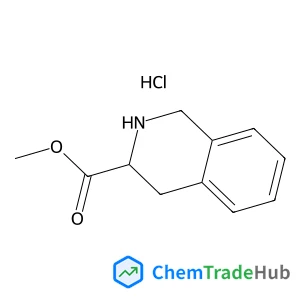
CAS Number
Related Products
![(2R)-1-[(2-Methyl-2-propanyl)oxy]-1-oxo-3-(tritylsulfanyl)-2-propanaminium chloride](https://static.chemtradehub.com/structs/158/158009-03-1-72f2.webp)
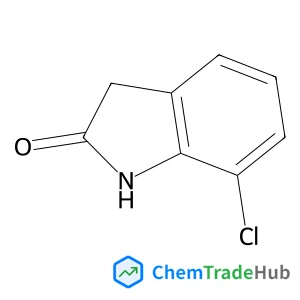
7-Chloro-1,3-dihydro-2H-indol-2-one
CAS Number: 25369-33-9

Methyl 4-bromo-2,6-difluorobenzoate
CAS Number: 773134-11-5

2-Oxo-2H-pyran-5-carboxylic acid
CAS Number: 500-05-0
![5-Bromo-1H-pyrrolo[2,3-b]pyridin-6-amine](https://static.chemtradehub.com/structs/119/1190322-18-9-0a9f.webp)
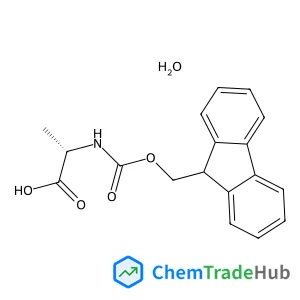
N-Fmoc-L-alanine Hydrate
CAS Number: 207291-76-7
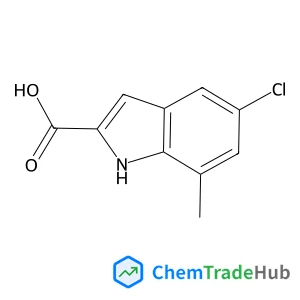

Other Suppliers for Methyl (3S)-1,2,3,4-tetrahydro-3-isoquinolinecarboxylate hydrochloride (1:1)






Basic Information
Molecular Formula
C11H14ClNO2
Molecular Weight
227.69 g/mol
Physical State
White to Yellow Solid
Chemical Identifiers
SMILES
COC(=O)C1CC2=CC=CC=C2CN1.Cl
InChIKey
BUXCBOUGBHWQBE-PPHPATTJSA-N
Database References
MDL Number
MFCD05861484
FAQ
Methyl (3S)-1,2,3,4-tetrahydro-3-isoquinolinecarboxylate hydrochloride is a white crystalline solid with a molecular weight of approximately 262.74 g/mol. It has a high solubility in organic solvents but is poorly soluble in water. The compound is moderately reactive and should be handled under an inert atmosphere to prevent decomposition. It is stable at room temperature but may hydrolyze over time.
Methyl (3S)-1,2,3,4-tetrahydro-3-isoquinolinecarboxylate hydrochloride is synthesized through a multistep process involving alkylation and subsequent condensation reactions. Commonly, methyl iodide is used as the alkylating agent, and HCl is added to protonate the intermediate. The synthesis involves controlled conditions to achieve high yield and purity, often requiring the use of azeotropic distillation to remove by-products.
Methyl (3S)-1,2,3,4-tetrahydro-3-isoquinolinecarboxylate hydrochloride is used in the pharmaceutical industry for the synthesis of certain drug intermediates. It also finds application in the production of various organic compounds and as a reagent in chemical research. Additionally, it can be used in the development of sensors and as a component in some polymer formulations.
When handling Methyl (3S)-1,2,3,4-tetrahydro-3-isoquinolinecarboxylate hydrochloride, it is important to use appropriate personal protective equipment (PPE), including gloves, goggles, and a lab coat. Work should be conducted in a well-ventilated area or a fume hood to prevent inhalation of fumes. Spills should be carefully cleaned up using appropriate absorbent materials, and the area should be ventilated. Always refer to the Safety Data Sheet (SDS) for detailed handling and disposal instructions.
Safety Notice
Please verify product specifications and safety data before use. Contact the supplier for detailed safety information.
Always follow proper handling procedures

Contact Information
Contact Person
Leyan
product@leyan.com
Mobile
13525454349
Visit Website
https://www.leyan.com/Address
No. 3, Block 1999, Zhangheng Road, China (Shanghai) Free Trade Zone