



AD
1-Ethyl-6-fluoro-4-oxo-7-(1-piperazinyl)-1,4-dihydro-3-quinolinecarboxylic acid(CAS: 70458-96-7)
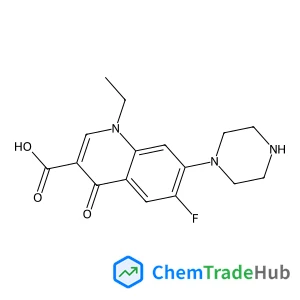
CAS Number
Related Products
Reactive Blue 222
CAS Number: 93051-44-6
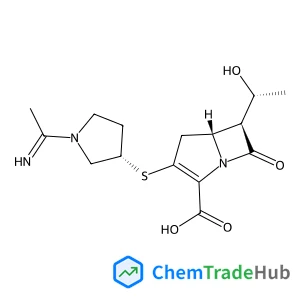
Panipenem
CAS Number: 87726-17-8
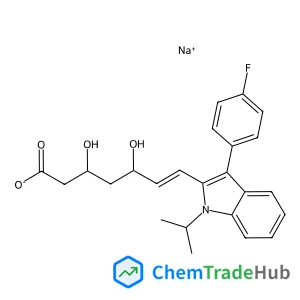
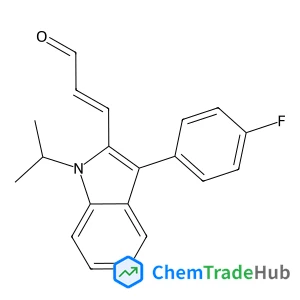
Lescol
CAS Number: 93957-55-2
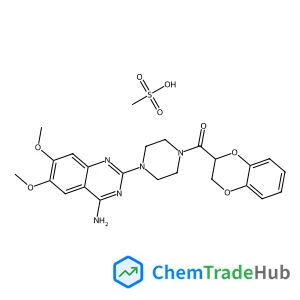
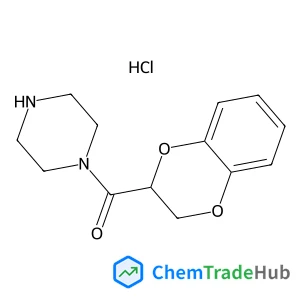
Doxazosin Mesylate
CAS Number: 77883-43-3
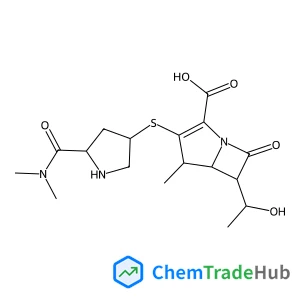
Meropenem
CAS Number: 96036-03-2

2,2-Dimethoxypropane
CAS Number: 77-76-9
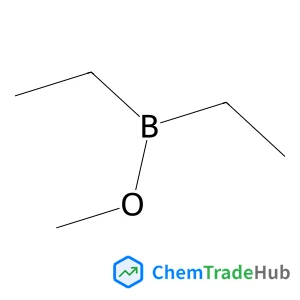
Methyl diethylborinate
CAS Number: 7397-46-8
Other Suppliers for 1-Ethyl-6-fluoro-4-oxo-7-(1-piperazinyl)-1,4-dihydro-3-quinolinecarboxylic acid


Basic Information
Molecular Formula
C16H18FN3O3
Molecular Weight
319.34 g/mol
Physical State
Powder
Physical Properties
Melting Point
221°C(lit.)
Boiling Point
695.6°C at 760 mmHg
Density
1.2504 (estimate)
Flash Point
289.9 °C
Water Solubility
Soluble in acetic acid. Also soluble in acetone or cloroform. Slightly soluble in water
Chemical Identifiers
SMILES
CCn1cc(C(=O)O)c(=O)c2cc(F)c(cc12)N3CCNCC3
InChIKey
OGJPXUAPXNRGGI-UHFFFAOYSA-N
Database References
MDL Number
MFCD00079532
FAQ
1-Ethyl-6-fluoro-4-oxo-7-(1-piperazinyl)-1,4-dihydro-3-quinolinecarboxylic acid (CAS: 70458-96-7) is a synthetic organic compound with a complex structure featuring a quinoline ring, piperazine group, and fluorine substitution. It is a white crystalline solid with moderate solubility in polar solvents. The molecule exhibits specific pharmacological activity due to its quinoline core and piperazine functionality, making it relevant in drug discovery and chemical research. Its chemical formula is C14H16FN3O2, with molecular weight 287.3 g/mol.
This compound is primarily used in pharmaceutical research as a potential drug candidate for neurological disorders. It serves as an intermediate in the synthesis of bioactive molecules targeting central nervous system (CNS) pathways. Additionally, it is applied in chemical synthesis for developing therapeutic agents and in medicinal chemistry studies. Its unique structure makes it valuable for exploring new treatments and understanding molecular interactions in drug development.
Safety of this compound depends on its application. As a research chemical, it requires careful handling to avoid skin contact, inhalation, or ingestion. Limited toxicity data exists, but standard lab safety protocols—such as wearing protective gear and ensuring proper ventilation—should be followed. It is not approved for direct consumer use and must adhere to industrial safety standards for handling hazardous materials. Always consult safety data sheets (SDS) for specific guidelines.
Store this compound in a sealed, cool (2-8°C), and dry environment, away from light and moisture. Keep in airtight containers to prevent degradation or contamination. Avoid exposure to air and humidity to maintain stability. For long-term storage, use a desiccator or refrigerated conditions. Always check manufacturer guidelines for specific storage requirements and ensure proper labeling for safe handling.
Safety Notice
Please verify product specifications and safety data before use. Contact the supplier for detailed safety information.
Always follow proper handling procedures
Contact Information
sales@dankong.com