



AD
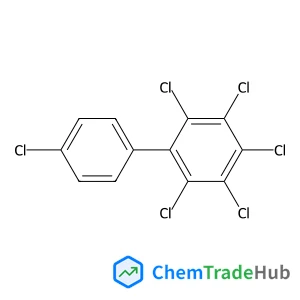
2,3,4,4',5,6-Hexachlorobiphenyl(CAS: 41411-63-6)
CAS Number
Related Products
amino}butanoic acid](https://static.chemtradehub.com/structs/221/221124-57-8-c784.webp)
![1-Cyclopropyl-8-methyl-7-[5-methyl-6-(methylamino)-3-pyridinyl]-4-oxo-1,4-dihydro-3-quinolinecarboxylic acid](https://static.chemtradehub.com/structs/245/245765-41-7-85ad.webp)
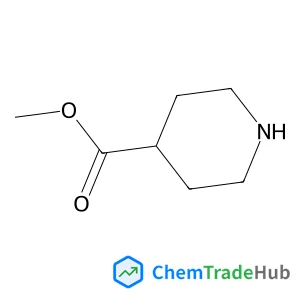
Methyl 4-piperidinecarboxylate
CAS Number: 2971-79-1
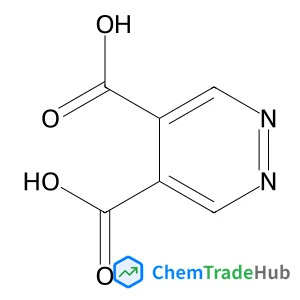
4,5-Pyridazinedicarboxylic acid
CAS Number: 59648-14-5
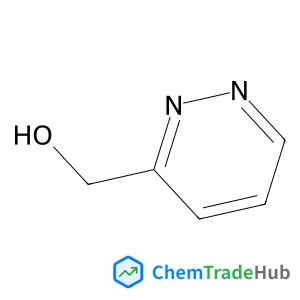
pyridazin-3-ylmethanol
CAS Number: 37444-46-5
![N-[4-(Trifluoromethoxy)phenyl]acetamide](https://static.chemtradehub.com/structs/173/1737-06-0-69aa.webp)
N-[4-(Trifluoromethoxy)phenyl]acetamide
CAS Number: 1737-06-0
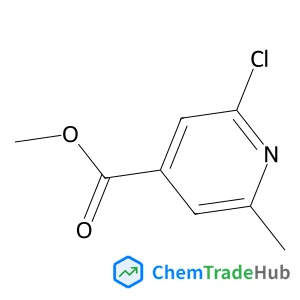
Methyl 2-chloro-6-methylisonicotinate
CAS Number: 3998-90-1

2-Fluoro-5-iodophenol
CAS Number: 186589-89-9
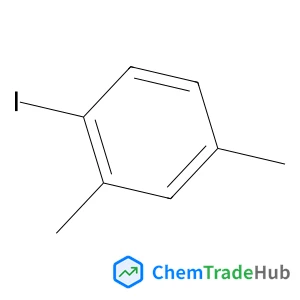
1-Iodo-2,4-dimethylbenzene
CAS Number: 4214-28-2
Other Suppliers for 2,3,4,4',5,6-Hexachlorobiphenyl







Basic Information
Molecular Formula
C12H4Cl6
Molecular Weight
360.88 g/mol
Physical Properties
Melting Point
163°C
Boiling Point
446.99°C (rough estimate)
Chemical Identifiers
SMILES
C1=CC(=CC=C1C2=C(C(=C(C(=C2Cl)Cl)Cl)Cl)Cl)Cl
InChIKey
BTOCFTAWZMMTNB-UHFFFAOYSA-N
Database References
MDL Number
MFCD00152545
FAQ
2,3,4,4',5,6-Hexachlorobiphenyl (CAS: 41411-63-6) is a crystalline solid with a molecular weight of approximately 364.84 g/mol. It has a low solubility in water but is highly soluble in organic solvents. This compound is not reactive under normal conditions but can undergo photodegradation. It is known for its persistence in the environment and bioaccumulation potential.
2,3,4,4',5,6-Hexachlorobiphenyl is typically synthesized through the chlorination of biphenyl using chlorine gas. The process involves multiple chlorination steps, and the reaction is often carried out in a solvent such as carbon tetrachloride. The yield and selectivity can be optimized using appropriate conditions and catalysts.
2,3,4,4',5,6-Hexachlorobiphenyl was historically used in the production of flame retardants, plasticizers, and as a component in some electronic materials. However, due to its persistence and environmental and health concerns, its use has been significantly reduced or banned in many countries. It is now mainly of historical or academic interest.
When handling 2,3,4,4',5,6-Hexachlorobiphenyl, it is crucial to wear appropriate personal protective equipment (PPE), including gloves, safety goggles, and a lab coat. Work should be conducted in a fume hood to minimize exposure. Spills should be cleaned up immediately using absorbent materials, and proper disposal should follow local regulations. Always consult the Safety Data Sheet (SDS) for detailed handling instructions and emergency procedures.
Safety Notice
Please verify product specifications and safety data before use. Contact the supplier for detailed safety information.
Always follow proper handling procedures

Contact Information
3007522982@qq.com
Mobile
18117592386
Telephone
021-57481218
Fax
无
Visit Website
https://www.acmec-e.com