



AD
(R)-3-Amino-3-(2-naphthyl)-propionic Acid(CAS: 786637-72-7)
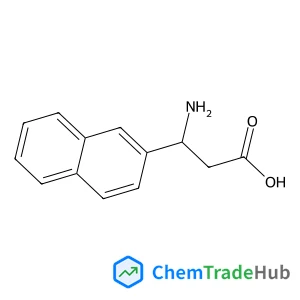
CAS Number
Related Products
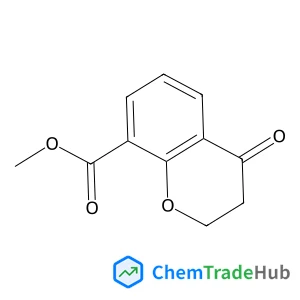
Methyl 4-oxochroman-8-carboxylate
CAS Number: 91344-89-7
![N-{[(2-Methyl-2-propanyl)oxy]carbonyl}-4-(trifluoromethyl)-D-phenylalanine](https://static.chemtradehub.com/structs/823/82317-83-7-56fb.webp)
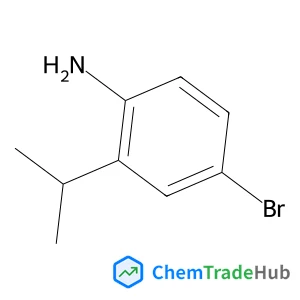
4-Bromo-2-isopropylaniline
CAS Number: 81090-34-8
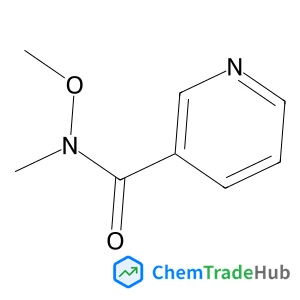
N-Methoxy-N-methylnicotinamide
CAS Number: 95091-91-1
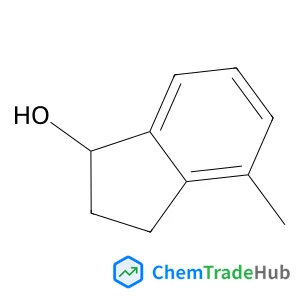
4-Methyl-1-indanol
CAS Number: 67864-03-3
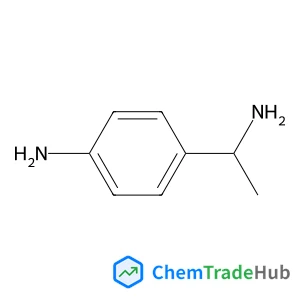
4-(1-Aminoethyl)aniline
CAS Number: 90434-58-5
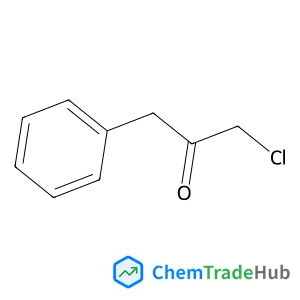
1-Chloro-3-phenylacetone
CAS Number: 937-38-2
![1-[4-(2-Methyl-2-propanyl)phenyl]acetone](https://static.chemtradehub.com/structs/815/81561-77-5-e7b1.webp)
![(3R)-3-Amino-3-[3-(trifluoromethyl)phenyl]propanoic acid](https://static.chemtradehub.com/structs/793/793663-51-1-da69.webp)
Other Suppliers for (R)-3-Amino-3-(2-naphthyl)-propionic Acid




Basic Information
Molecular Formula
C13H13NO2
Molecular Weight
215.25 g/mol
Chemical Identifiers
SMILES
C1=CC=C2C=C(C=CC2=C1)C(CC(=O)O)N
InChIKey
JASNXOXPNZWQRV-GFCCVEGCSA-N
Database References
MDL Number
MFCD04113647
FAQ
(R)-3-Amino-3-(2-naphthyl)-propionic Acid is a white crystalline solid with a molecular weight of approximately 257.24 g/mol. It has a pKa of around 9.3 and is slightly soluble in water. The compound is known for its stability under normal conditions but can react with strong acids or bases. It is poorly soluble in organic solvents like ethanol and acetone but dissolves in more polar solvents like methanol and acetonitrile.
(R)-3-Amino-3-(2-naphthyl)-propionic Acid can be synthesized through a multistep process involving acylation of 2-naphthol followed by aminoation. The synthesis typically involves the use of acetic anhydride for acylation, and hydrazine or an appropriate amine for the aminoation step. The reaction conditions include the use of a catalytic amount of a base like potassium carbonate to enhance the reaction yield and selectivity.
(R)-3-Amino-3-(2-naphthyl)-propionic Acid finds application in the pharmaceutical industry as a precursor in the synthesis of bioactive compounds. It is also used in the polymer industry for functionalization purposes. Additionally, it can be used in the development of sensors and as a building block in the synthesis of various organic materials.
When handling (R)-3-Amino-3-(2-naphthyl)-propionic Acid, it is essential to use appropriate personal protective equipment (PPE), including gloves, safety goggles, and a lab coat. The compound should be handled in a well-ventilated area or a fume hood to minimize exposure. Spills should be cleaned up immediately using appropriate absorbent materials. Always refer to the safety data sheet (SDS) for detailed information on proper handling and emergency procedures.
Safety Notice
Please verify product specifications and safety data before use. Contact the supplier for detailed safety information.
Always follow proper handling procedures
Contact Information
sales@labter.com.cn