



AD
(3S)-3-Amino-4-[(2-methyl-2-propanyl)oxy]-4-oxobutanoic acid(CAS: 4125-93-3)
![(3S)-3-Amino-4-[(2-methyl-2-propanyl)oxy]-4-oxobutanoic acid](https://static.chemtradehub.com/structs/412/4125-93-3-c6c1.webp "(3S)-3-Amino-4-[(2-methyl-2-propanyl)oxy]-4-oxobutanoic acid")
CAS Number
Related Products
![(2R)-1-[(2-Methyl-2-propanyl)oxy]-1-oxo-3-(tritylsulfanyl)-2-propanaminium chloride](https://static.chemtradehub.com/structs/158/158009-03-1-72f2.webp)
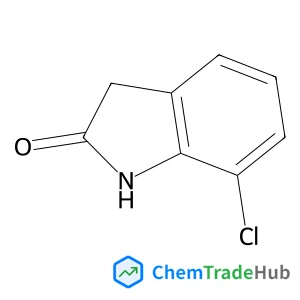
7-Chloro-1,3-dihydro-2H-indol-2-one
CAS Number: 25369-33-9
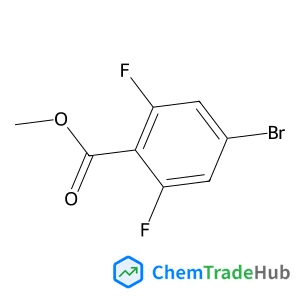
Methyl 4-bromo-2,6-difluorobenzoate
CAS Number: 773134-11-5
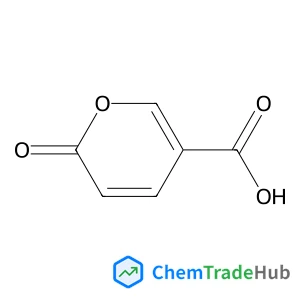
2-Oxo-2H-pyran-5-carboxylic acid
CAS Number: 500-05-0
![5-Bromo-1H-pyrrolo[2,3-b]pyridin-6-amine](https://static.chemtradehub.com/structs/119/1190322-18-9-0a9f.webp)
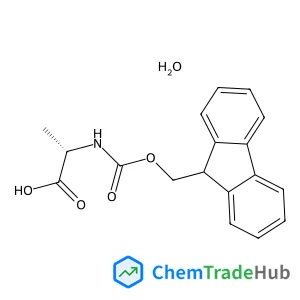
N-Fmoc-L-alanine Hydrate
CAS Number: 207291-76-7
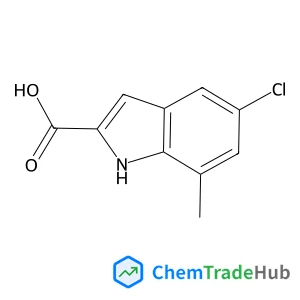
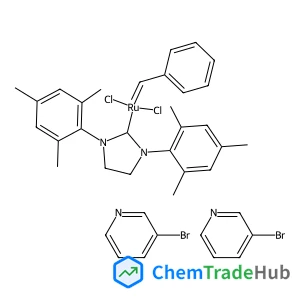
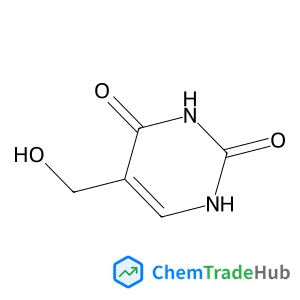
Other Suppliers for (3S)-3-Amino-4-[(2-methyl-2-propanyl)oxy]-4-oxobutanoic acid
![(3S)-3-Amino-4-[(2-methyl-2-propanyl)oxy]-4-oxobutanoic acid — JiangSuAiKangShengWuYiYaoYanFa Co Ltd](https://static.chemtradehub.com/suppliers/67cec9452b2de6e8e95a52fa/67cec9452b2de6e8e95a52fa-logo.webp)
![(3S)-3-Amino-4-[(2-methyl-2-propanyl)oxy]-4-oxobutanoic acid — Jin Jinle (Hunan) Chemical Co., Ltd.](https://static.chemtradehub.com/suppliers/67ce76192b2de6e8e95a464e/67ce76192b2de6e8e95a464e-logo.webp)
![(3S)-3-Amino-4-[(2-methyl-2-propanyl)oxy]-4-oxobutanoic acid — East Asia Chemical Co., Ltd. Shandong](https://static.chemtradehub.com/suppliers/67cde87857537e5c8069af31/67cde87857537e5c8069af31-logo.webp)
![(3S)-3-Amino-4-[(2-methyl-2-propanyl)oxy]-4-oxobutanoic acid — HePeng ( ShangHai ) Biotechnology Co Ltd](https://static.chemtradehub.com/suppliers/67ceccf22b2de6e8e95a5e0f/67ceccf22b2de6e8e95a5e0f-logo.webp)
Basic Information
Molecular Formula
C8H15NO4
Molecular Weight
189.21 g/mol
Physical Properties
Boiling Point
297.8℃ at 760 mmHg
Chemical Identifiers
SMILES
CC(C)(C)OC(=O)C(CC(=O)O)N
InChIKey
PUWCNJZIFKBDJQ-YFKPBYRVSA-N
Database References
MDL Number
MFCD00171675
FAQ
(3S)-3-Amino-4-[(2-methyl-2-propanyl)oxy]-4-oxobutanoic acid is a white crystalline solid with a molecular weight of approximately 210.32 g/mol. It is slightly soluble in water and has a pKa of around 4.3. This compound is reactive towards nucleophiles and can undergo various chemical transformations such as esterification and amidation. It is also prone to hydrolysis under basic conditions.
(3S)-3-Amino-4-[(2-methyl-2-propanyl)oxy]-4-oxobutanoic acid is synthesized through a multi-step process involving the protection of the amino group, introduction of the oxybutyl moiety, and subsequent removal of the protecting group. Commonly, the synthesis involves protecting the amino group with a trifluoroacetyl (TFA) or an acetyl group, followed by the introduction of the oxybutyl moiety via a SnAr reaction. The protecting group is then removed to yield the final product.
(3S)-3-Amino-4-[(2-methyl-2-propanyl)oxy]-4-oxobutanoic acid finds applications in the pharmaceutical industry, particularly in the development of drug candidates targeting specific enzymes and receptors. It is also used in the polymer industry for the synthesis of functional polymers, and in the sensor industry for the development of biosensors and chemosensors. Additionally, it has potential applications in the semiconductor industry for the formation of metal-organic frameworks.
When handling (3S)-3-Amino-4-[(2-methyl-2-propanyl)oxy]-4-oxobutanoic acid, it is important to wear appropriate personal protective equipment (PPE) such as gloves, safety goggles, and a lab coat. The compound should be handled in a fume hood to minimize exposure to air and reduce inhalation risks. Spills should be cleaned up using absorbent materials and disposed of according to local regulations. It is advisable to consult the Safety Data Sheet (SDS) for detailed handling and disposal instructions.
Safety Notice
Please verify product specifications and safety data before use. Contact the supplier for detailed safety information.
Always follow proper handling procedures

Contact Information
Contact Person
Leyan
product@leyan.com
Mobile
13525454349
Visit Website
https://www.leyan.com/Address
No. 3, Block 1999, Zhangheng Road, China (Shanghai) Free Trade Zone