



AD
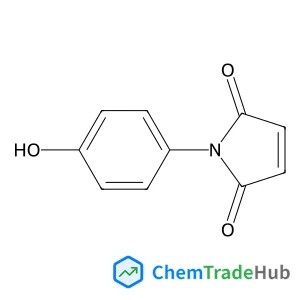
1-(4-Hydroxyphenyl)-1H-pyrrole-2,5-dione(CAS: 7300-91-6)
CAS Number
Related Products
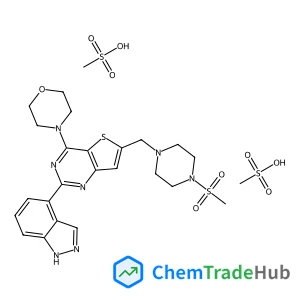
Pictilisib Bismesylate
CAS Number: 957054-33-0
![N-[3-(Trimethoxysilyl)propyl]-1-butanamine](https://static.chemtradehub.com/structs/310/31024-56-3-a83a.webp)
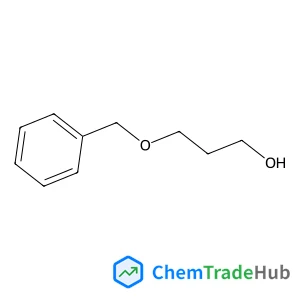
3-(Benzyloxy)-1-propanol
CAS Number: 4799-68-2
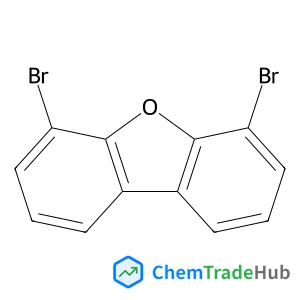
4,6-Dibromodibenzofuran
CAS Number: 201138-91-2
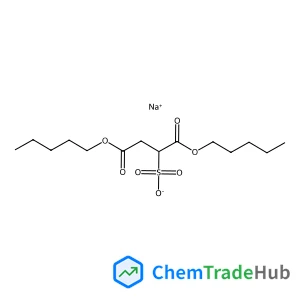
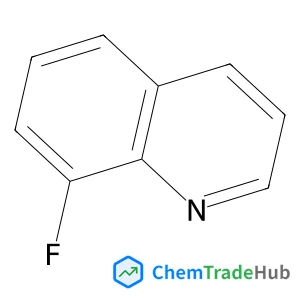
8-Fluoroquinoline
CAS Number: 394-68-3
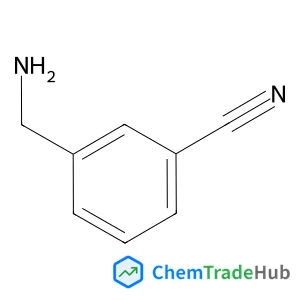
3-(Aminomethyl)benzonitrile
CAS Number: 10406-24-3
![N-({3-Chloro-4-[1,1,2-trifluoro-2-(trifluoromethoxy)ethoxy]phenyl}carbamoyl)-2,6-difluorobenzamide](https://static.chemtradehub.com/structs/116/116714-46-6-96f5.webp)
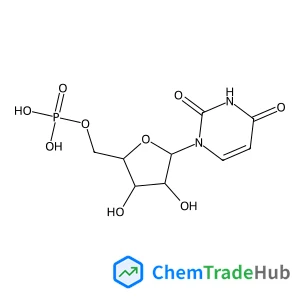
Other Suppliers for 1-(4-Hydroxyphenyl)-1H-pyrrole-2,5-dione




Basic Information
Molecular Formula
C10H7NO3
Molecular Weight
189.17 g/mol
Physical State
Pale-yellow to Yellow-brown Solid
Chemical Identifiers
SMILES
C1=CC(=CC=C1N2C(=O)C=CC2=O)O
InChIKey
BLLFPKZTBLMEFG-UHFFFAOYSA-N
Database References
MDL Number
MFCD00129167
FAQ
1-(4-Hydroxyphenyl)-1H-pyrrole-2,5-dione is a crystalline solid with a molecular weight of approximately 208.15 g/mol. It has a solubility of about 1.4 g/L in water, and its melting point is around 168-169°C. The compound is known for its acidic nature due to the presence of the hydroxy group, which can participate in hydrogen bonding. Chemically, it is relatively stable but can undergo ring-opening reactions under basic conditions.
1-(4-Hydroxyphenyl)-1H-pyrrole-2,5-dione can be synthesized by the condensation reaction of 4-hydroxybenzaldehyde with 2,5-dione, typically using a catalyst such as p-toluenesulfonic acid (p-TSA). The reaction is carried out in a suitable solvent like toluene or acetic acid, providing a yield of around 90%. The process involves the formation of an intermediate, which is then converted to the final product.
1-(4-Hydroxyphenyl)-1H-pyrrole-2,5-dione finds applications in various industries. It is used in the pharmaceutical sector for the synthesis of certain drugs, in the polymer industry as a photoinitiator, and in the semiconductor industry for the production of photoresists. Additionally, it is utilized in the development of sensors for detecting specific chemical compounds.
When handling 1-(4-Hydroxyphenyl)-1H-pyrrole-2,5-dione, it is important to wear appropriate personal protective equipment (PPE), including gloves, safety glasses, and a lab coat. The compound should be handled in a well-ventilated area or under a fume hood due to its potential for off-gassing. In case of a spill, it should be cleaned up using absorbent material and disposed of according to local regulations. Always refer to the Safety Data Sheet (SDS) for detailed safety information.
Safety Notice
Please verify product specifications and safety data before use. Contact the supplier for detailed safety information.
Always follow proper handling procedures

Contact Information
Contact Person
Manager Shao
service@nornachem.com
Mobile
17386138556
Telephone
027-59209883
Fax
027-59209883
Visit Website
https://www.nornachem.comAddress
Wuhan Economic and Technological Development Zone