



AD
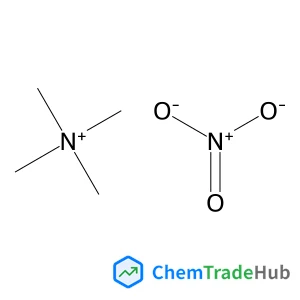
tetramethylazanium nitrate(CAS: 1941-24-8)
CAS Number
Related Products
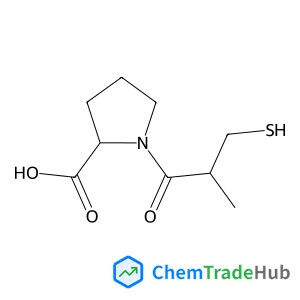
Captopril
CAS Number: 62571-86-2
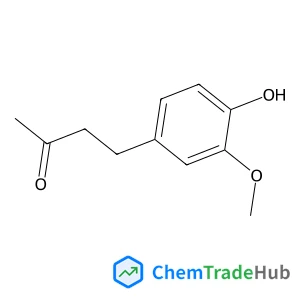
4-(4-Hydroxy-3-methoxyphenyl)-2-butanone
CAS Number: 122-48-5
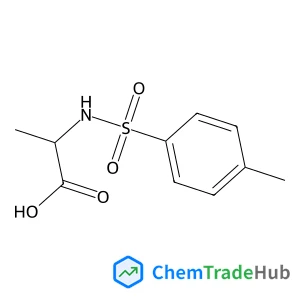
N-Tosyl-L-alanine
CAS Number: 21957-58-4

Alanyl-L-tyrosine
CAS Number: 3061-88-9

Octane-1,2,8-triol
CAS Number: 382631-43-8
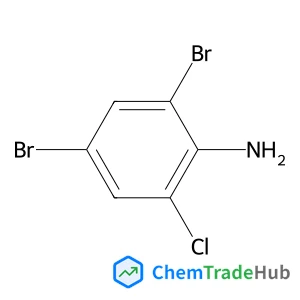
2,4-Dibromo-6-chloroaniline
CAS Number: 874-18-0
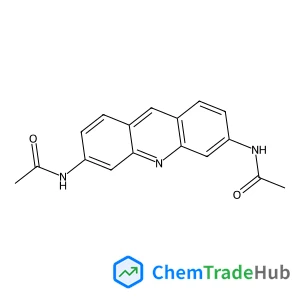
N,N'-3,6-Acridinediyldiacetamide
CAS Number: 15724-70-6
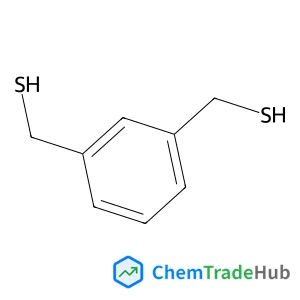
1,3-Phenylenedimethanethiol
CAS Number: 41563-69-3
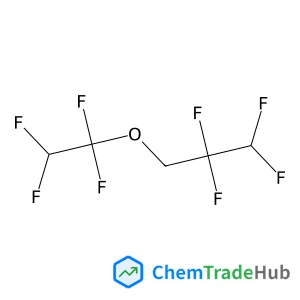
Other Suppliers for tetramethylazanium nitrate





Basic Information
Molecular Formula
C4H12N2O3
Molecular Weight
136.15 g/mol
Physical Properties
Melting Point
≥300 °C (lit.)
Boiling Point
250.42°C (rough estimate)
Flash Point
°C
Water Solubility
Soluble in water.
Chemical Identifiers
SMILES
C[N+](C)(C)C.[N+](=O)([O-])[O-]
InChIKey
QGPVYHSXZFOSRL-UHFFFAOYSA-N
Database References
MDL Number
MFCD00043103
FAQ
Tetramethylazanium nitrate (CAS: 1941-24-8) is a colorless to slightly yellow liquid with a molecular weight of approximately 149.13 g/mol. It is soluble in water and ethanol, and exhibits good stability under normal conditions. It can react readily with strong acids and bases, and forms explosive mixtures with organic materials.
Tetramethylazanium nitrate (CAS: 1941-24-8) is commonly synthesized by the reaction of nitric acid with tetramethylammonium hydroxide. The process involves careful temperature control to prevent decomposition and requires appropriate handling of reagents. The yield is typically around 85-90%, and the product is purified by crystallization.
Tetramethylazanium nitrate (CAS: 1941-24-8) is utilized in various industries, including pharmaceuticals where it serves as an intermediate for certain drugs, and in the production of explosive materials. It is also used in the synthesis of sensors and other chemical detectors, as well as in the electronics industry for manufacturing composite materials with specialized properties.
When handling tetramethylazanium nitrate (CAS: 1941-24-8), it is crucial to follow standard laboratory safety guidelines. Wear appropriate personal protective equipment (PPE) including gloves, goggles, and a lab coat. Work in a well-ventilated area or a fume hood to minimize inhalation risks. Store it in a cool, dry place away from heat and ignition sources. In case of spill, use appropriate absorbents and follow local safety regulations for disposal. Refer to the Safety Data Sheet (SDS) for detailed handling instructions.
Safety Notice
Please verify product specifications and safety data before use. Contact the supplier for detailed safety information.
Always follow proper handling procedures
Contact Information
Contact Person
Zhang Zeyuan
Sales-CN@TCIchemicals.com