



AD
(1S)-1,2,3,4-Tetrahydro-1-naphthalenamine(CAS: 23357-52-0)
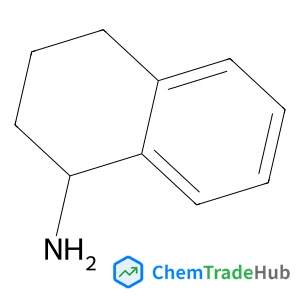
CAS Number
Related Products
![trans-4-({[(2-Methyl-2-propanyl)oxy]carbonyl}amino)cyclohexanecarboxylic acid](https://static.chemtradehub.com/structs/532/53292-89-0-caf0.webp)
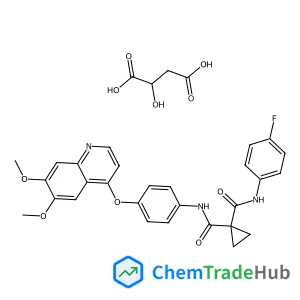
Cabozantinib s-malate
CAS Number: 1140909-48-3
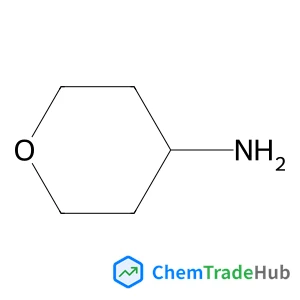
Tetrahydro-2H-pyran-4-amine
CAS Number: 38041-19-9
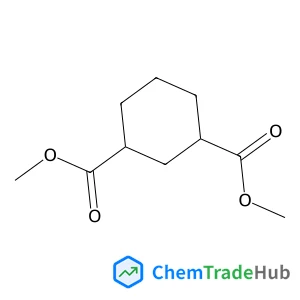
Dimethyl 1,3-cyclohexanedicarboxylate
CAS Number: 62638-06-6
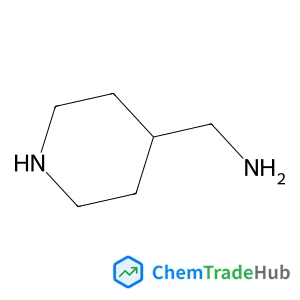
1-(4-Piperidinyl)methanamine
CAS Number: 7144-05-0
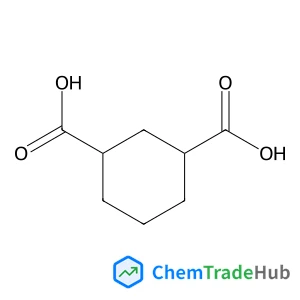
1,3-Cyclohexanedicarboxylic acid
CAS Number: 3971-31-1
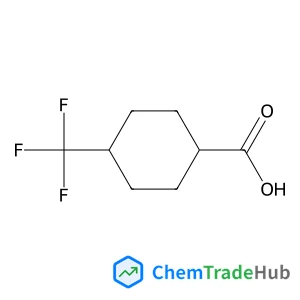
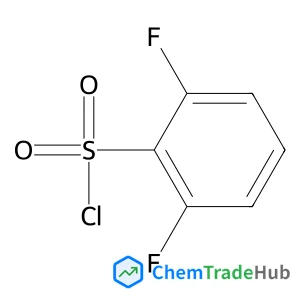
2,6-Difluorobenzenesulfonyl chloride
CAS Number: 60230-36-6
Other Suppliers for (1S)-1,2,3,4-Tetrahydro-1-naphthalenamine



Basic Information
Molecular Formula
C10H13N
Molecular Weight
147.22 g/mol
Physical State
Liquid
Physical Properties
Boiling Point
250 °C
Water Solubility
Soluble in water.
Chemical Identifiers
SMILES
C1CC(C2=CC=CC=C2C1)N
InChIKey
JRZGPXSSNPTNMA-JTQLQIEISA-N
Database References
MDL Number
MFCD00671630
Beilstein Registry Number
2360279
FAQ
(1S)-1,2,3,4-Tetrahydro-1-naphthalenamine is a white crystalline powder with a molecular weight of approximately 174.25. It has a low solubility in water but is more soluble in organic solvents like ethanol and acetone. Chemically, it is relatively stable under normal conditions but can react with strong oxidizing agents. It has a boiling point of around 280°C and a melting point of 85-87°C.
(1S)-1,2,3,4-Tetrahydro-1-naphthalenamine is usually synthesized via reduction of 1-naphthylacetic acid or by catalytic hydrogenation of 1-naphthylacetamide. The reaction typically requires a catalyst like palladium on carbon and is performed under mild hydrogen pressure. The yield is around 80-85%, with good selectivity to the desired stereochemistry.
(1S)-1,2,3,4-Tetrahydro-1-naphthalenamine is used in the pharmaceutical industry for the synthesis of certain drugs. It is also utilized in the polymer industry as a precursor for naphthylamine-based additives. Additionally, it has applications in the sensor and semiconductor industries due to its electronic properties.
When handling (1S)-1,2,3,4-Tetrahydro-1-naphthalenamine, it is important to wear protective gloves, goggles, and a lab coat. Work should be conducted in a well-ventilated area or a fume hood. Spills should be cleaned up using appropriate absorbents and waste should be disposed of according to local regulations. Always consult the Safety Data Sheet (SDS) for detailed handling guidelines.
Safety Notice
Please verify product specifications and safety data before use. Contact the supplier for detailed safety information.
Always follow proper handling procedures