



AD
4-(Trifluoromethyl)-2-pyridinecarboxylic acid(CAS: 588702-62-9)

CAS Number
Related Products
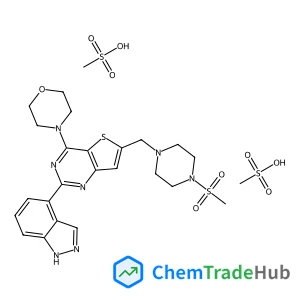
Pictilisib Bismesylate
CAS Number: 957054-33-0
![N-[3-(Trimethoxysilyl)propyl]-1-butanamine](https://static.chemtradehub.com/structs/310/31024-56-3-a83a.webp)
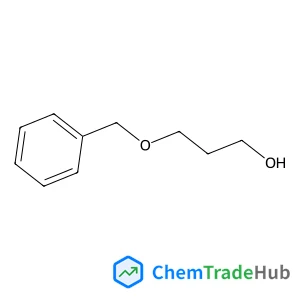
3-(Benzyloxy)-1-propanol
CAS Number: 4799-68-2
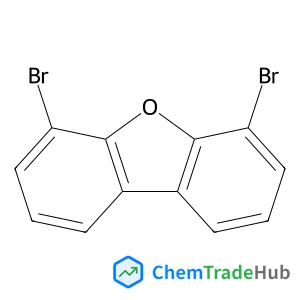
4,6-Dibromodibenzofuran
CAS Number: 201138-91-2
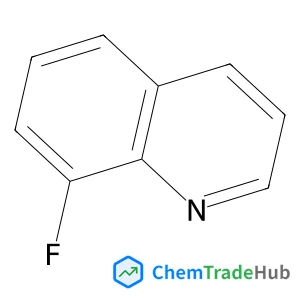
8-Fluoroquinoline
CAS Number: 394-68-3

3-(Aminomethyl)benzonitrile
CAS Number: 10406-24-3
![N-({3-Chloro-4-[1,1,2-trifluoro-2-(trifluoromethoxy)ethoxy]phenyl}carbamoyl)-2,6-difluorobenzamide](https://static.chemtradehub.com/structs/116/116714-46-6-96f5.webp)

Other Suppliers for 4-(Trifluoromethyl)-2-pyridinecarboxylic acid








Basic Information
Molecular Formula
C7H4F3NO2
Molecular Weight
191.11 g/mol
Physical Properties
Melting Point
157-162 °C
Boiling Point
293.6 °C at 760 mmHg
Density
1.484
Flash Point
293.6 °C at 760 mmHg
Chemical Identifiers
SMILES
C1=CN=C(C=C1C(F)(F)F)C(=O)O
InChIKey
BPRWTROIQXSSOC-UHFFFAOYSA-N
Database References
MDL Number
MFCD07438043
FAQ
4-(Trifluoromethyl)-2-pyridinecarboxylic acid is a crystalline solid with a molecular weight of approximately 218.09 g/mol. It has a low solubility in water but is soluble in common organic solvents such as ethanol and acetonitrile. The compound is relatively stable under normal conditions but can undergo hydrolysis in the presence of moisture. It has a pKa of around 4.5, indicating some acidity.
4-(Trifluoromethyl)-2-pyridinecarboxylic acid can be synthesized via a multi-step process involving the coupling of 2-bromopyridine with trifluoromethyl ketone followed by hydrolysis. The synthesis typically requires the use of catalytic amounts of a transition metal catalyst such as palladium and a base like triphenylphosphine. The product is obtained with good yield and selectivity.
4-(Trifluoromethyl)-2-pyridinecarboxylic acid is widely used in the pharmaceutical industry for the synthesis of complex molecules and intermediates. It is also utilized in the polymer industry as a monomer or additive, and in the semiconductor industry as a component in etching processes. Additionally, it plays a role in the development of sensors and other advanced materials.
When handling 4-(Trifluoromethyl)-2-pyridinecarboxylic acid, it is essential to wear appropriate personal protective equipment (PPE), including gloves, chemical goggles, and a lab coat. Work should be conducted in a well-ventilated area or a fume hood to minimize inhalation risks. Spills should be cleaned up promptly using appropriate absorbent materials, and the area should be flushed with water. Always consult the Safety Data Sheet (SDS) for detailed handling and emergency procedures.
Safety Notice
Please verify product specifications and safety data before use. Contact the supplier for detailed safety information.
Always follow proper handling procedures

Contact Information
Contact Person
Manager Shao
service@nornachem.com
Mobile
17386138556
Telephone
027-59209883
Fax
027-59209883
Visit Website
https://www.nornachem.comAddress
Wuhan Economic and Technological Development Zone