



AD
(R)-2-Benzhydrylpyrrolidine hydrochloride(CAS: 23627-61-4)
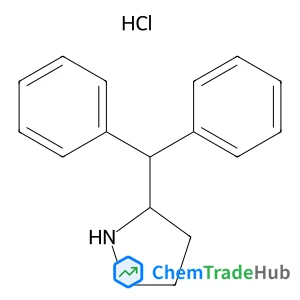
CAS Number
Related Products
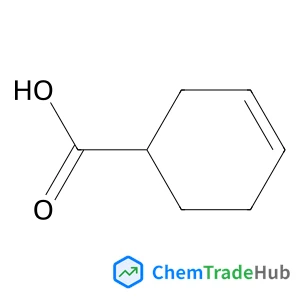
(1S)-3-Cyclohexene-1-carboxylic acid
CAS Number: 5708-19-0
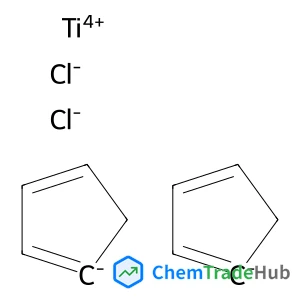
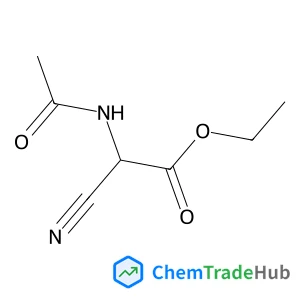
Ethyl Acetamidocyanoacetate
CAS Number: 4977-62-2
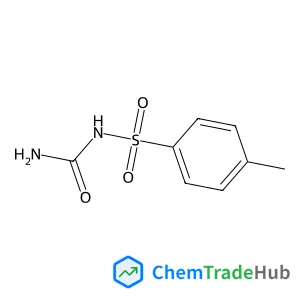
N-Carbamoyl-4-methylbenzenesulfonamide
CAS Number: 1694-06-0
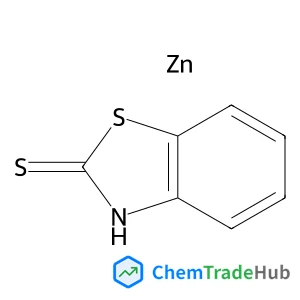
Zinc bis(1,3-benzothiazole-2-thiolate)
CAS Number: 155-04-4
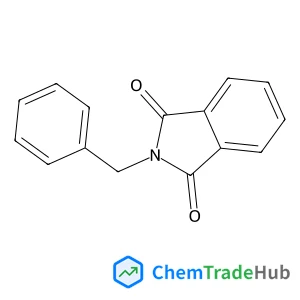
2-Benzyl-1H-isoindole-1,3(2H)-dione
CAS Number: 2142-01-0
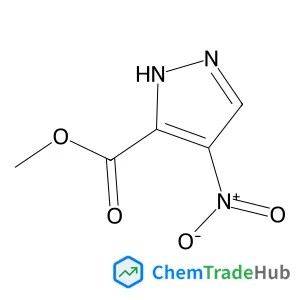
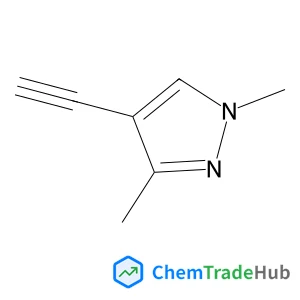
4-Ethynyl-1,3-dimethyl-1H-pyrazole
CAS Number: 61514-53-2
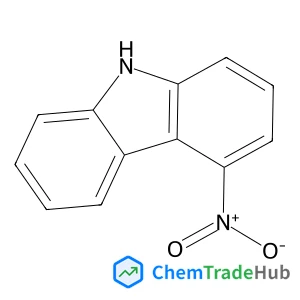
1-Nitro-9H-carbazole
CAS Number: 57905-76-7
Other Suppliers for (R)-2-Benzhydrylpyrrolidine hydrochloride





Basic Information
Molecular Formula
C17H20ClN
Molecular Weight
273.81 g/mol
Chemical Identifiers
SMILES
C1CC(NC1)C(C2=CC=CC=C2)C3=CC=CC=C3.Cl
InChIKey
KTGRJTGIWVDSKZ-PKLMIRHRSA-N
Database References
MDL Number
MFCD14702328
FAQ
(R)-2-Benzhydrylpyrrolidine hydrochloride is a white crystalline solid with a molecular weight of approximately 332.4 g/mol. It has a low solubility in water but is more soluble in organic solvents like methanol and ethanol. This compound is known for its moderate reactivity, particularly in nucleophilic substitution reactions. It is often used in pharmaceutical and chemical synthesis due to its stability and reactivity.
(R)-2-Benzhydrylpyrrolidine hydrochloride is typically synthesized through a multi-step process involving the formation of a pyrrolidine ring and subsequent reaction with a benzhydryl bromide derivative. The synthesis often requires the use of a Lewis acid catalyst and is known for its high yield and good selectivity, making it suitable for industrial applications.
(R)-2-Benzhydrylpyrrolidine hydrochloride is primarily used in the pharmaceutical industry for the synthesis of complex organic molecules and in the polymer industry for developing new materials with specific properties. It is also utilized in the production of sensors and semiconductors due to its unique chemical structure and reactivity.
When handling (R)-2-Benzhydrylpyrrolidine hydrochloride, it is essential to wear appropriate personal protective equipment (PPE), including gloves and safety goggles, to prevent skin and eye contact. Work should be conducted in a well-ventilated area with a fume hood to minimize inhalation risks. Spills should be cleaned up promptly using appropriate absorbent materials, and waste should be disposed of according to local regulations. Always refer to the Safety Data Sheet (SDS) for detailed handling instructions.
Safety Notice
Please verify product specifications and safety data before use. Contact the supplier for detailed safety information.
Always follow proper handling procedures
Contact Information
jacschem@163.com