



AD
1,3,5-Tribromo-2,4,6-trimethylbenzene(CAS: 608-72-0)
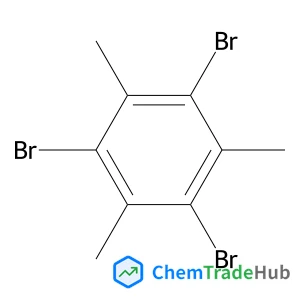
CAS Number
Related Products
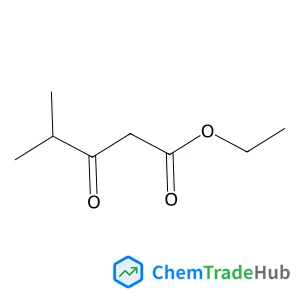
Ethyl 4-methyl-3-oxopentanoate
CAS Number: 7152-15-0
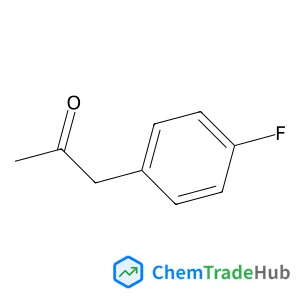
1-(4-Fluorophenyl)acetone
CAS Number: 459-03-0
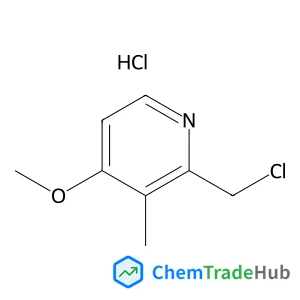
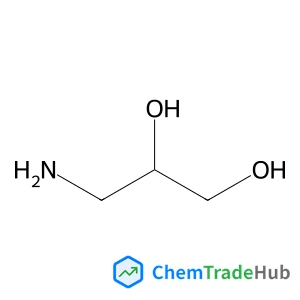
3-Amino-1,2-propanediol
CAS Number: 616-30-8
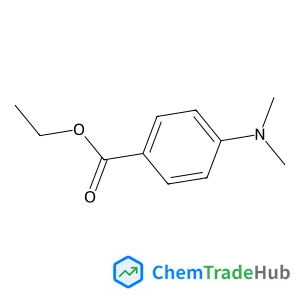
Ethyl 4-(dimethylamino)benzoate
CAS Number: 10287-53-3
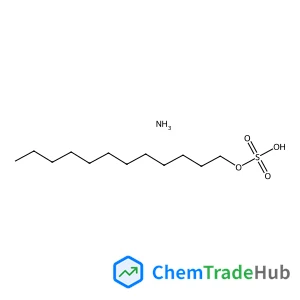
Ammonium dodecyl sulfate
CAS Number: 2235-54-3
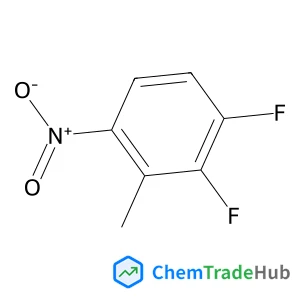
1,2-Difluoro-3-methyl-4-nitrobenzene
CAS Number: 914348-35-9
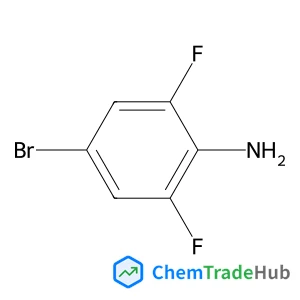
Abemaciclib Impurity 6
CAS Number: 67567-26-4
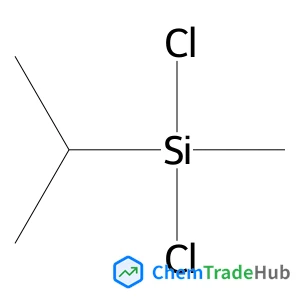
Dichloro(isopropyl)methylsilane
CAS Number: 18236-89-0
Other Suppliers for 1,3,5-Tribromo-2,4,6-trimethylbenzene




Basic Information
Molecular Formula
C9H9Br3
Molecular Weight
356.88 g/mol
Physical Properties
Melting Point
225.5-226.5 ºC
Density
1.910±0.06 g/cm3 (20 ºC 760 Torr),
Chemical Identifiers
SMILES
Cc1c(Br)c(C)c(c(c1Br)C)Br
InChIKey
LTSSSVHTLGQZAQ-UHFFFAOYSA-N
Database References
MDL Number
MFCD00155003
FAQ
1,3,5-Tribromo-2,4,6-trimethylbenzene (CAS: 608-72-0) is a solid at room temperature with a crystalline form. Its molecular weight is approximately 336.06 g/mol. It has low solubility in water but is more soluble in organic solvents like benzene and toluene. Chemically, it is highly reactive due to the presence of bromine and methyl groups, making it susceptible to substitution reactions.
1,3,5-Tribromo-2,4,6-trimethylbenzene is typically synthesized through the bromination of 1,3,5-trimethylbenzene in the presence of a Lewis acid catalyst, such as aluminum bromide. The reaction involves the addition of bromine across the aromatic ring, followed by a series of steps to ensure high selectivity and yield.
1,3,5-Tribromo-2,4,6-trimethylbenzene (CAS: 608-72-0) is used in the pharmaceutical industry for the synthesis of certain drug intermediates. It also finds applications in the polymer industry as a flame retardant additive. Additionally, it is used in the production of sensors and as a precursor in the semiconductor industry.
When handling 1,3,5-Tribromo-2,4,6-trimethylbenzene (CAS: 608-72-0), appropriate personal protective equipment (PPE) such as gloves, goggles, and a lab coat should be worn. The reaction should be conducted in a well-ventilated area or a fume hood. Spills should be handled by professional chemical spill response teams, and the Material Safety Data Sheet (MSDS) or Safety Data Sheet (SDS) should be consulted for detailed safety information.
Safety Notice
Please verify product specifications and safety data before use. Contact the supplier for detailed safety information.
Always follow proper handling procedures
Contact Information
Contact Person
Yang Qin
1462312301@qq.com