



AD
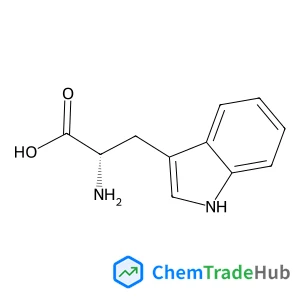
(2S)-2-amino-3-(1H-indol-3-yl)propanoic acid(CAS: 73-22-3)
CAS Number
Related Products
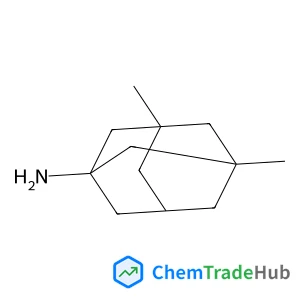
3,5-Dimethyl-1-adamantanamine
CAS Number: 19982-08-2
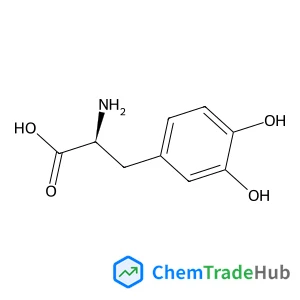
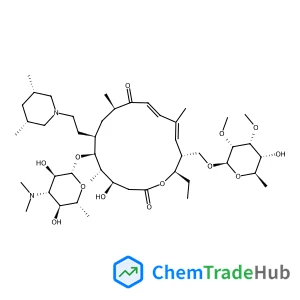
Tilmicosin
CAS Number: 108050-54-0
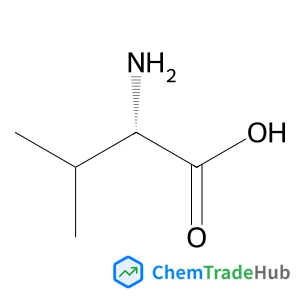
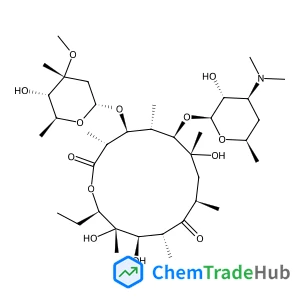
Erythromycin
CAS Number: 114-07-8
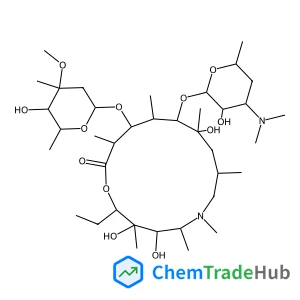
Azithromycin
CAS Number: 83905-01-5
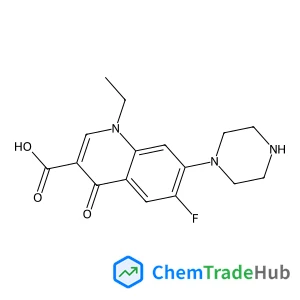
Other Suppliers for (2S)-2-amino-3-(1H-indol-3-yl)propanoic acid

Basic Information
Molecular Formula
C11H12N2O2
Molecular Weight
204.23 g/mol
Physical Properties
Melting Point
280-285 °C (dec.) (lit.)
Boiling Point
447.9℃ at 760 mmHg
Density
1.34
Water Solubility
11.4G/L(25ºC)
Chemical Identifiers
SMILES
N[C@@H](Cc1c[nH]c2ccccc12)C(=O)O
InChIKey
QIVBCDIJIAJPQS-VIFPVBQESA-N
Database References
MDL Number
MFCD00064340
Beilstein Registry Number
86197
FAQ
(2S)-2-amino-3-(1H-indol-3-yl)propanoic acid, also known as L-tryptophan, is an essential amino acid with the molecular formula C11H12N2O2. It is a key precursor in the biosynthesis of serotonin and niacin. L-tryptophan is used in the body to support neurotransmitter function and is also a vital component in protein synthesis. Due to its unique structure, it plays a significant role in various biochemical pathways and is widely studied in both research and pharmaceutical contexts.
L-tryptophan is primarily used in pharmaceuticals to treat conditions like insomnia and depression by influencing serotonin levels. It is also used in the production of niacin and melatonin. In the food industry, it serves as a dietary supplement and flavor enhancer. Additionally, it is essential in research for studying amino acid metabolism and neurochemical processes. Its presence in natural proteins makes it a critical amino acid for human nutrition.
L-tryptophan is generally considered safe when consumed in recommended amounts. However, it should be handled with care to avoid skin contact and inhalation. Safety standards emphasize proper storage and use in controlled environments. In pharmaceutical applications, it is regulated to ensure quality and efficacy. Individuals with specific health conditions should consult a healthcare provider before use.
L-tryptophan should be stored in a cool, dry, and dark place, ideally at 20-25°C. It is sensitive to moisture and light, so airtight containers are recommended. Maintaining low humidity levels helps preserve its stability and potency. Proper storage prevents degradation and ensures safe handling. Always store away from incompatible substances and follow labeling instructions for optimal results.
Safety Notice
Please verify product specifications and safety data before use. Contact the supplier for detailed safety information.
Always follow proper handling procedures