



AD
4-fluoropyridine(CAS: 694-52-0)
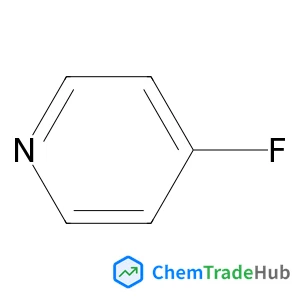
CAS Number
Related Products
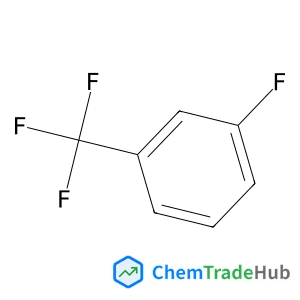
1-Fluoro-3-(trifluoromethyl)benzene
CAS Number: 401-80-9
5-Bromo-2-fluorotoluene
CAS Number: 51743-00-4
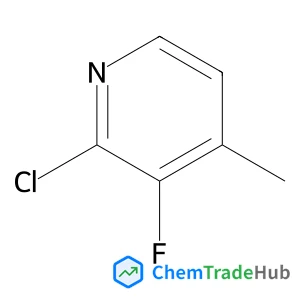
2-Chloro-3-fluoro-4-methylpyridine
CAS Number: 881891-82-3
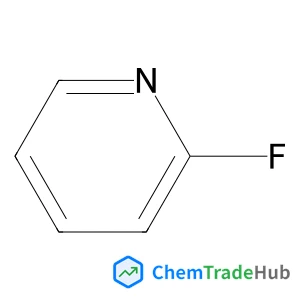
2-Fluoropyridine
CAS Number: 372-48-5
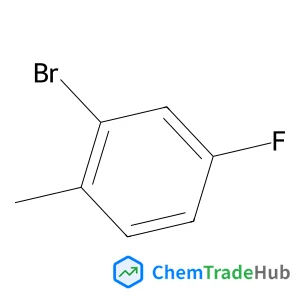
2-Bromo-4-fluoro-1-methylbenzene
CAS Number: 1422-53-3

4-Bromo-2-(trifluoromethyl)aniline
CAS Number: 445-02-3
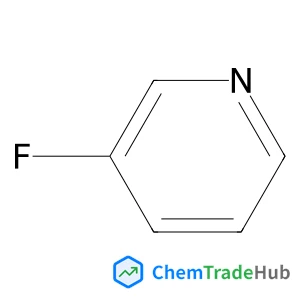
3-Fluoropyridine
CAS Number: 372-47-4
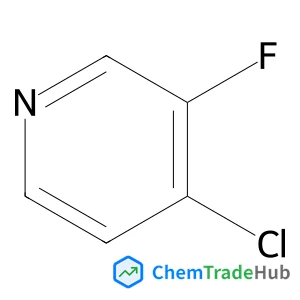
4-Chloro-3-fluoropyridine
CAS Number: 2546-56-7
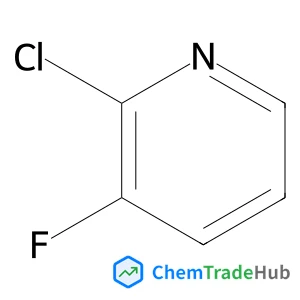
2-chloro-3-fluoropyridine
CAS Number: 17282-04-1
Other Suppliers for 4-fluoropyridine





Basic Information
Molecular Formula
C5H4FN
Molecular Weight
97.09 g/mol
Physical Properties
Boiling Point
104-105℃(lit.)
Chemical Identifiers
SMILES
C1=CN=CC=C1F
InChIKey
TTYVECQWCUJXCS-UHFFFAOYSA-N
Database References
MDL Number
MFCD04039315
FAQ
4-Fluoropyridine (CAS: 694-52-0) is a crystalline solid with a molecular weight of 117.02 g/mol. It is slightly soluble in water but soluble in organic solvents like ethanol and acetone. Chemically, it is relatively stable but can react with strong bases and reductants. It is a key intermediate in the synthesis of various pharmaceuticals and materials.
4-Fluoropyridine (CAS: 694-52-0) is often synthesized via the nitration of pyridine followed by reduction of the nitrated product. Alternatively, it can be prepared by chlorination of pyridine and subsequent reduction. The synthesis typically requires the use of concentrated sulfuric acid as a catalyst and involves careful control of reaction conditions to achieve high selectivity and yield.
4-Fluoropyridine (CAS: 694-52-0) is widely used in the pharmaceutical industry for the synthesis of antiviral and antiparasitic drugs. It also finds applications in the production of electronic materials, specifically in the development of organic light-emitting diodes (OLEDs) and organic semiconductors. Additionally, it is used in the production of certain dyes and polymers.
When handling 4-fluoropyridine (CAS: 694-52-0), it is essential to wear appropriate personal protective equipment (PPE) such as gloves, goggles, and a laboratory coat. Work should be conducted in a well-ventilated area or a fume hood to avoid inhalation of fumes. Spills should be cleaned up using appropriate materials and procedures as outlined in the safety data sheet (SDS). Always refer to the SDS for detailed safety information and guidelines.
Safety Notice
Please verify product specifications and safety data before use. Contact the supplier for detailed safety information.
Always follow proper handling procedures
Contact Information
Contact Person
Zhang Yuzhu