



AD
4-Chloro-4-phenyldihydro-2H-pyran-2,6(3H)-dione(CAS: 182955-12-0)
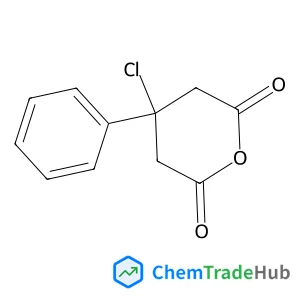
CAS Number
Related Products
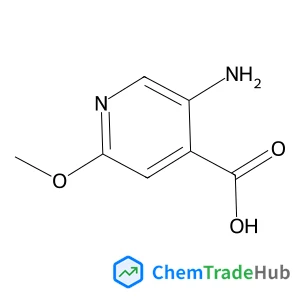
5-Amino-2-methoxyisonicotinic acid
CAS Number: 183741-91-5

Ethyl chloro(difluoro)acetate
CAS Number: 383-62-0
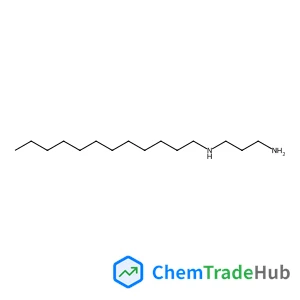
N-Dodecyl-1,3-propanediamine
CAS Number: 5538-95-4

Pyridine hydrobromide (1:1)
CAS Number: 18820-82-1

dioxotantaliooxy(dioxo)tantalum
CAS Number: 1314-61-0

3-Nitro-5-(trifluoromethyl)benzoic acid
CAS Number: 328-80-3

Hydrazine hydrochloride (1:1)
CAS Number: 2644-70-4
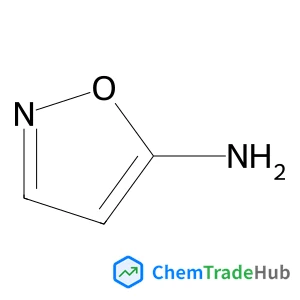
1,2-Oxazol-5-amine
CAS Number: 14678-05-8

1-Fluoro-4-(trichloromethyl)benzene
CAS Number: 402-42-6
Other Suppliers for 4-Chloro-4-phenyldihydro-2H-pyran-2,6(3H)-dione



Basic Information
Molecular Formula
C11H9ClO3
Molecular Weight
224.64 g/mol
EINECS
258-858-9
Physical Properties
Melting Point
128-130°C
Boiling Point
393.2°C at 760 mmHg
Chemical Identifiers
SMILES
c1ccc(cc1)C2(CC(=O)OC(=O)C2)Cl
InChIKey
VRXWKAZGXDFQHU-UHFFFAOYSA-N
Database References
MDL Number
MFCD00190250
FAQ
4-Chloro-4-phenyldihydro-2H-pyran-2,6(3H)-dione (CAS: 182955-12-0) is a white to off-white crystalline solid with a molecular weight of approximately 258.07 g/mol. It is slightly soluble in water and more soluble in organic solvents such as ethanol and acetone. This compound is reactive towards nucleophiles and electrophiles, making it suitable for various synthetic transformations. It exhibits good stability under normal laboratory conditions.
4-Chloro-4-phenyldihydro-2H-pyran-2,6(3H)-dione (CAS: 182955-12-0) is typically synthesized via the reaction of 4-chloro-1,3-dioxolan-2-one with phenylmagnesium bromide followed by acid work-up. The reaction is catalyzed by a strong base such as sodium hydride, and yields approximately 80-85% of the desired product. The method is selective and efficient for obtaining the compound in high purity.
4-Chloro-4-phenyldihydro-2H-pyran-2,6(3H)-dione (CAS: 182955-12-0) is used in the pharmaceutical industry for the synthesis of certain drugs, particularly those involved in anti-inflammatory and analgesic applications. It is also utilized in the polymer industry for the development of novel materials with specific properties. Additionally, it has applications in sensor technology and semiconductor manufacturing due to its unique chemical reactivity.
When handling 4-Chloro-4-phenyldihydro-2H-pyran-2,6(3H)-dione (CAS: 182955-12-0), it is essential to use appropriate personal protective equipment (PPE) such as gloves, goggles, and a lab coat to prevent skin and eye contact. Work must be conducted in a well-ventilated area or a fume hood to minimize inhalation risks. Spills should be cleaned up using absorbent materials and the area should be decontaminated. Always refer to the Safety Data Sheet (SDS) for detailed handling and disposal instructions.
Safety Notice
Please verify product specifications and safety data before use. Contact the supplier for detailed safety information.
Always follow proper handling procedures
Contact Information
1711004516@qq.com
Mobile
18971625309
Telephone
027-87892127
Fax
027-87891008
Visit Website
http://www.cswchem.com