



AD
Diphenylphosphinic acid(CAS: 1707-03-5)
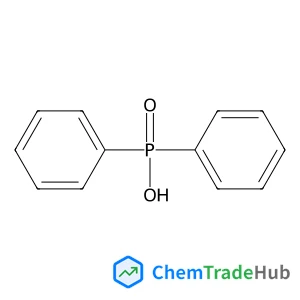
CAS Number
Related Products
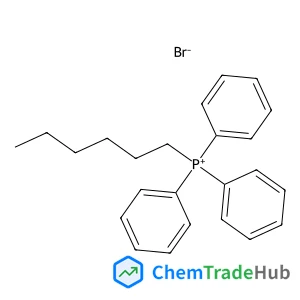
Hexyl(triphenyl)phosphonium bromide
CAS Number: 4762-26-9
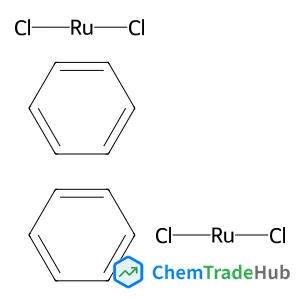
Benzene - dichlororuthenium (1:1)
CAS Number: 37366-09-9
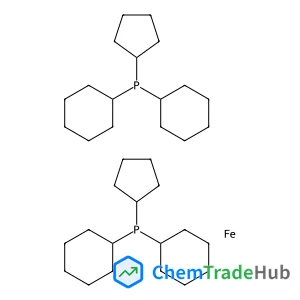
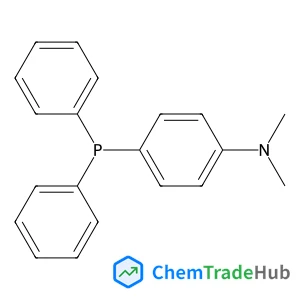
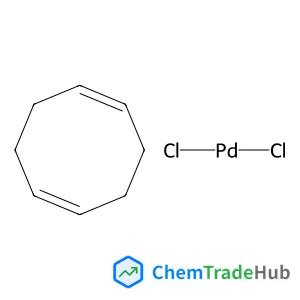
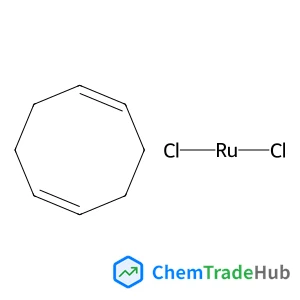
cycloocta-1,5-diene;dichlororuthenium
CAS Number: 50982-12-2
![Cyclohexyl[bis(2-methyl-2-propanyl)]phosphine](https://static.chemtradehub.com/structs/436/436865-11-1-e853.webp)
![[2',6'-bis(propan-2-yloxy)-[1,1'-biphenyl]-3-yl]dicyclohexylphosphane](https://static.chemtradehub.com/structs/787/787618-22-8-dda2.webp)
Other Suppliers for Diphenylphosphinic acid



Basic Information
Molecular Formula
C12H11O2P
Molecular Weight
218.19 g/mol
Physical Properties
Melting Point
193.0 to 197.0 deg-C
Boiling Point
446.2℃ at 760 mmHg
Density
1.2500
Flash Point
223.7℃
Water Solubility
Soluble in water.
Chemical Identifiers
SMILES
C1=CC=C(C=C1)P(=O)(C2=CC=CC=C2)O
InChIKey
BEQVQKJCLJBTKZ-UHFFFAOYSA-N
Database References
MDL Number
MFCD00002132
Beilstein Registry Number
2804567
FAQ
Diphenylphosphinic acid (CAS: 1707-03-5) is a crystalline compound with a molecular weight of approximately 250.25 g/mol. It is slightly soluble in water and ethanol. Chemically, it is known for its acidity and reactivity towards various functional groups, making it useful in organic synthesis and analytical chemistry. It has a melting point of 104-105°C and a density of 1.32 g/cm³.
Diphenylphosphinic acid is typically synthesized by the reaction of phenylphosphine with phosphorus trichloride, followed by hydrolysis. The reaction involves the conversion of phenylphosphine to phosphorus oxychloride, which then reacts with water to form the acid. This process requires careful control of temperature and pressure to achieve high yield and selectivity.
Diphenylphosphinic acid (CAS: 1707-03-5) is used in various industries, including pharmaceuticals for the synthesis of certain drugs, polymers for the modification of materials, sensors for chemical detection, and semiconductors for electronic applications. Its acidic nature makes it valuable in these sectors for catalysis, derivatization, and analytical purposes.
When handling Diphenylphosphinic acid (CAS: 1707-03-5), it is important to use personal protective equipment (PPE), including gloves, goggles, and a lab coat. Work should be conducted in a well-ventilated fume hood to minimize inhalation risks. Spills should be cleaned up with appropriate absorbents, and the area should be thoroughly washed down. Always consult the Safety Data Sheet (SDS) for detailed handling and emergency procedures.
Safety Notice
Please verify product specifications and safety data before use. Contact the supplier for detailed safety information.
Always follow proper handling procedures
Contact Information
chemrocking@bjgreenchem.com