



AD
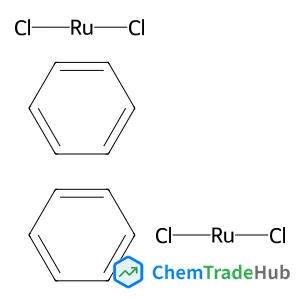
Benzene - dichlororuthenium (1:1)(CAS: 37366-09-9)
CAS Number
Related Products
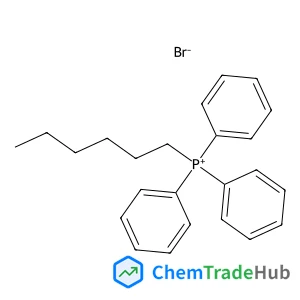
Hexyl(triphenyl)phosphonium bromide
CAS Number: 4762-26-9
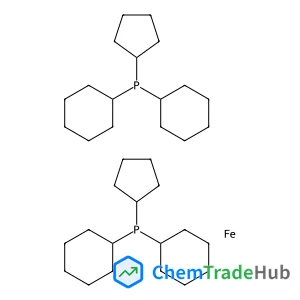
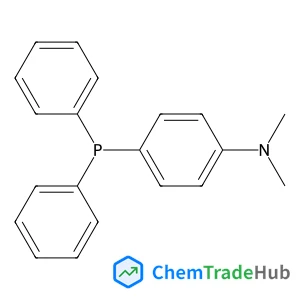
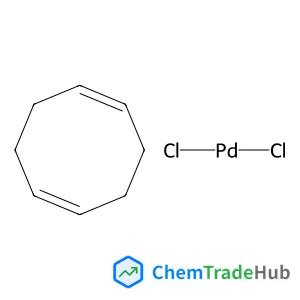
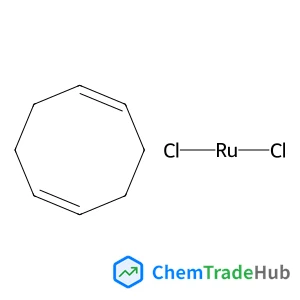
cycloocta-1,5-diene;dichlororuthenium
CAS Number: 50982-12-2
![Cyclohexyl[bis(2-methyl-2-propanyl)]phosphine](https://static.chemtradehub.com/structs/436/436865-11-1-e853.webp)

![[2',6'-bis(propan-2-yloxy)-[1,1'-biphenyl]-3-yl]dicyclohexylphosphane](https://static.chemtradehub.com/structs/787/787618-22-8-dda2.webp)
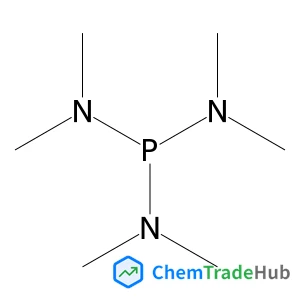
Other Suppliers for Benzene - dichlororuthenium (1:1)




Basic Information
Molecular Formula
C12H12Cl4Ru2
Molecular Weight
500.2 g/mol
Physical Properties
Melting Point
250℃
Chemical Identifiers
SMILES
C1=CC=CC=C1.C1=CC=CC=C1.Cl[Ru]Cl.Cl[Ru]Cl
InChIKey
YGXMUPKIEHNBNQ-UHFFFAOYSA-J
Database References
MDL Number
MFCD00064686
FAQ
Benzene - dichlororuthenium (1:1) (CAS: 37366-09-9) falls under the scope of the REACH regulations in the EU, which requires registration of substances above a certain tonnage threshold. It also complies with GHS classification, which categorizes it as a hazardous substance due to its reactivity and potential to form explosive mixtures. In the US, it is regulated by the EPA under the Toxic Substance Control Act (TSCA). Additionally, FDA regulations may apply if it is used in pharmaceutical or food contact applications.
Alternatives to Benzene - dichlororuthenium (1:1) (CAS: 37366-09-9) in synthesis include other transition metal complexes and organometallic compounds. For instance, using ruthenium complexes with different ligands or other metal complexes such as palladium or platinum complexes can serve similar purposes. However, the choice of alternative depends on the specific reaction conditions and desired product characteristics.
The market and research trends for Benzene - dichlororuthenium (1:1) (CAS: 37366-09-9) are primarily focused on its use in catalytic reactions, particularly in the field of organic synthesis. Recent research is exploring its applications in asymmetric catalysis and in the development of novel organometallic reagents. Demand is driven by the pharmaceutical and chemical industries, but there are concerns regarding its environmental impact and safety, which may affect future research and market trends.
Waste containing Benzene - dichlororuthenium (1:1) (CAS: 37366-09-9) should be collected in appropriate containers and stored separately to prevent contamination. It should be disposed of by incineration or via professional waste disposal services that comply with local regulations. Environmental protection measures include ensuring proper ventilation and using personal protective equipment (PPE) during handling. Safe disposal is crucial to prevent environmental pollution and ensure worker safety.
Safety Notice
Please verify product specifications and safety data before use. Contact the supplier for detailed safety information.
Always follow proper handling procedures
Contact Information
chemrocking@bjgreenchem.com