![[3-Chloro-5-(diethylcarbamoyl)phenyl]boronic acid structure](https://static.chemtradehub.com/structs/957/957120-59-1-febc.webp "[3-Chloro-5-(diethylcarbamoyl)phenyl]boronic acid structure")
[3-Chloro-5-(diethylcarbamoyl)phenyl]boronic acid
CAS Number:
957120-59-1
Molecular Formula:
C11H15BClNO3
Wen Si, Xin Dai, Shiping He
The desirability of superamphiphobic surfaces, which possess both superhydrophobic and superoleophobic properties, for practical applications stems from their enhanced adaptability in oil-contaminated environments when compared to superhydrophobic surfaces. However, achieving superamphiphobic surfaces with adjustable oil adhesion through a simple, cost-effective, and reproducible fabrication process has proven challenging for researchers. This study presents an approach that combines laser etching with a chemical method to obtain superamphiphobic copper surfaces which demonstrated UV and corrosion resistance, as well as adjustable oil adhesion. The modified copper surface shows superamphiphobic properties, indicated by contact angles greater than 150° for water, colza oil, n-hexadecane, and crude oil. Significantly, the presence of concave-down micro/nano reentrant structures is found to be crucial in generating superamphiphobic properties. Additionally, the surface exhibits outstanding resistance to strong acids, strong alkalis, and saturated sodium chloride solutions. Even following a 48-hour exposure to UV irradiation, the contact angles for water and oil remain above 150°, demonstrating sustained UV resistance of the surface. Additionally, when in contact with water and crude oil, the surface exhibits outstanding anti-fouling and self-cleaning capabilities. Notably, the dimensions of the laser-etched grooves on the modified copper surface are adjusted, enabling customizable oil adhesion and controlled oil droplet transportation.

Journal of Heterocyclic Chemistry

Proceedings of the National Academy of Sciences of the United States of America

Journal of Organometallic Chemistry

Molecular Pharmacology

Journal of Catalysis

Journal of Physics and Chemistry of Solids

Nature

Pharmacological Reviews

Organic Preparations and Procedures International

Science
B. D. Gervasoni, G. N. Khairallah, R. A. J. O'Hair, U. Wille
DOI: 10.1039/C4CP06056C
Titikan Somboon, Prapin Wilairat, Stefan C. Müller, On-Uma Kheowan
DOI: 10.1039/C4CP05420B
Subrata Maji, Piyush Kanti Sarkar, Leena Aggarwal, Sujoy Kumar Ghosh, Dipankar Mandal, Goutam Sheet, Somobrata Acharya
DOI: 10.1039/C5CP00218D
I. Esnal, G. Duran-Sampedro, A. R. Agarrabeitia, J. Bañuelos, I. García-Moreno, M. A. Macías, E. Peña-Cabrera, I. López-Arbeloa, S. de la Moya, M. J. Ortiz
DOI: 10.1039/C5CP00193E
Suzanne M. Neidhart, Brian M. Barngrover, Christine M. Aikens
DOI: 10.1039/C4CP04314F
S. Chevreux, R. Paulino Neto, C. Allain, K. Nakatani, P. Jacques, I. Ciofini, G. Lemercier
DOI: 10.1039/C4CP05661B
M. Takacs, J. R. Scheffe, A. Steinfeld
DOI: 10.1039/C4CP04916K
Julien Guthmuller, Philipp Marquetand
DOI: 10.1039/C4CP05280C
Asghar Aryanfar, Daniel J. Brooks, Agustín J. Colussi, Boris V. Merinov, William A. Goddard III, Michael R. Hoffmann
DOI: 10.1039/C4CP05786D
Jesus Nieto-Pescador, Baxter Abraham, Allen J. Pistner, Joel Rosenthal
DOI: 10.1039/C5CP00296F
Waste containing 2-Ethyl-4-Methyl-1H-Imidazole-5-Carbaldehyde (CAS: 88634-80-4) ...
Triethoxy(octyl)silane (CAS: 1385031-14-0) is widely used in the pharmaceuticals...
Several alternatives to 3-iodo-7-nitro-1H-indazole (CAS: 864724-64-1) exist in t...
Yes, there are alternatives to Benzene, bis[(trimethoxysilyl)ethyl] (CAS: 266317...
Isothiazole-3-carbonitrile (CAS: 1452-17-1) is generally considered safe when us...
(3-Chlorophenyl)methanol (CAS: 873-63-2) is considered low to moderately toxic. ...
(2S,3S)-2-Hydroxy-3-({[(2-methyl-2-propanyl)oxy]carbonyl}amino)-3-(2-naphthyl)pr...
Proper handling of methyl 2-(bromomethyl)-5-methoxybenzoate requires the use of ...
6,8-Dibromoimidazo[1,2-a]pyridine-2-carboxylic acid (CAS: 904805-36-3) is an aro...
3-Amino-5-bromo-2-pyridinecarbonitrile is considered safe when handled under pro...

Journal of Materials Chemistry A, B & C cover high quality studies across all fields of materials chemistry. The journals focus on those theoretical or experimental studies that report new understanding, applications, properties and synthesis of materials. The journals have a strong history of publishing quality reports of interest to interdisciplinary communities and providing an efficient and rigorous service through peer review and publication. The journals are led by an international team of Editors-in-Chief and Associate Editors who are all active researchers in their fields. Journal of Materials Chemistry A, B & C are separated by the intended application of the material studied. Broadly, applications in energy and sustainability are of interest to Journal of Materials Chemistry A, applications in biology and medicine are of interest to Journal of Materials Chemistry B, and applications in optical, magnetic and electronic devices are of interest to Journal of Materials Chemistry C. More than one Journal of Materials Chemistry journal may be suitable for certain fields and researchers are encouraged to submit their paper to the journal that they feel best fits for their particular article. Example topic areas within the scope of Journal of Materials Chemistry A are listed below. This list is neither exhaustive nor exclusive. Artificial photosynthesis Batteries Carbon dioxide conversion Catalysis Fuel cells Gas capture/separation/storage Green/sustainable materials Hydrogen generation Hydrogen storage Photocatalysis Photovoltaics Self-cleaning materials Self-healing materials Sensors Supercapacitors Thermoelectrics Water splitting Water treatment
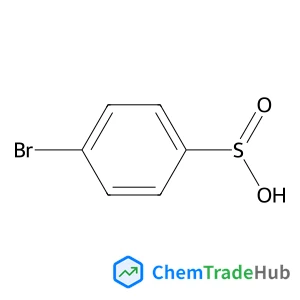
![4,4'-[2,5-Biphenyldiylbis(oxy)]dianiline structure](https://static.chemtradehub.com/structs/941/94148-67-1-24c6.webp "4,4'-[2,5-Biphenyldiylbis(oxy)]dianiline structure")