












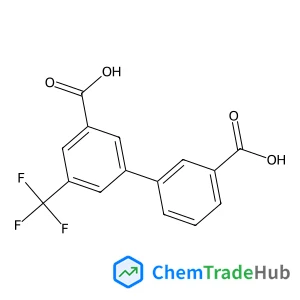
3-(3-Carboxyphenyl)-5-(trifluoromethyl)benzoic acid
CAS Number:
1261930-96-4
Molecular Formula:
C15H9F3O4
Xiu Li, Ziwei Li, Jianxiang Shen, Zijian Zheng, Jun Liu
Fully understanding the mechanism by which nanoparticles (NPs) strengthen polymer matrices is crucial for fabricating high-performance polymer nanocomposites (PNCs). Herein, coarse-grained molecular dynamics simulations were adopted to explicitly investigate the reinforcing effect of a NP network. Our results revealed that increasing the NP–NP interactions induced the self-assembly of NPs into a three-dimensional (3D) network that reinforced the polymer matrix. The reinforcing mechanism of NP–NP interactions was quite different from that of NP–polymer interactions. The latter promoted the orientation of polymer chains to transfer the external stress, while the former distributed the stress throughout the NP network. This work revealed the mechanism by which the NP network reinforced the polymer matrix at the molecular level and also provided guidelines for developing high performance PNCs via interfacial modification.
Xin Zeng, Stevin S. Pramana, Sudip K. Batabyal, Xiaodong Chen, K. B. Jinesh
DOI: 10.1039/C3CP43470B
Yuuki Mogami, Yasuto Noda, Hiroto Ishikawa, K. Takegoshi
DOI: 10.1039/C3CP43778G
Shinji Aono, Takashi Hosoya, Shigeyoshi Sakaki
DOI: 10.1039/C3CP43892A
Paul E. Crider, Matthias Vonderach, Patrick Weis
DOI: 10.1039/C2CP43808A
Xiaowei Li, Shunhong Zhang, Qian Wang
DOI: 10.1039/C3CP44660C
Lijia Liu, Tsun-Kong Sham, Weiqiang Han
DOI: 10.1039/C3CP50498K
Kotaro Fujii, Hiroki Kato, Kazuki Omoto, Jun Chen, Xianran Xing
DOI: 10.1039/C3CP50236H
Diana Yepes, Oscar Donoso-Tauda, Patricia Pérez, Pablo Jaque
DOI: 10.1039/C3CP44197K
Rebecca C. Quardokus, Natalie A. Wasio, Ryan P. Forrest, Craig S. Lent, Steven A. Corcelli, John A. Christie, Kenneth W. Henderson, S. Alex Kandel
DOI: 10.1039/C3CP50225B
4-Benzyl-2,2-dimethylmorpholine is generally considered safe when handled under ...
(5,6-Dimethoxy-3-pyridinyl)boronic acid is a chemical compound with the molecula...
1,1,3,3-Tetramethyl-1,3-bis(2-methyl-2-propanyl)disiloxane is synthesized throug...
(2R,4S)-1-Boc-4-methylpyrrolidine-2-carboxylic acid is primarily used as a build...
When handling 2,3-Dichloroacrylonitrile, it is crucial to wear appropriate perso...
(S)-1-(o-Tolyl)ethanamine hydrochloride should be stored in a cool, dry place to...
Benzyl [1-(hydroxyamino)-1-imino-2-methyl-2-propanyl]carbamate (CAS: 518047-98-8...
2-Methyloxazole-5-carbaldehyde is used in the pharmaceutical industry for the sy...
The market for 2-Methyl-2-propanyl 4-[(1S)-1-hydroxyethyl]-1-piperidinecarboxyla...
1-Butyl-3-methylpyridinium bromide is generally considered safe for laboratory u...

Physical Chemistry Chemical Physics (PCCP) is an international journal co-owned by 19 physical chemistry and physics societies from around the world. This journal publishes original, cutting-edge research in physical chemistry, chemical physics and biophysical chemistry. To be suitable for publication in PCCP, articles must include significant innovation and/or insight into physical chemistry; this is the most important criterion that reviewers and Editors will judge against when evaluating submissions. The journal has a broad scope and welcomes contributions spanning experiment, theory, computation and data science. Topical coverage includes spectroscopy, dynamics, kinetics, statistical mechanics, thermodynamics, electrochemistry, catalysis, surface science, quantum mechanics, quantum computing and machine learning. Interdisciplinary research areas such as polymers and soft matter, materials, nanoscience, energy, surfaces/interfaces, and biophysical chemistry are welcomed if they demonstrate significant innovation and/or insight into physical chemistry. Joined experimental/theoretical studies are particularly appreciated when complementary and based on up-to-date approaches.
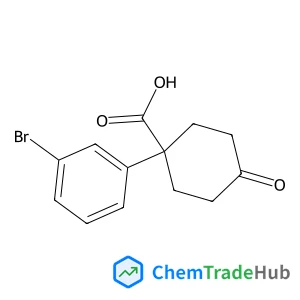
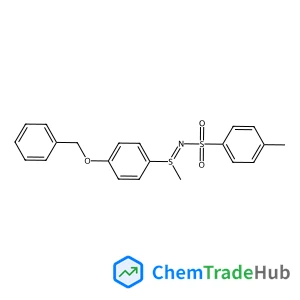
![2-[1-(4-Chlorobenzyl)-1H-indol-3-yl]-2-oxo-N-(6-quinolinyl)acetamide structure](https://static.chemtradehub.com/structs/501/501921-61-5-756a.webp "2-[1-(4-Chlorobenzyl)-1H-indol-3-yl]-2-oxo-N-(6-quinolinyl)acetamide structure")
![4-{2-[(9H-Fluoren-9-ylmethoxy)carbonyl]hydrazino}benzoic acid structure](https://static.chemtradehub.com/structs/214/214475-53-3-bf36.webp "4-{2-[(9H-Fluoren-9-ylmethoxy)carbonyl]hydrazino}benzoic acid structure")





