![trans,trans-4-n-Propyl-4-[4-(trifluoromethoxy)phenyl]bicyclohexyl structure](https://static.chemtradehub.com/structs/133/133937-72-1-25ef.webp "trans,trans-4-n-Propyl-4-[4-(trifluoromethoxy)phenyl]bicyclohexyl structure")
trans,trans-4-n-Propyl-4-[4-(trifluoromethoxy)phenyl]bicyclohexyl
CAS Number:
133937-72-1
Molecular Formula:
C22H31F3O
Mathias Homann, Ronald Imbihl
Chemical wave patterns that develop in the O2 + H2 reaction on a bimetallic Rh(110)/Ni surface have been studied with photoelectron emission microscopy (PEEM) in the 10−6 to 10−4 mbar range. The bifurcation diagram for Ni coverages up to 3 monolayers (ML) was mapped out for T = 770 K. Stationary concentration patterns of macroscopic stripes as well as target patterns and irregular chemical waves were observed.

Cement and Concrete Research

Chemistry of Natural Compounds

Journal of the American Chemical Society

Corrosion Science

Australian Journal of Chemistry

Advances in Colloid and Interface Science

Chemistry of Heterocyclic Compounds

Accounts of Chemical Research

Chemical Reviews

Chemical & Pharmaceutical Bulletin
Dhamodaran Manikandan, S. Amirthapandian, I. S. Zhidkov, A. I. Kukharenko, S. O. Cholakh, Ramaswamy Murugan
DOI: 10.1039/C7CP07182E
Jinyang Jiang, Yiru Yan, Dongshuai Hou, Jiao Yu
DOI: 10.1039/C7CP08640G
Christoph Nançoz, Giuseppe Licari, Joseph S. Beckwith, Magnus Soederberg, Bogdan Dereka, Arnulf Rosspeintner, Oleksandr Yushchenko, Romain Letrun, Sabine Richert, Bernhard Lang, Eric Vauthey
DOI: 10.1039/C7CP08390D
Teresa Roncal-Herrero, Alejandro Fernandez-Martinez, Adriana Matamoros-Veloza, Roland Kröger
DOI: 10.1039/C8CP00540K
Xue-Feng Zhao, Jia-Jia Li, Hai-Ru Li, Caixia Yuan, Xinxin Tian, Si-Dian Li, Yan-Bo Wu, Zhi-Xiang Wang
DOI: 10.1039/C7CP06955C
Dariusz W. Szczepanik, Miquel Solà, Tadeusz M. Krygowski, Halina Szatylowicz, Marcin Andrzejak, Barbara Pawełek, Justyna Dominikowska, Mercedes Kukułka, Karol Dyduch
DOI: 10.1039/C8CP01108G
Ling Huang, Xianfeng Yi, Anmin Zheng
DOI: 10.1039/C7CP07686J
Rui Long, Zhengfei Kuang, Zhichun Liu, Wei Liu
DOI: 10.1039/C7CP08394G
Paweł Piotr Michałowski, Sebastian Złotnik, Jakub Sitek, Krzysztof Rosiński, Mariusz Rudziński
DOI: 10.1039/C8CP01470A
Jesper Norell, Raphael M. Jay, Markus Hantschmann, Meiyuan Guo, Philippe Wernet, Michael Odelius
DOI: 10.1039/C7CP08326B
3-Fluoro-2-methylbenzylamine is an organic compound with the CAS number 771573-3...
Tert-butyl 2-(oxetan-3-ylidene)acetate is considered safe for its intended uses ...
Proper personal protective equipment (PPE) such as gloves, goggles, and a lab co...
2-Ethyl-4-methyl-1,3-thiazole is commonly synthesized via the reaction of thiour...
This compound should be stored in a cool, dry place away from direct sunlight an...
L-Lysine Acetate Salt (CAS: 52315-92-1) is subject to various regulatory guideli...
6-Fluoro-3-hydroxy-2-pyrazinecarboxamide (CAS: 259793-96-9) is generally conside...
1,1'-Sulfonylbis(1H-imidazole) is a crystalline solid with a molecular weight of...
4-Methyl-7-nitro-1H-indole-3-carbonitrile (CAS: 289483-82-5) is primarily used i...
Waste containing 5-Bromo-3-indolyl-beta-galactoside (CAS: 97753-82-7) should be ...

Physical Chemistry Chemical Physics (PCCP) is an international journal co-owned by 19 physical chemistry and physics societies from around the world. This journal publishes original, cutting-edge research in physical chemistry, chemical physics and biophysical chemistry. To be suitable for publication in PCCP, articles must include significant innovation and/or insight into physical chemistry; this is the most important criterion that reviewers and Editors will judge against when evaluating submissions. The journal has a broad scope and welcomes contributions spanning experiment, theory, computation and data science. Topical coverage includes spectroscopy, dynamics, kinetics, statistical mechanics, thermodynamics, electrochemistry, catalysis, surface science, quantum mechanics, quantum computing and machine learning. Interdisciplinary research areas such as polymers and soft matter, materials, nanoscience, energy, surfaces/interfaces, and biophysical chemistry are welcomed if they demonstrate significant innovation and/or insight into physical chemistry. Joined experimental/theoretical studies are particularly appreciated when complementary and based on up-to-date approaches.
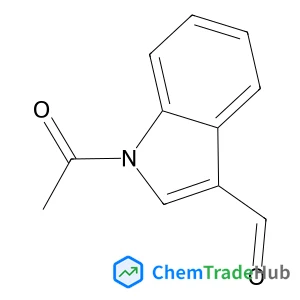
![5-(2-Phenylpyrazolo[1,5-a]pyridin-3-yl)-2H-pyrazolo[3,4-c]pyridazin-3-amine structure](https://static.chemtradehub.com/structs/865/865362-74-9-0091.webp "5-(2-Phenylpyrazolo[1,5-a]pyridin-3-yl)-2H-pyrazolo[3,4-c]pyridazin-3-amine structure")