


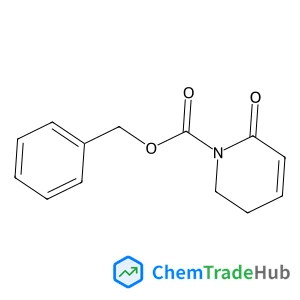
Benzyl 6-oxo-3,6-dihydro-1(2H)-pyridinecarboxylate
CAS Number:
725746-35-0
Molecular Formula:
C13H13NO3
Guopan Yang, Kunxue Cheng, Zhengkang Chu, Chunhui Ren, Yusheng Fu, Jinhong Guo
Point-of-care testing (POCT) systems have been greatly developed in recent years. Among them, lateral flow immunoassay (LFIA) based on magnetic nanoparticles (MNPs) is widely used in various fields due to the advantages of small background noise and good biocompatibility. This paper designed an ultra-sensitive giant magnetic resistance (GMR) system for the quantitative detection of methamphetamine (MET). The system uses GMRs to detect the distribution of the magnetic field intensity of MNPs captured by the test (T) and control (C) lines on LFIA. A special external interference cancellation (EIC) method and a weak-signal waveform reconstruction method were used to improve the accuracy of the detection. Finally, the T/C ratio was calculated to realize the quantitative detection of MET. The result showed good linear performance with a detection limit of 0.1 ng mL−1. The system can also be used in other fields such as disease detection, food analysis, and environmental testing.

Russian Chemical Reviews

Journal of Medicinal Chemistry

Israel Journal of Chemistry

Pure and Applied Chemistry

Journal of Heterocyclic Chemistry

Journal of Physics and Chemistry of Solids

Journal of Catalysis

European Journal of Wood and Wood Products

Organic Preparations and Procedures International

Science
Jean Campaniello, Charles W. R. Engelen, Wim G. Haije, Paul P. A. C. Pex, Jaap F. Vente
DOI: 10.1039/B401496K
Craig R. Stewart, Jonathan M. Goodman
DOI: 10.1039/B309488J
Janice Aldrich-Wright, Craig Brodie, Edith C. Glazer, Nathan W. Luedtke, Lev Elson-Schwab, Yitzhak Tor
DOI: 10.1039/B316917K
Michel Frigoli, Georg H. Mehl
DOI: 10.1039/B316146C
Lin-Ping Zhang, Thomas C. W. Mak
DOI: 10.1039/B307604K
David C. Harrowven, Nathalie L'Helias, Jonathan D. Moseley, Nigel J. Blumire, Stuart R. Flanagan
DOI: 10.1039/B309496K
Roger R. Hill, Sharon A. Moore, David R. Roberts
DOI: 10.1039/B308525B
Tamaki Jikyo, Gerhard Maas
DOI: 10.1039/B310256D
Sylvie Ferlay, Wais Hosseini
DOI: 10.1039/B400295B
Takahiro Kawai, Masashi Ikegami, Tatsuo Arai
DOI: 10.1039/B316315F
N-(4-Methoxybenzyl)-2-pyridinamine (CAS: 52818-63-0) is increasingly being used ...
When handling Ethyl 4-(2-chlorophenyl)-1,3-thiazole-2-carboxylate, appropriate p...
Diethyldiselane (CAS: 628-39-7) is classified under the Globally Harmonized Syst...
The market for oxocopper (CAS: 12053-18-8) is primarily driven by its use in cat...
The market for 5-{[(2-Methyl-2-propanyl)oxy]carbonyl}-5-azaspiro[2.4]heptane-7-c...
2-(1-Pyrrolidinyl)-4-pyridinamine is a chemical compound with the CAS number 359...
2-(3-Pyridinyl)-1-azabicyclo[2.2.2]octane (CAS: 91556-75-1) is a crystalline sol...
(S)-Alpha-allyl-proline hydrochloride is usually synthesized via a Wittig reacti...
3-Methyl-1,2-oxazole-5-carboxylic acid (CAS: 4857-42-5) is an organic compound w...
Lys-SMCC-DM1 is synthesized via a multi-step process involving the coupling of S...

Analyst publishes analytical and bioanalytical research that reports premier fundamental discoveries and inventions, and the applications of those discoveries, unconfined by traditional discipline barriers.
![5'-Fluoro-[2,3'-biindolinylidene]-2',3-dione structure](https://static.chemtradehub.com/structs/251/251903-00-1-9cb1.webp "5'-Fluoro-[2,3'-biindolinylidene]-2',3-dione structure")
![1-oxaspiro[4.4]nonan-6-one structure](https://static.chemtradehub.com/structs/134/134179-01-4-e051.webp "1-oxaspiro[4.4]nonan-6-one structure")






