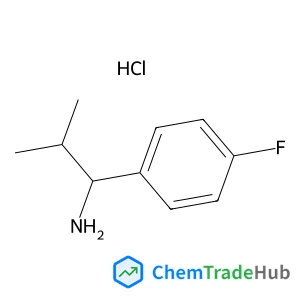
(1R)-1-(4-Fluorophenyl)-2-methyl-1-propanamine hydrochloride (1:1)
CAS Number:
1213329-40-8
Molecular Formula:
C10H15ClFN
Xiaofeng Li, Feng Peng
Boron-rich zirconium borides are potential candidates for superhard or multifunctional materials with excellent physical properties. Using first-principle methods with structure searching, various stoichiometric zirconium–boron compounds have been investigated under pressure. Four unexpected phases of Pmmm-ZrB, C2/m-ZrB3, Cmcm-ZrB6, Amm2-ZrB6 are uncovered. Structurally, the B–B bonding patterns evolve from zig–zag chains to triple graphite-like layers with the increase in B content. The three-dimensional covalent bonding networks of Zr–B and B–B were unraveled due to the observation of charge localization between B–B and B–Zr by electronic localization function analysis and crystal orbital Hamilton population. Interestingly, the predicted Cmcm and Amm2 phases for ZrB6 can be experimentally synthesized at moderate pressures and quenching can recover these products to ambient conditions as potential superhard materials due to their Vickers hardness beyond 40 GPa. Our work provides a key perspective toward the understanding of novel chemical bonding in B-rich transition metals compounds and gives direction for the experimental synthesis of superhard materials.

Science Progress

Molecular Pharmacology

Journal of Catalysis

Proceedings of the National Academy of Sciences of the United States of America

Planta Medica

European Journal of Wood and Wood Products

Russian Chemical Reviews

Israel Journal of Chemistry

Journal of Medicinal Chemistry

Organic Preparations and Procedures International
David Specklin, Marie-Christine Boegli, Anaïs Coffinet, Léon Escomel, Laure Vendier, Mary Grellier, Antoine Simonneau
DOI: 10.1039/D3SC04390H
Lucas T. Göttemann, Stefan Wiesler, Richmond Sarpong
DOI: 10.1039/D3SC05414D
Fang Yuan, Cuiling Zhang, Xianzhu Luo, Shasha Cheng, Yingxin Zhu, Yuezhong Xian
DOI: 10.1039/D3SC02022C
Yusheng Chen, Anastasia Kuvayskaya, Maren Pink, Amar H. Flood
DOI: 10.1039/D3SC03685E
Kunlayanee Punjajom, Paul P. Sinclair, Ishika Saha, Mark Seierstad, Michael K. Ameriks, Pablo García-Reynaga, Terry P. Lebold, Richmond Sarpong
DOI: 10.1039/D3SC04478E
Rebecca L. Spicer, Helen M. O'Connor, Yael Ben-Tal, Hang Zhou, Patrick J. Boaler, Fraser C. Milne, Euan K. Brechin, Guy. C. Lloyd-Jones, Paul J. Lusby
DOI: 10.1039/D3SC04877B
Daniele Mazzarella, Tommaso Bortolato, Giorgio Pelosi, Luca Dell'Amico
DOI: 10.1039/D3SC05997A
Chen Zhu, Xiangyu Chen, Huifeng Yue, Tengfei Ji, Yiqiao Ma, Yuanyuan Cao, Rajesh Kancherla, Magnus Rueping
DOI: 10.1039/D3SC04410F
3-(2-Bromoimidazo[2,1-b]thiazol-6-yl)propanoic acid hydrochloride is typically s...
2-Isopropyl-1,3-dioxane-5-carboxylic acid is typically synthesized by the carbox...
Alisporivir (CAS: 254435-95-5) is an antiviral medication used in the treatment ...
[1,2,4]triazolo[3,4-a]phthalazine (CAS: 234-80-0) is a crystalline compound with...
Regulatory guidelines for (2S)-5-Hydroxy-2-(4-hydroxyphenyl)-4-oxo-3,4-dihydro-2...
2,2-Difluorocyclohexanamine hydrochloride is generally safe when handled under p...
3-Nitro-2-phenylthiophene is primarily used in the synthesis of other organic co...
1-(Trifluoroacetyl)-4-piperidinecarbonitrile (CAS: 77940-79-5) is a colorless to...
Research and market trends for 1,3,6,8-Tetranitro-9H-carbazole (CAS: 4543-33-3) ...
Waste containing Dibenzo[b,d]thiophen-1-ylboronic acid (CAS: 1245943-60-5) shoul...

Physical Chemistry Chemical Physics (PCCP) is an international journal co-owned by 19 physical chemistry and physics societies from around the world. This journal publishes original, cutting-edge research in physical chemistry, chemical physics and biophysical chemistry. To be suitable for publication in PCCP, articles must include significant innovation and/or insight into physical chemistry; this is the most important criterion that reviewers and Editors will judge against when evaluating submissions. The journal has a broad scope and welcomes contributions spanning experiment, theory, computation and data science. Topical coverage includes spectroscopy, dynamics, kinetics, statistical mechanics, thermodynamics, electrochemistry, catalysis, surface science, quantum mechanics, quantum computing and machine learning. Interdisciplinary research areas such as polymers and soft matter, materials, nanoscience, energy, surfaces/interfaces, and biophysical chemistry are welcomed if they demonstrate significant innovation and/or insight into physical chemistry. Joined experimental/theoretical studies are particularly appreciated when complementary and based on up-to-date approaches.