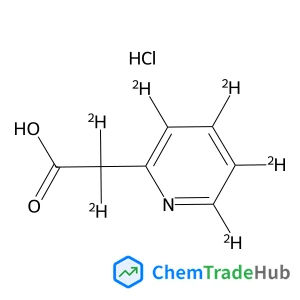
6-Bromo-3,4-dihydro-2H-1,4-benzoxazine hydrochloride (1:1)
CAS Number:
1260803-10-8
Molecular Formula:
C8H9BrClNO
Ion mobility spectrometry is a well-known technique for trace gas analysis. Using soft ionization techniques, fragmentation of analytes is normally not observed, with the consequence that analyte spectra of single substances are quite simple, i.e. showing in general only one peak. If the concentration is high enough, an extra cluster peak involving two analyte molecules can often be observed. When investigating n-alkanes, different results regarding the number of peaks in the spectra have been obtained in the past using this spectrometric technique. Here we present results obtained when analyzing n-alkanes (n-hexane to n-undecane) with a pulsed electron source, which show no fragmentation or clustering at all. However, when investigating a mixture of mercury and an n-alkane, a situation quite typical in the oil and gas industry, a strong fragmentation and cluster formation involving these fragments has been observed exclusively for n-decane and n-undecane.

Bulletin of the Chemical Society of Japan

Chemical & Pharmaceutical Bulletin

Canadian Metallurgical Quarterly

AIAA Journal

Chemical Reviews

Advances in Colloid and Interface Science

Chemistry of Natural Compounds

Chemistry of Heterocyclic Compounds

Cement and Concrete Research

Australian Journal of Chemistry
Guang-Shou Feng, Zi-Biao Zhao, Lei Shi
DOI: 10.1039/D1QO01144H
Pavel Yamanushkin, Andrew Edwards, Nicolai A. Aksenov
DOI: 10.1039/C8OB90109K
Xiang Liu, Jiatong Lin, Canzhan Zhuang, Jinling Zhong, Dan Song, Jiaji Zhao, Hua Cao
DOI: 10.1039/D1QO01005K
DOI: 10.1039/C8OB01382A
L. J. Bromhead, A. R. Norman, K. C. Snowden, B. J. Janssen, C. S. P. McErlean
DOI: 10.1039/C8OB01287C
Yujing Yao, Wenliang Zhang
DOI: 10.1039/D1QO01252E
Han Xu, Tian-Chen Kang, Feng Sha, Xin-Yan Wu
DOI: 10.1039/C8OB01524D
Yaxiong Wei, Min Zheng, Qiaohui Zhou, Xiaoguo Zhou, Shilin Liu
DOI: 10.1039/C8OB01410H
Jiang Wang, Xumu Zhang, Runtong Zhang, Baode Ma
DOI: 10.1039/D1QO01100F
Yasuhiro Kubota, Masato Nakazawa, Junheon Lee, Ryoma Naoi, Motoki Tachikawa, Toshiyasu Inuzuka, Kazumasa Funabiki, Masaki Matsui, Taekyeong Kim
DOI: 10.1039/D1QO01169C
4-Nitrophenyl phosphate disodium salt hexahydrate is primarily used as a substra...
2-(Trifluoromethyl)-1,3-oxazole-4-carboxylic Acid (CAS: 1060816-01-4) is widely ...
2-Fluoro-4-biphenylcarboxylic acid should be stored in a cool, dry place at room...
Prednisolone-21-Carboxylic Acid is primarily used in the pharmaceutical industry...
4-(Hydrazinomethyl)-1,2,3-benzenetriol (CAS: 3614-72-0) should be stored in a co...
4-Amino-1-methyl-1H-pyrazole-5-carboxylic acid hydrochloride (CAS: 92534-70-8) i...
Dehydropachymic acid (CAS: 77012-31-8) is regulated by various agencies. It fall...
The market and research trends for 6-[(2,2-Dimethylpropanoyl)amino]nicotinic aci...
1,10-Phenanthroline-2,9-dicarbaldehyde should be stored in a cool, dry place awa...
5-Carbamoyl-11-oxo-10,11-dihydro-5H-dibenzo[b,f]azepin-10-yl acetate can be synt...

Analyst publishes analytical and bioanalytical research that reports premier fundamental discoveries and inventions, and the applications of those discoveries, unconfined by traditional discipline barriers.
![S-[2,3-Bis(palmitoyloxy)propyl]-N-[(9H-fluoren-9-ylmethoxy)(hydroxy)methylene]cysteine structure](https://static.chemtradehub.com/structs/210/210532-98-2-f6a7.webp "S-[2,3-Bis(palmitoyloxy)propyl]-N-[(9H-fluoren-9-ylmethoxy)(hydroxy)methylene]cysteine structure")