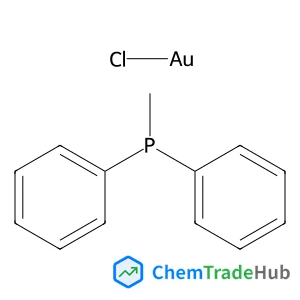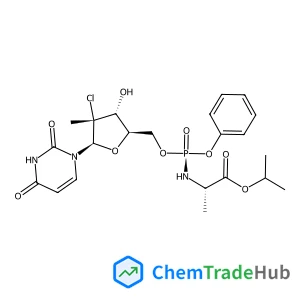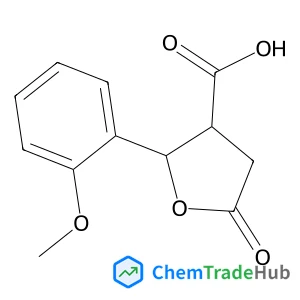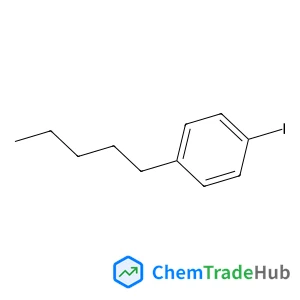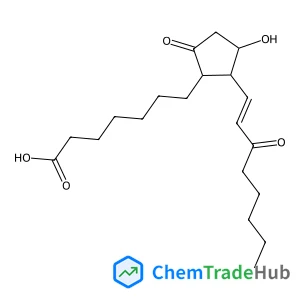
(11alpha,13E)-11-Hydroxy-9,15-dioxoprost-13-en-1-oic acid
CAS Number:
22973-19-9
Molecular Formula:
C20H32O5
A graphical abstract is available for this content
Ana M. Gutiérrez, Ángela Sastre-Santos, Fernando Fernández-Lázaro
DOI: 10.1039/C2CP23285E
G. Ennas, A. Scano, E. Agostinelli, D. Fiorani
DOI: 10.1039/C2CP22473A
Alberto García-Vela, Iván Cabanillas-Vidosa, Juan C. Ferrero, Gustavo A. Pino
DOI: 10.1039/C2CP24061K
Piter S. Miedema, Peter Ngene, Ad M. J. van der Eerden, Tsu-Chien Weng, Dennis Nordlund, Dimosthenis Sokaras, Roberto Alonso-Mori, Amélie Juhin, Petra E. de Jongh, Frank M. F. de Groot
DOI: 10.1039/C2CP24025D
Ga In Lee, Narayan Chandra Deb Nath, Subrata Sarker, Weon Ho Shin, A. J. Saleh Ahammad, Jeung Ku Kang
DOI: 10.1039/C2CP40279C
Denis Jacquemin, Tangui Le Bahers, Ilaria Ciofini
DOI: 10.1039/C2CP40261K
Hans-Peter Steinrück
DOI: 10.1039/C2CP24087D
Jan Jadżyn, Jolanta Świergiel
DOI: 10.1039/C2CP23960D
Min Wei Tew, Maarten Nachtegaal, Markus Janousch, Thomas Huthwelker
DOI: 10.1039/C2CP24068H
Patrick Rosa, Laure Vendier, Nicola Casati, Jean-François Létard, Azzedine Bousseksou, Philippe Guionneau, Gábor Molnár
DOI: 10.1039/C2CP23940J
3-Fluoro-2-methylbenzylamine is an organic compound with the CAS number 771573-3...
Tert-butyl 2-(oxetan-3-ylidene)acetate is considered safe for its intended uses ...
Proper personal protective equipment (PPE) such as gloves, goggles, and a lab co...
2-Ethyl-4-methyl-1,3-thiazole is commonly synthesized via the reaction of thiour...
This compound should be stored in a cool, dry place away from direct sunlight an...
L-Lysine Acetate Salt (CAS: 52315-92-1) is subject to various regulatory guideli...
6-Fluoro-3-hydroxy-2-pyrazinecarboxamide (CAS: 259793-96-9) is generally conside...
1,1'-Sulfonylbis(1H-imidazole) is a crystalline solid with a molecular weight of...
4-Methyl-7-nitro-1H-indole-3-carbonitrile (CAS: 289483-82-5) is primarily used i...
Waste containing 5-Bromo-3-indolyl-beta-galactoside (CAS: 97753-82-7) should be ...

Polymer Chemistry welcomes submissions in all areas of polymer science that have a strong focus on macromolecular chemistry. Manuscripts may cover a broad range of fields, yet no direct application focus is required.