-1,2-cyclohexanediamine structure](https://static.chemtradehub.com/structs/928/928769-12-4-a4f0.webp "N,N'-Bis[3-(2-methoxyphenyl)-2-hydroxybenzyl](1R,2R)-1,2-cyclohexanediamine structure")
N,N'-Bis[3-(2-methoxyphenyl)-2-hydroxybenzyl](1R,2R)-1,2-cyclohexanediamine
CAS Number:
928769-12-4
Molecular Formula:
C34H38N2O4
Christian Schlaup, Sebastian Horch
The underpotential deposition (UPD) of copper on a Pt(111) electrode and the influence of gas coadsorbates, i.e. CO and CO2, on the thus deposited copper layer were studied in a 0.1 M HClO4 electrolyte by means of EC-STM. By UPD, an atomically flat Cu layer is formed, which exhibits a pseudomorphic (1 × 1) structure. However, it contains several point defects due to which its total coverage is less than a monolayer, in agreement with the measured charge density in the CV curves. Upon exposure to a CO-saturated solution the pseudomorphic structure collapses to a coalescent structure with many vacancy islands. This phase transition is induced by the preferential binding of CO to the Pt(111) surface. In contrast, CO2, which binds stronger to copper, does not affect the pseudomorphic structure of the Cu layer.

Atomization and Sprays

Heteroatom Chemistry

Bioorganic & Medicinal Chemistry

Acta Metallurgica Sinica-English Letters

Main Group Chemistry

Herald of the Russian Academy of Sciences

Journal of the Indian Institute of Science

Topics in Catalysis

Bioorganic & Medicinal Chemistry Letters

Journal of Chemical Sciences
W. Gao, Y. J. Liu, Y. M. Liu, Z. D. Han, Q. Z. Xue, J. Zhu
DOI: 10.1039/C5CP05642J
M. Radtke, A. Ignaszak
DOI: 10.1039/C5CP05060J
Sonia Marggi Poullain, Marta G. González, Peter C. Samartzis, Luis Rubio-Lago, Luis Bañares
DOI: 10.1039/C5CP04850H
Attila G. Császár, Tibor Furtenbacher
DOI: 10.1039/C5CP04270D
Priya Bhasi, Zanele P. Nhlabatsi, Sanyasi Sitha
DOI: 10.1039/C5CP05190H
Tomohito Sudare
DOI: 10.1039/C5CP05168A
Mitsuhiko Miyazaki, Takashi Nakamura, Matthias Wohlgemuth, Roland Mitrić, Otto Dopfer, Masaaki Fujii
DOI: 10.1039/C5CP05400A
Zuju Ma, Rongjian Sa, Qiaohong Li, Kechen Wu
DOI: 10.1039/C5CP05847C
Waste containing 6-Chloro-5-(2'-hydroxy-3'-methoxy-4-biphenylyl)-3-(3-methoxyphe...
(3alpha,5alpha)-3-Hydroxypregnane-11,20-dione is primarily used in the pharmaceu...
The market for 4-Amino-6-chloro-2-pyridinecarboxylic acid (CAS: 546141-56-4) is ...
Alternatives to (2-Benzoylethyl)trimethylammonium chloride (CAS: 24472-88-6) in ...
N-[4-Nitro-3-(trifluoromethyl)phenyl]acetamide (CAS: 393-12-4) is generally safe...
Alternative reagents such as other phosphates or similar functional groups can b...
There are alternatives to N,N'-Bis(3-aminopropyl)-1,3-propanediamine (CAS: 4605-...
When handling Aluminium trihexadecanoate, it is important to use appropriate per...
(1,1-Dioxido-3-oxo-1,2-benzothiazol-2(3H)-yl)acetic acid is a chemical compound ...
Several alternatives to 5,5-dimethyloxolan-2-one (CAS: 3123-97-5) can be used in...

Physical Chemistry Chemical Physics (PCCP) is an international journal co-owned by 19 physical chemistry and physics societies from around the world. This journal publishes original, cutting-edge research in physical chemistry, chemical physics and biophysical chemistry. To be suitable for publication in PCCP, articles must include significant innovation and/or insight into physical chemistry; this is the most important criterion that reviewers and Editors will judge against when evaluating submissions. The journal has a broad scope and welcomes contributions spanning experiment, theory, computation and data science. Topical coverage includes spectroscopy, dynamics, kinetics, statistical mechanics, thermodynamics, electrochemistry, catalysis, surface science, quantum mechanics, quantum computing and machine learning. Interdisciplinary research areas such as polymers and soft matter, materials, nanoscience, energy, surfaces/interfaces, and biophysical chemistry are welcomed if they demonstrate significant innovation and/or insight into physical chemistry. Joined experimental/theoretical studies are particularly appreciated when complementary and based on up-to-date approaches.
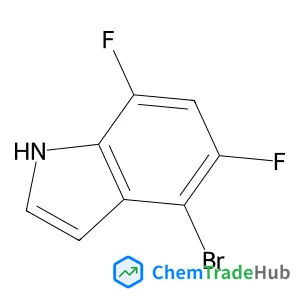
![(3-{[4-(Aminomethyl)-6-(trifluoromethyl)-2-pyridinyl]oxy}phenyl)[(3R,4R)-3-fluoro-4-hydroxy-1-pyrrolidinyl]methanone structure](https://static.chemtradehub.com/structs/200/2007885-39-2-affc.webp "(3-{[4-(Aminomethyl)-6-(trifluoromethyl)-2-pyridinyl]oxy}phenyl)[(3R,4R)-3-fluoro-4-hydroxy-1-pyrrolidinyl]methanone structure")