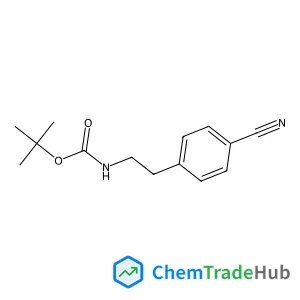
N-Methyl-3-(1-naphthyloxy)-3-(2-thienyl)-1-propanamine hydrochloride (1:1)
CAS Number:
1188266-11-6
Molecular Formula:
C18H20ClNOS
Keith Refson
The crystal structure of the hexagonal phase of solid lithium borohydride (LiBH4) is studied by ab initio molecular dynamics simulations of both the low and high-temperature phases. A temperature range of 200–535 K is simulated with the aim of characterising the disorder in the high-temperature structure in detail. The mechanism and kinetics of the reorientational motion of the borohydride units (BH4−) are determined and are consistent with published neutron scattering experiments; it is found that rotational diffusivity increases by an order of magnitude at the phase transition temperature. The average equilibrium orientation is characterised by a broad distribution of orientations, and reorientational jumps do not occur between sharply defined orientations. In addition, split positions with partial occupancy for the lithium and boron atoms are found (in agreement with previous theoretical studies), which, together with the disordered BH4− orientational distribution in equilibrium, lead to the conclusion that the correct crystallographic space group of the high-temperature phase is P63/mmc rather than P63mc.

Planta Medica

Proceedings of the National Academy of Sciences of the United States of America

Journal of Physics and Chemistry of Solids

Fibre Chemistry

Journal of Catalysis

Science Progress

Journal of Medicinal Chemistry

Pharmacological Reviews

Helvetica Chimica Acta

Organic Preparations and Procedures International
Yaping Zhou, Hongling Yan, Qingji Xie, Siyu Huang, Jiali Liu, Zou Li, Ming Ma
DOI: 10.1039/C3AN01437A
Asta Žukauskaitė, Ivan Petřík, Aleš Pěnčík, Martin Hönig, Jiří Grúz, Jitka Široká, Ondřej Novák
DOI: 10.1039/D0AN02118K
Zhenyu Gu, Jianguo Zhang, Dan Zhang, Han Zhang, Zhigang Yang, Junle Qu
DOI: 10.1039/D1TB00410G
Guopan Yang, Kunxue Cheng, Zhengkang Chu, Chunhui Ren, Yusheng Fu, Jinhong Guo
DOI: 10.1039/D0AN02418J
Shan Huang, Yuexin Song, Zhimei He, Jian-Rong Zhang, Jun-Jie Zhu
DOI: 10.1039/D1AN00077B
B. Turner, J. Mizukado, S. G. Kazarian
DOI: 10.1039/C7AN00337D
Jianwen Hou, Runhai Chen, Zhirong Xin, Hengchong Shi, Shing-Chung Wong, Jinghua Yin, Qiang Shi
DOI: 10.1039/C6TB03385G
N-(4-Methoxybenzyl)-2-pyridinamine (CAS: 52818-63-0) is increasingly being used ...
When handling Ethyl 4-(2-chlorophenyl)-1,3-thiazole-2-carboxylate, appropriate p...
Diethyldiselane (CAS: 628-39-7) is classified under the Globally Harmonized Syst...
The market for oxocopper (CAS: 12053-18-8) is primarily driven by its use in cat...
The market for 5-{[(2-Methyl-2-propanyl)oxy]carbonyl}-5-azaspiro[2.4]heptane-7-c...
2-(1-Pyrrolidinyl)-4-pyridinamine is a chemical compound with the CAS number 359...
2-(3-Pyridinyl)-1-azabicyclo[2.2.2]octane (CAS: 91556-75-1) is a crystalline sol...
(S)-Alpha-allyl-proline hydrochloride is usually synthesized via a Wittig reacti...
3-Methyl-1,2-oxazole-5-carboxylic acid (CAS: 4857-42-5) is an organic compound w...
Lys-SMCC-DM1 is synthesized via a multi-step process involving the coupling of S...

Physical Chemistry Chemical Physics (PCCP) is an international journal co-owned by 19 physical chemistry and physics societies from around the world. This journal publishes original, cutting-edge research in physical chemistry, chemical physics and biophysical chemistry. To be suitable for publication in PCCP, articles must include significant innovation and/or insight into physical chemistry; this is the most important criterion that reviewers and Editors will judge against when evaluating submissions. The journal has a broad scope and welcomes contributions spanning experiment, theory, computation and data science. Topical coverage includes spectroscopy, dynamics, kinetics, statistical mechanics, thermodynamics, electrochemistry, catalysis, surface science, quantum mechanics, quantum computing and machine learning. Interdisciplinary research areas such as polymers and soft matter, materials, nanoscience, energy, surfaces/interfaces, and biophysical chemistry are welcomed if they demonstrate significant innovation and/or insight into physical chemistry. Joined experimental/theoretical studies are particularly appreciated when complementary and based on up-to-date approaches.
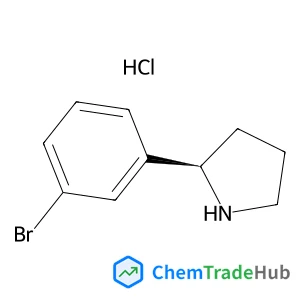

![1-oxaspiro[4.4]nonan-6-one structure](https://static.chemtradehub.com/structs/134/134179-01-4-e051.webp "1-oxaspiro[4.4]nonan-6-one structure")