Trichloro(3,3,4,4,5,5,6,6,7,7,8,8,8-tridecafluorooctyl)silane
CAS Number:
78560-45-9
Molecular Formula:
C8H4Cl3F13Si
Ana M. V. M. Pereira, Anita Hausmann, Maria G. P. M. S. Neves, Augusto C. Tomé, Artur M. S. Silva, José A. S. Cavaleiro, Dirk M. Guldi
In the current work, we report on the synthesis and photophysical features of supramolecular hybrid systems that are based on newly fused porphyrin–phthalocyanine (P–Pc) conjugates and a pyridylfullerene. The ZnP–ZnPc conjugate was synthesized in three steps starting with a Diels–Alder reaction between β-vinylporphyrin and fumaronitrile. The resulting mixture of isomeric adducts was then dehydrogenated to yield the corresponding benzo[b]porphyrin-21,22-dicarbonitrile. In the final step, cyclotetramerization with 4-tert-butylphthalonitrile, in the presence of zinc acetate, afforded the bis-metalated conjugate. Selective demetallation of ZnP led to the H2P–ZnPc conjugate. For both conjugates steric hindrance is the inception to a bent configuration, which does, however, not preclude enlargement of the π-conjugated system, that is, the porphyrins and the phthalocyanines. The two conjugates coordinate N-(4-pyridyl)fullero[c]pyrrolidine giving rise to the corresponding supramolecular porphyrin–phthalocyanine–fullerene systems. Photophysical measurements corroborate a sequential deactivation in the excited state, namely an initial intramolecular energy transfer from ZnP or H2P to ZnPc followed by an intramolecular charge transfer to yield ZnP–(ZnPc)˙+–(C60)˙− and H2P–(ZnPc)˙+–(C60)˙−, respectively.
Milad Ghani
DOI: 10.1039/C9AY01208G
Louis J. Morris, Michael S. Hill, Ian Manners, Claire L. McMullin, Mary F. Mahon, Nasir A. Rajabi
DOI: 10.1039/C9CC07289F
María J. Rodríguez-Álvarez, Cristian Vidal, Josefina Díez, Joaquín García-Álvarez
DOI: 10.1039/C4CC05904B
Yaqin Cui, Jinxing Jiang, Xiaobo Pan, Jincai Wu
DOI: 10.1039/C9CC06108H
Lixuan Dai, Mingguang Ren, Zihong Li, Li Wang, Weiying Lin
DOI: 10.1039/C9AY01575B
Shiping Zhu, Tony Wigglesworth, Yiliang Wu
DOI: 10.1039/C3CC43920H
Xue Li, Xin He, Qiang Zhang, Yangyang Chang, Meng Liu
DOI: 10.1039/C9AY01060B
1H-Indazole-6-carbonitrile finds applications in pharmaceuticals, where it serve...
Waste containing Dioctyl (2E)-2-butenedioate (CAS: 2997-85-5) should be collecte...
Sodium [(1,2-benzoxazol-3-ylmethyl)sulfonyl]azanide is primarily used in pharmac...
Dimethyl 4-(4,4,5,5-tetramethyl-1,3,2-dioxaborolan-2-yl)-2,6-pyridinedicarboxyla...
Waste containing 2-Fluoro-6-hydrazinopyridine (CAS: 80714-39-2) should be manage...
6-Formyl-2-pyridinecarboxylic acid is an organic compound with the molecular for...
Research trends for this compound indicate a focus on its potential applications...
9H-Tribenzo[b,d,f]azepine is typically synthesized via a multi-step process invo...
1-Cyclopropyl-7-ethoxy-6-fluoro-8-methoxy-4-oxo-1,4-dihydro-3-quinolinecarboxyli...
Waste containing Methyl 3-oxo-1,2,3,4-tetrahydro-6-quinoxalinecarboxylate (CAS: ...

Physical Chemistry Chemical Physics (PCCP) is an international journal co-owned by 19 physical chemistry and physics societies from around the world. This journal publishes original, cutting-edge research in physical chemistry, chemical physics and biophysical chemistry. To be suitable for publication in PCCP, articles must include significant innovation and/or insight into physical chemistry; this is the most important criterion that reviewers and Editors will judge against when evaluating submissions. The journal has a broad scope and welcomes contributions spanning experiment, theory, computation and data science. Topical coverage includes spectroscopy, dynamics, kinetics, statistical mechanics, thermodynamics, electrochemistry, catalysis, surface science, quantum mechanics, quantum computing and machine learning. Interdisciplinary research areas such as polymers and soft matter, materials, nanoscience, energy, surfaces/interfaces, and biophysical chemistry are welcomed if they demonstrate significant innovation and/or insight into physical chemistry. Joined experimental/theoretical studies are particularly appreciated when complementary and based on up-to-date approaches.
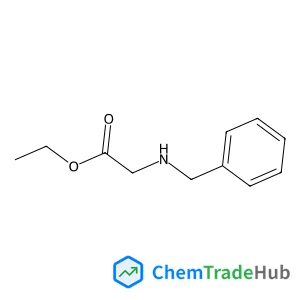
![Sodium 3-[(E)-(4-anilinophenyl)diazenyl]benzenesulfonate structure](https://static.chemtradehub.com/structs/587/587-98-4-035f.webp "Sodium 3-[(E)-(4-anilinophenyl)diazenyl]benzenesulfonate structure")