![[3-Chloro-5-(diethylcarbamoyl)phenyl]boronic acid structure](https://static.chemtradehub.com/structs/957/957120-59-1-febc.webp "[3-Chloro-5-(diethylcarbamoyl)phenyl]boronic acid structure")
[3-Chloro-5-(diethylcarbamoyl)phenyl]boronic acid
CAS Number:
957120-59-1
Molecular Formula:
C11H15BClNO3
N. Al-Rubaiey, R. Becerra, R. Walsh
Time-resolved studies of silylene, SiH2, generated by laser flash photolysis of phenylsilane, have been carried out to obtain rate constants for its bimolecular reaction with C2D4. The reaction was studied in the gas phase, over the pressure range 1–100 Torr (in SF6 bath gas) at five temperatures in the range 291–595 K. The reaction of SiH2 + C2D4 was pressure dependent but significantly less so than that of SiH2 + C2H4 studied earlier. The high pressure limiting rate constants were the same for the two reaction systems within experimental error. RRKM modelling studies were carried out but the calculated inverse isotope effects, kD/kH, were poorly reproduced by a mechanism consisting of a simple third body assisted association reaction. When this was extended to include a reversible isotopic scrambling process, the RRKM modelling of the isotope effects gave better agreement with experiment, although not perfect agreement with the pressure dependence. This mechanism, involving the reversible isomerisation of silirane-d4 to ethylsilylene-d4, is consistent with thermochemical and ab initio calculations of the energy surface.
K. Barthelet, J. Marrot, G. Férey, D. Riou
DOI: 10.1039/B312589K
Takahiko Kojima, Yoshitaka Ishioka, Yoshihisa Matsuda
DOI: 10.1039/B308892H
Delphine Mathieu, Yves-Michel Frapart, Jean François Bartoli, Jean-Luc Boucher, Pierrette Battioni, Daniel Mansuy
DOI: 10.1039/B312441J
Hans-Jörg Schneider, Tianjun Liu
DOI: 10.1039/B310939A
Hélène Audrain, Laurent Martarello, Antony Gee, Dirk Bender
DOI: 10.1039/B314982J
Sophie Lautrette, Robert Granet, Pierre Krausz
DOI: 10.1039/B315699K
Daniel J. Stasko, Kevin J. Perzynski, Mark A. Wasil
DOI: 10.1039/B314475E
James G. Worden, Andrew W. Shaffer, Qun Huo
DOI: 10.1039/B312819A
Colin D. Abernethy
DOI: 10.1039/B314558A
Christopher D. Ablan, Jason P. Hallett, Kevin N. West, Rebecca S. Jones, Charles A. Eckert, Charles L. Liotta, Philip G. Jessop
DOI: 10.1039/B311146F
Waste containing 2-Ethyl-4-Methyl-1H-Imidazole-5-Carbaldehyde (CAS: 88634-80-4) ...
Triethoxy(octyl)silane (CAS: 1385031-14-0) is widely used in the pharmaceuticals...
Several alternatives to 3-iodo-7-nitro-1H-indazole (CAS: 864724-64-1) exist in t...
Yes, there are alternatives to Benzene, bis[(trimethoxysilyl)ethyl] (CAS: 266317...
Isothiazole-3-carbonitrile (CAS: 1452-17-1) is generally considered safe when us...
(3-Chlorophenyl)methanol (CAS: 873-63-2) is considered low to moderately toxic. ...
(2S,3S)-2-Hydroxy-3-({[(2-methyl-2-propanyl)oxy]carbonyl}amino)-3-(2-naphthyl)pr...
Proper handling of methyl 2-(bromomethyl)-5-methoxybenzoate requires the use of ...
6,8-Dibromoimidazo[1,2-a]pyridine-2-carboxylic acid (CAS: 904805-36-3) is an aro...
3-Amino-5-bromo-2-pyridinecarbonitrile is considered safe when handled under pro...

Physical Chemistry Chemical Physics (PCCP) is an international journal co-owned by 19 physical chemistry and physics societies from around the world. This journal publishes original, cutting-edge research in physical chemistry, chemical physics and biophysical chemistry. To be suitable for publication in PCCP, articles must include significant innovation and/or insight into physical chemistry; this is the most important criterion that reviewers and Editors will judge against when evaluating submissions. The journal has a broad scope and welcomes contributions spanning experiment, theory, computation and data science. Topical coverage includes spectroscopy, dynamics, kinetics, statistical mechanics, thermodynamics, electrochemistry, catalysis, surface science, quantum mechanics, quantum computing and machine learning. Interdisciplinary research areas such as polymers and soft matter, materials, nanoscience, energy, surfaces/interfaces, and biophysical chemistry are welcomed if they demonstrate significant innovation and/or insight into physical chemistry. Joined experimental/theoretical studies are particularly appreciated when complementary and based on up-to-date approaches.
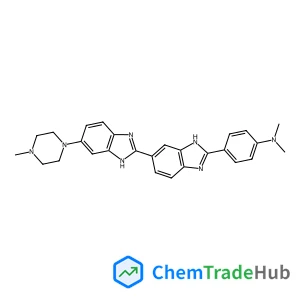
![L-Threonine, N-[[4,7,10-tris(carboxymethyl)-1,4,7,10-tetraazacyclododec-1-yl]acetyl]-D-phenylalanyl-L-cysteinyl-L-tyrosyl-D-tryptophyl-L-lysyl-L-threonyl-L-cysteinyl-, cyclic (2→7)-disulfide, acetate (salt) (9CI) structure](https://static.chemtradehub.com/structs/177/177943-89-4-6312.webp "L-Threonine, N-[[4,7,10-tris(carboxymethyl)-1,4,7,10-tetraazacyclododec-1-yl]acetyl]-D-phenylalanyl-L-cysteinyl-L-tyrosyl-D-tryptophyl-L-lysyl-L-threonyl-L-cysteinyl-, cyclic (2→7)-disulfide, acetate (salt) (9CI) structure")