



AD
1-(1-Naphthyl)cyclopropanecarboxylic acid(CAS: 124276-38-6)
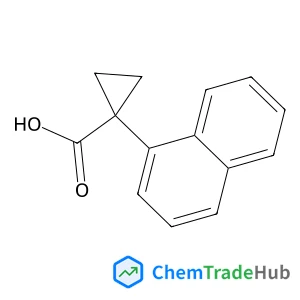
CAS Number
Related Products
![(2R)-1-[(2-Methyl-2-propanyl)oxy]-1-oxo-3-(tritylsulfanyl)-2-propanaminium chloride](https://static.chemtradehub.com/structs/158/158009-03-1-72f2.webp)
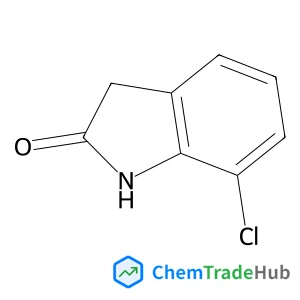
7-Chloro-1,3-dihydro-2H-indol-2-one
CAS Number: 25369-33-9
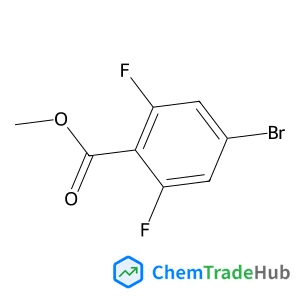
Methyl 4-bromo-2,6-difluorobenzoate
CAS Number: 773134-11-5
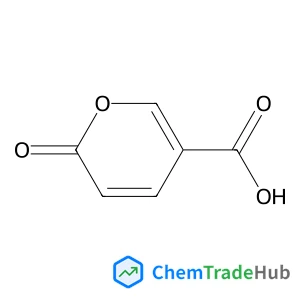
2-Oxo-2H-pyran-5-carboxylic acid
CAS Number: 500-05-0
![5-Bromo-1H-pyrrolo[2,3-b]pyridin-6-amine](https://static.chemtradehub.com/structs/119/1190322-18-9-0a9f.webp)
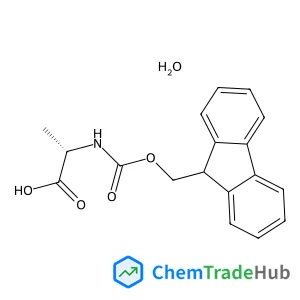
N-Fmoc-L-alanine Hydrate
CAS Number: 207291-76-7
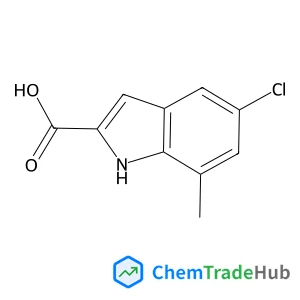
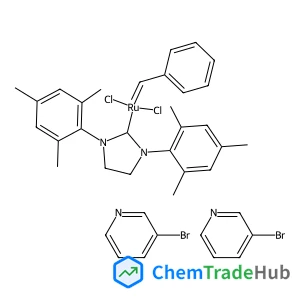
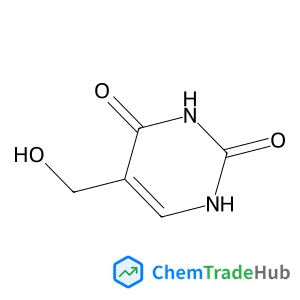
Other Suppliers for 1-(1-Naphthyl)cyclopropanecarboxylic acid




Basic Information
Molecular Formula
C14H12O2
Molecular Weight
212.25 g/mol
Chemical Identifiers
SMILES
C1CC1(C2=CC=CC3=CC=CC=C32)C(=O)O
InChIKey
OUJODVKEBCXFEI-UHFFFAOYSA-N
Database References
MDL Number
MFCD11037019
FAQ
1-(1-Naphthyl)cyclopropanecarboxylic acid (CAS: 124276-38-6) is subject to regulation under the Globally Harmonized System of Classification and Labeling of Chemicals (GHS), which includes hazard classification for physical, health, and environmental hazards. It also falls under the European Union’s REACH regulations, which require manufacturers and importers to register the substance with the European Chemicals Agency. In the USA, it may be regulated by the EPA and FDA under the Toxic Substances Control Act (TSCA) and the Food Drug and Cosmetic Act, respectively, depending on its intended use.
Are there alternatives to 1-(1-Naphthyl)cyclopropanecarboxylic acid (CAS: 124276-38-6) in synthesis?
Alternative reagents to 1-(1-Naphthyl)cyclopropanecarboxylic acid (CAS: 124276-38-6) in synthesis include other carboxylic acids with similar functional groups, such as 1-naphthoic acid or cyclopropanecarboxylic acids with different substituents. These alternatives can offer similar reactivity for various organic reactions, depending on the specific application and desired product.
The market for 1-(1-Naphthyl)cyclopropanecarboxylic acid (CAS: 124276-38-6) is largely driven by its use in organic synthesis as a precursor in the development of new pharmaceuticals and materials. Emerging research trends focus on its potential in asymmetric synthesis and the design of bioactive molecules. The trend indicates a growing interest in using this compound for its unique chemical properties and reactivity.
How should waste containing 1-(1-Naphthyl)cyclopropanecarboxylic acid (CAS: 124276-38-6) be handled?
Waste containing 1-(1-Naphthyl)cyclopropanecarboxylic acid (CAS: 124276-38-6) should be collected in properly labeled containers and stored in a cool, well-ventilated area away from incompatible materials. The waste should be disposed of through a licensed hazardous waste disposal facility. Incineration can be used as a final disposal method, provided that it is performed in an enclosed, properly ventilated facility, and all environmental regulations are followed. Special precautions should be taken to ensure proper disposal to minimize environmental impact and comply with local regulations.
Safety Notice
Please verify product specifications and safety data before use. Contact the supplier for detailed safety information.
Always follow proper handling procedures

Contact Information
Contact Person
Leyan
product@leyan.com
Mobile
13525454349
Visit Website
https://www.leyan.com/Address
No. 3, Block 1999, Zhangheng Road, China (Shanghai) Free Trade Zone