



AD
1,3-Dicyclohexyl-1H-imidazol-3-ium chloride(CAS: 181422-72-0)
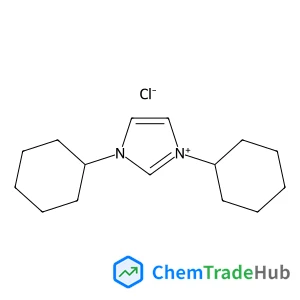
CAS Number
Related Products
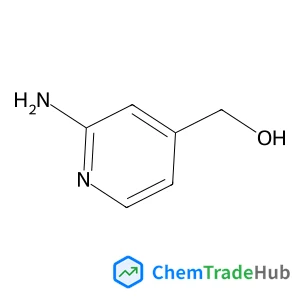
(2-Amino-4-pyridinyl)methanol
CAS Number: 105250-17-7
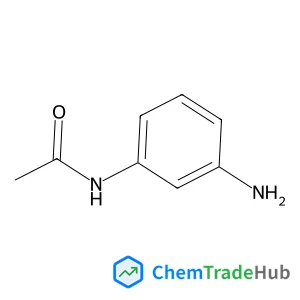
N-(3-Aminophenyl)acetamide
CAS Number: 102-28-3
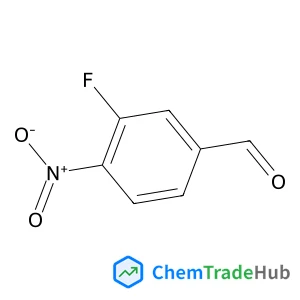
3-Fluoro-4-nitrobenzaldehyde
CAS Number: 160538-51-2
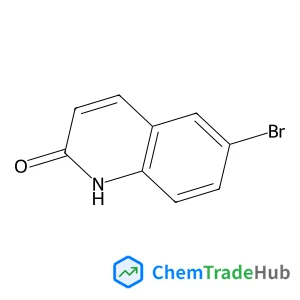
6-Bromo-2(1H)-quinolinone
CAS Number: 1810-66-8
![N,N-Dimethyl-N-[3-(trimethoxysilyl)propyl]-1-octadecanaminium chloride](https://static.chemtradehub.com/structs/276/27668-52-6-f54e.webp)
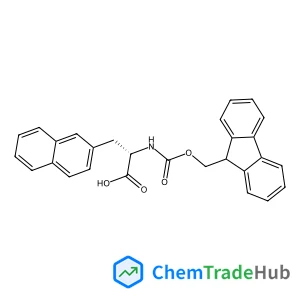
Fmoc-2-Nal-OH
CAS Number: 112883-43-9
Other Suppliers for 1,3-Dicyclohexyl-1H-imidazol-3-ium chloride






Basic Information
Molecular Formula
C15H25ClN2
Molecular Weight
268.82 g/mol
Physical Properties
Melting Point
101-144 °C (decomposition)
Chemical Identifiers
SMILES
C1CCC(CC1)N2C=C[N+](=C2)C3CCCCC3.[Cl-]
InChIKey
UPJKDKOHHMKJAY-UHFFFAOYSA-M
Database References
MDL Number
MFCD04973309
FAQ
1,3-Dicyclohexyl-1H-imidazol-3-ium chloride is a white crystalline solid with a molecular weight of approximately 280.45 g/mol. It is sparingly soluble in water but soluble in organic solvents such as ethanol and acetone. Chemically, it is relatively stable under normal conditions but can react with strong acids or bases. It is not flammable and does not pose significant health risks under normal handling conditions.
1,3-Dicyclohexyl-1H-imidazol-3-ium chloride is typically synthesized through the reaction of 1,3-dicyclohexylimidazole with hydrochloric acid. The reaction is carried out under mild conditions, and the product is isolated by recrystallization from suitable solvents. The process is selective and yields a high purity product.
1,3-Dicyclohexyl-1H-imidazol-3-ium chloride is used in the pharmaceutical industry as a reagent for the synthesis of bioactive compounds. It also finds applications in the polymer and semiconductor industries, where its properties contribute to the development of advanced materials. Additionally, it is used in sensor technologies due to its reactivity and stability.
When handling 1,3-Dicyclohexyl-1H-imidazol-3-ium chloride, it is important to wear appropriate personal protective equipment (PPE), including gloves and safety goggles. Work should be conducted in a fume hood to minimize exposure to airborne particles. Spills should be cleaned up using suitable solvents, and the area should be well-ventilated. Always refer to the Safety Data Sheet (SDS) for detailed handling instructions and emergency procedures.
Safety Notice
Please verify product specifications and safety data before use. Contact the supplier for detailed safety information.
Always follow proper handling procedures
Contact Information
Contact Person
Manager Gong
3663049642@qq.com