



AD
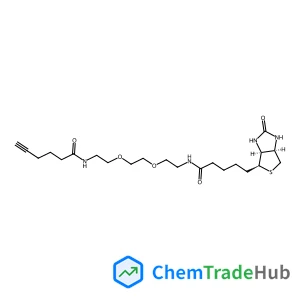
Biotin-PEG2-C4-alkyne(CAS: 1011268-28-2)
CAS Number
Related Products
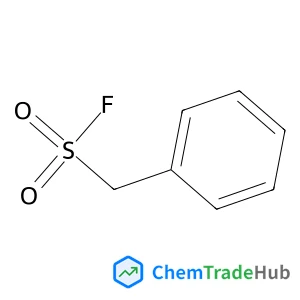
Phenylmethanesulfonyl fluoride
CAS Number: 329-98-6
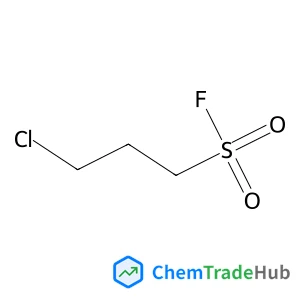
3-Chloro-1-propanesulfonyl fluoride
CAS Number: 3821-80-5
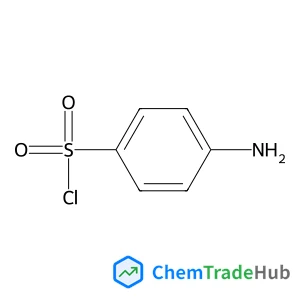
4-Aminobenzenesulfonyl chloride
CAS Number: 24939-24-0

L-Aminobutyric Acid
CAS Number: 1492-24-6
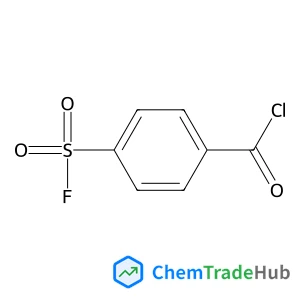
4-(Fluorosulfonyl)benzoyl chloride
CAS Number: 402-55-1
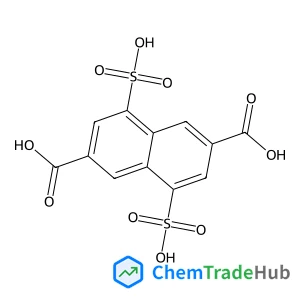
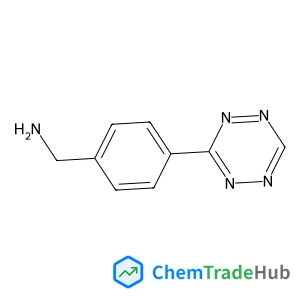
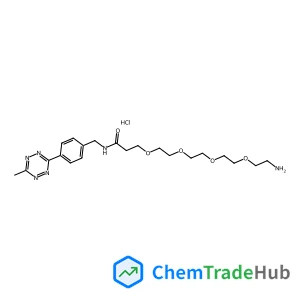
Tetrazine-amine
CAS Number: 1092689-33-2
Other Suppliers for Biotin-PEG2-C4-alkyne


Basic Information
Molecular Formula
C22H36N4O5S
Molecular Weight
16.04 g/mol
Physical Properties
Boiling Point
799.8±60.0 °C(Predicted)
Density
1.158±0.06 g/cm3(Predicted)
Chemical Identifiers
SMILES
C#CCCCC(=O)NCCOCCOCCNC(=O)CCCC[C@@H]1SC[C@H]2[C@@H]1NC(=O)N2
InChIKey
VNWKTOKETHGBQD-UHFFFAOYSA-N
Database References
MDL Number
MFCD28505539
FAQ
Biotin-PEG2-C4-alkyne (CAS: 1011268-28-2) is a biotinylated polyethylene glycol derivative with a C4 alkynyl group. It is typically a white to off-white powder with a molecular weight around 615 g/mol. This compound is poorly soluble in water but soluble in organic solvents such as DMSO and CHCl3. It is reactive due to the presence of the alkynyl group, which can undergo copper-catalyzed azide-alkyne click chemistry, making it useful for conjugation reactions.
Biotin-PEG2-C4-alkyne (CAS: 1011268-28-2) is synthesized by linking a biotin moiety to a polyethylene glycol (PEG) chain through a C4 alkynyl group. Commonly, biotin is attached to the PEG chain via an amide bond. The synthesis typically involves coupling biotin hydrazide with the carboxylic acid of the C4 alkynyl-PEG2 derivative. This process can be optimized using specific coupling agents and conditions to achieve high yields and selectivity.
Biotin-PEG2-C4-alkyne (CAS: 1011268-28-2) is widely used in the pharmaceutical, biotechnology, and diagnostics industries. It is particularly valuable for conjugating biomolecules to surfaces or other molecules for biosensor applications, drug delivery systems, and affinity chromatography. Additionally, it is used in polymer science for functionalizing polymers and in semiconductor industry for surface modification and patterning.
When handling Biotin-PEG2-C4-alkyne (CAS: 1011268-28-2), it is crucial to use appropriate personal protective equipment (PPE) such as gloves, goggles, and a lab coat. Work should be conducted in a well-ventilated area or a fume hood to minimize exposure to the vapors. Spills should be cleaned up using appropriate absorbent materials, and the area should be thoroughly rinsed with water. Always consult the Safety Data Sheet (SDS) for detailed handling and disposal instructions.
Safety Notice
Please verify product specifications and safety data before use. Contact the supplier for detailed safety information.
Always follow proper handling procedures
Contact Information
sales@torreybio.com