



AD
2,6-Dichloro-4-fluorophenol(CAS: 392-71-2)
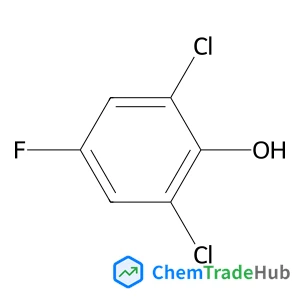
CAS Number
Related Products
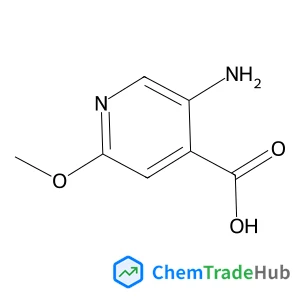
5-Amino-2-methoxyisonicotinic acid
CAS Number: 183741-91-5
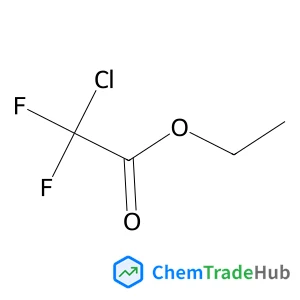
Ethyl chloro(difluoro)acetate
CAS Number: 383-62-0
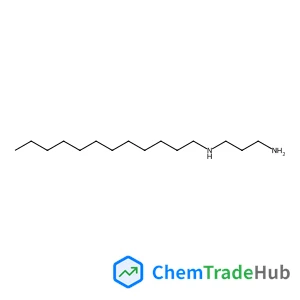
N-Dodecyl-1,3-propanediamine
CAS Number: 5538-95-4

Pyridine hydrobromide (1:1)
CAS Number: 18820-82-1

dioxotantaliooxy(dioxo)tantalum
CAS Number: 1314-61-0

3-Nitro-5-(trifluoromethyl)benzoic acid
CAS Number: 328-80-3
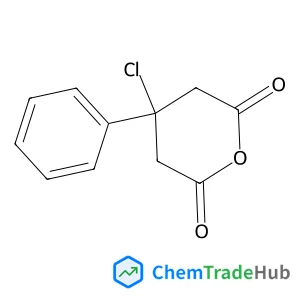

Hydrazine hydrochloride (1:1)
CAS Number: 2644-70-4
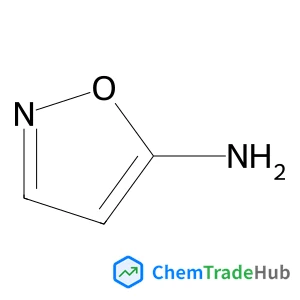
1,2-Oxazol-5-amine
CAS Number: 14678-05-8
Other Suppliers for 2,6-Dichloro-4-fluorophenol







Basic Information
Molecular Formula
C6H3Cl2FO
Molecular Weight
180.99 g/mol
Physical Properties
Melting Point
48.0 to 51.0 deg-C
Boiling Point
142 °C
Flash Point
218 °F
Chemical Identifiers
SMILES
C1=C(C=C(C(=C1Cl)O)Cl)F
InChIKey
BOJVIFKSTRCIRJ-UHFFFAOYSA-N
Database References
MDL Number
MFCD00010675
Beilstein Registry Number
2046856
FAQ
2,6-Dichloro-4-fluorophenol is a white or pale yellow crystalline solid with a molecular weight of approximately 212.01 g/mol. It has a solubility of about 0.06 g/100 mL in water and is more soluble in organic solvents. The compound is relatively stable but can react with bases to form phenoxide salts. It is also known to react with reducing agents and is used in the synthesis of other compounds.
2,6-Dichloro-4-fluorophenol is typically synthesized by the reaction of 4-fluoroaniline with chlorine gas in the presence of a Lewis acid catalyst, such as aluminum chloride. The process involves chlorination at both the 2 and 6 positions on the phenyl ring, followed by purification steps to isolate the desired product with high selectivity and yield.
2,6-Dichloro-4-fluorophenol is used in various industries, including the pharmaceutical industry for the synthesis of certain drugs, the polymer industry for the production of various polymer-based products, and the chemical industry for the development of sensors and other chemical intermediates.
When handling 2,6-Dichloro-4-fluorophenol, it is essential to use personal protective equipment (PPE) such as gloves, goggles, and lab coats. It should be stored in a fume hood and handled in a well-ventilated area to avoid inhalation of vapors. In case of a spill, it should be handled according to the Material Safety Data Sheet (MSDS) and appropriate safety measures should be taken. Exposure to this compound may cause skin irritation and respiratory issues, so it is crucial to follow all safety guidelines.
Safety Notice
Please verify product specifications and safety data before use. Contact the supplier for detailed safety information.
Always follow proper handling procedures
Contact Information
1711004516@qq.com
Mobile
18971625309
Telephone
027-87892127
Fax
027-87891008
Visit Website
http://www.cswchem.com