



AD
3,3'-Dichlorobiphenyl(CAS: 2050-67-1)
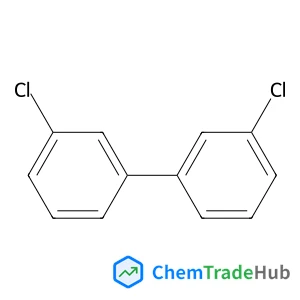
CAS Number
Related Products
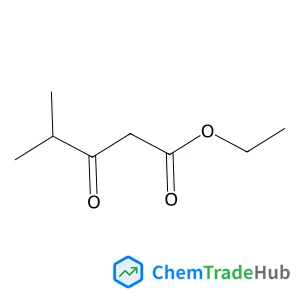
Ethyl 4-methyl-3-oxopentanoate
CAS Number: 7152-15-0
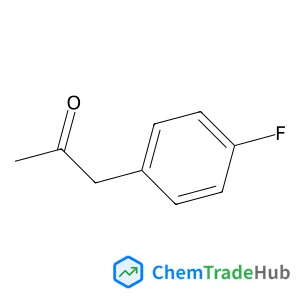
1-(4-Fluorophenyl)acetone
CAS Number: 459-03-0


3-Amino-1,2-propanediol
CAS Number: 616-30-8
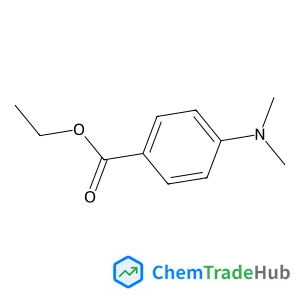
Ethyl 4-(dimethylamino)benzoate
CAS Number: 10287-53-3
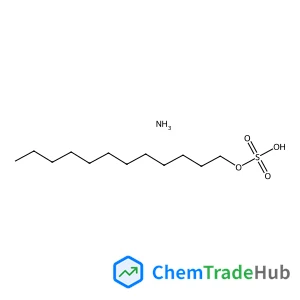
Ammonium dodecyl sulfate
CAS Number: 2235-54-3

1,2-Difluoro-3-methyl-4-nitrobenzene
CAS Number: 914348-35-9
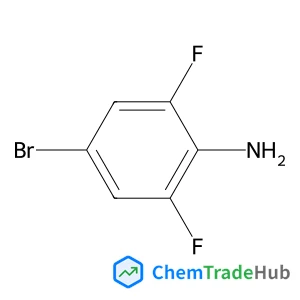
Abemaciclib Impurity 6
CAS Number: 67567-26-4
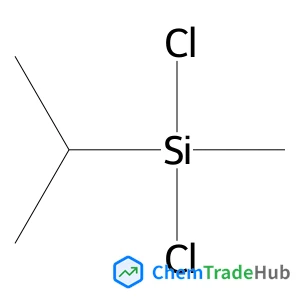
Dichloro(isopropyl)methylsilane
CAS Number: 18236-89-0
Other Suppliers for 3,3'-Dichlorobiphenyl








Basic Information
Molecular Formula
C12H8Cl2
Molecular Weight
223.1 g/mol
Physical Properties
Melting Point
29 ºC
Boiling Point
289.78°C (rough estimate)
Flash Point
150.5°C
Chemical Identifiers
SMILES
C1=CC(=CC(=C1)Cl)C2=CC(=CC=C2)Cl
InChIKey
KTXUOWUHFLBZPW-UHFFFAOYSA-N
Database References
FAQ
3,3'-Dichlorobiphenyl is a crystalline compound with a molecular weight of approximately 254.01 g/mol. It has a low solubility in water but is more soluble in organic solvents like benzene and chloroform. It is generally stable under normal conditions but can react with strong bases and reducing agents. Its stability makes it suitable for certain industrial applications.
3,3'-Dichlorobiphenyl is typically synthesized through the chlorination of biphenyl using chlorine gas under controlled conditions. The reaction is catalyzed by Lewis acids such as aluminum chloride. The yields are generally high, and the selectivity towards the 3,3'-position is good, making it a preferred method for industrial production.
3,3'-Dichlorobiphenyl is used in the manufacturing of certain types of flame retardants, pharmaceuticals, and as a precursor in the production of other chlorinated biphenyls. It is also utilized in the synthesis of dyes and pigments, and in the production of electronic components such as sensors and semiconductors.
When handling 3,3'-Dichlorobiphenyl, it is essential to use proper personal protective equipment (PPE) such as gloves, goggles, and a lab coat. Work should be conducted in a well-ventilated area or a fume hood. Spills should be cleaned up immediately using appropriate absorbent materials, and any waste should be disposed of according to local regulations. Always refer to the Safety Data Sheet (SDS) for detailed handling instructions.
Safety Notice
Please verify product specifications and safety data before use. Contact the supplier for detailed safety information.
Always follow proper handling procedures
Contact Information
Contact Person
Yang Qin
1462312301@qq.com