



AD
Diphenyliodonium bromide(CAS: 1483-73-4)

CAS Number
Related Products

2-Bromo-4-fluorobenzaldehyde
CAS Number: 59142-68-6
![N-[7-(Dimethylsulfamoyl)-2,1,3-benzoxadiazol-4-yl]-N-methylglycyl chloride](https://static.chemtradehub.com/structs/156/156153-43-4-e00e.webp)
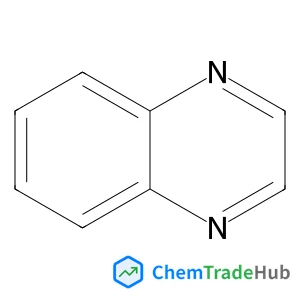
Quinoxaline
CAS Number: 91-19-0
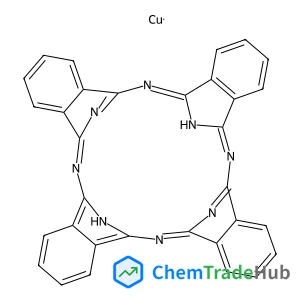
Copper(2+) phthalocyanine-6,30-diide
CAS Number: 147-14-8
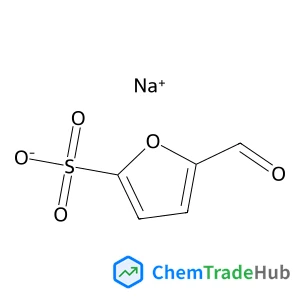
Sodium 5-formyl-2-furansulfonate
CAS Number: 31795-44-5
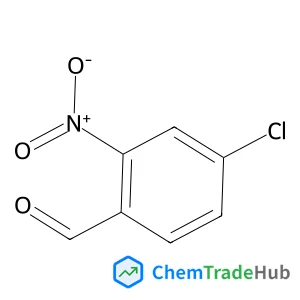
4-Chloro-2-nitrobenzaldehyde
CAS Number: 5551-11-1


1,2-Dimethoxy-3-methylbenzene
CAS Number: 4463-33-6

5-Bromo-2-chloropyridine
CAS Number: 53939-30-3
Other Suppliers for Diphenyliodonium bromide




Basic Information
Molecular Formula
C12H10BrI
Molecular Weight
361.02 g/mol
Physical Properties
Melting Point
222.5-227.5 °C(lit.)
Boiling Point
°Cat760mmHg
Flash Point
°C
Chemical Identifiers
SMILES
C1=CC=C(C=C1)[I+]C2=CC=CC=C2.[Br-]
InChIKey
LGPSGXJFQQZYMS-UHFFFAOYSA-M
Database References
MDL Number
MFCD00031703
Beilstein Registry Number
3918437
FAQ
Diphenyliodonium bromide is a white crystalline solid with a molecular weight of approximately 268.28 g/mol. It is soluble in organic solvents like methanol and acetone but has low solubility in water. Chemically, it is relatively stable but can react with strong reducing agents. It is used in various synthetic organic reactions due to its reactivity with alkynes.
Diphenyliodonium bromide is typically synthesized by the reaction of phenyllithium with iodobenzene in a non-polar solvent like toluene. The reaction yields a mixture of isomers, with the desired product being isolated by recrystallization from an appropriate solvent. This process requires careful control of temperature and solvent to achieve the desired yield and purity.
Diphenyliodonium bromide is used in the pharmaceutical industry for the synthesis of various drug molecules. It is also utilized in the polymer industry for the preparation of functionalized polymers and in the semiconductor industry for the development of novel materials. Additionally, it has applications in sensor technology for detecting specific chemical species.
When handling Diphenyliodonium bromide, it is important to wear chemical splash goggles and appropriate gloves to protect against skin contact. Work should be conducted in a fume hood to minimize inhalation risks. In case of a spill, ensure proper containment and disposal according to local regulations. Always consult a Material Safety Data Sheet (MSDS) for detailed safety information.
Safety Notice
Please verify product specifications and safety data before use. Contact the supplier for detailed safety information.
Always follow proper handling procedures
Contact Information
cdhxsj@163.com
Mobile
13458535857
Telephone
400-1166-196
Fax
028-84555506
Visit Website
https://www.hx-r.com